
Fungal problems have a way of sneaking into a garden quietly. One week the tomato leaves look full and bright, the next they are dotted with pale powder, dark spots, or yellowing edges that spread faster than expected. For many gardeners, this is the frustrating part of growing plants naturally. You want healthy vegetables, herbs, flowers, and fruit, but you also want to avoid harsh chemicals that may disturb the soil, insects, or the wider garden ecosystem.
That is where an organic fungicide for gardens becomes useful. It is not a magic cure for every plant disease, and it works best when paired with good gardening habits, but it can help reduce fungal pressure and protect plants before damage becomes serious. The key is understanding what organic fungicides can do, when to use them, and how to choose the right option for the problem in front of you.
Why Fungal Diseases Appear in Gardens
Fungi are part of the natural world. In fact, many fungi are helpful. They break down organic matter, support soil life, and help plants absorb nutrients. The trouble begins when disease-causing fungi find the right conditions to spread.
Most garden fungal issues are encouraged by moisture, poor airflow, crowded planting, and warm temperatures. Leaves that stay wet overnight are especially vulnerable. This is why problems often appear after rainy weeks, humid weather, or overwatering. A dense patch of squash, roses, cucumbers, or tomatoes may look lush, but if air cannot move through the leaves, disease can settle in.
Common fungal problems include powdery mildew, downy mildew, rust, leaf spot, blight, damping-off, and various root rots. Some remain mostly cosmetic, while others can weaken a plant badly or destroy a crop. Organic control is not about wiping out every spore in the garden. It is about lowering disease pressure so plants can keep growing with less stress.
What Makes a Fungicide Organic
An organic fungicide is generally made from naturally derived ingredients or substances approved for organic gardening. These may include minerals, plant oils, beneficial microbes, or simple household-based solutions used carefully. Organic does not always mean gentle in every situation, though. Some products can still burn leaves if applied too strongly or during hot sun.
The best organic fungicide for gardens is one that matches the disease, the plant, and the stage of infection. Preventive use often works better than trying to rescue a plant that is already heavily infected. Once a fungal disease is deep inside plant tissue, sprays can slow its spread, but they usually cannot reverse damaged leaves. This is why early attention matters.
Neem Oil for Mild Fungal Control
Neem oil is one of the most familiar choices in organic gardening. It comes from the seeds of the neem tree and is often used for both pest and fungal management. In gardens, neem oil may help with powdery mildew, black spot, rust, and some leaf spot issues when applied early and consistently.
Its value comes partly from its ability to coat leaf surfaces and interrupt fungal growth. It is especially popular on roses, vegetables, herbs, and ornamentals. Still, neem oil needs care. Spraying during hot weather or direct sunlight can damage leaves. It is usually better to apply it in the early morning or evening, after testing a small part of the plant first.
Neem oil is not ideal for every situation. If a plant is already severely covered in mildew or blight, neem may only slow things down. But as part of a regular garden care routine, it can be useful and relatively easy to apply.
Copper-Based Fungicides for Tougher Problems
Copper fungicides are among the oldest tools used for plant disease control. They are allowed in many organic gardening systems, though they should be used thoughtfully. Copper can help manage diseases such as early blight, bacterial leaf spot, downy mildew, and some fruit tree diseases.
Because copper remains on leaf surfaces, it works mainly as a protective barrier. That means it is most effective before disease spreads widely. Gardeners often use copper on tomatoes, potatoes, grapes, fruit trees, and cucurbits when conditions are favorable for disease.
The caution with copper is that it can build up in soil over time if used too often. It may also damage tender leaves when applied incorrectly. For a home garden, copper is best treated as a targeted tool rather than a casual weekly spray. Read the label carefully, apply only when needed, and avoid overuse.
Sulfur for Powdery Mildew and Rust
Sulfur is another traditional organic fungicide, especially helpful for powdery mildew, rust, and certain leaf diseases. It works by interfering with fungal development on the plant surface. Many gardeners use sulfur on grapes, roses, fruit trees, and vegetables that are prone to mildew.
Sulfur performs well in dry conditions but needs careful timing. It should not be used in very hot weather because it can burn foliage. It also should not be applied close to oil-based sprays such as neem or horticultural oil, as the combination can harm plants.
When used properly, sulfur can be very effective, especially as a preventive treatment. It is less suited to plants already suffering from heavy disease damage, but for recurring mildew problems, it can make a noticeable difference.
Baking Soda Sprays and Their Limits
Homemade baking soda sprays are often discussed among gardeners. The idea is simple: baking soda changes the surface environment of the leaf, making it less friendly for fungal growth. It is most often used for powdery mildew.
A basic mix usually includes water, a small amount of baking soda, and sometimes a few drops of mild liquid soap to help it spread. Some gardeners also add a light horticultural oil. While this can help in mild cases, it should not be seen as a complete solution. Too much baking soda can damage leaves and may affect soil balance if used repeatedly.
Baking soda sprays are best for light, early fungal issues rather than serious disease outbreaks. They also need reapplication after rain. Used gently, they can be part of a natural garden routine, but they are not a replacement for proper spacing, pruning, and watering habits.
Beneficial Microbes as Living Protection
One of the more interesting developments in organic gardening is the use of biological fungicides. These products contain beneficial bacteria or fungi that compete with harmful pathogens. Common examples include Bacillus subtilis and Trichoderma species.
Rather than acting like a chemical barrier, biological fungicides help create a healthier microbial environment around leaves, roots, or soil. They may be used against powdery mildew, root rot, damping-off, and several soil-borne diseases. For seedlings and raised beds, beneficial microbes can be especially helpful because young plants are often vulnerable to fungal attack.
These products usually work best when used before disease becomes severe. Since they are living organisms, storage and application matter. Heat, sunlight, or old product can reduce their effectiveness. Still, for gardeners who care about soil health, biological fungicides are a smart and increasingly popular option.
Horticultural Oils and Plant-Based Sprays
Horticultural oils, including mineral-based and plant-based oils, can help manage some fungal problems by coating spores and limiting their spread. Plant oils such as rosemary oil, clove oil, thyme oil, and sesame oil are sometimes found in organic garden sprays.
These products can be useful for powdery mildew and some foliar diseases, but they must be handled carefully. Oil sprays can burn plants if applied during heat, drought stress, or strong sunlight. Tender herbs and young seedlings may be more sensitive than mature plants.
Plant-based sprays often appeal to gardeners because they sound mild, but concentration is important. Essential oils in particular can be strong. Always follow directions, avoid mixing too many products, and test before spraying an entire plant.
When to Apply Organic Fungicide
Timing often decides whether an organic fungicide works well or disappoints you. The best time to apply is before fungal disease becomes serious. If your garden gets powdery mildew every summer, for example, start prevention when weather begins to turn humid or when the first faint signs appear.
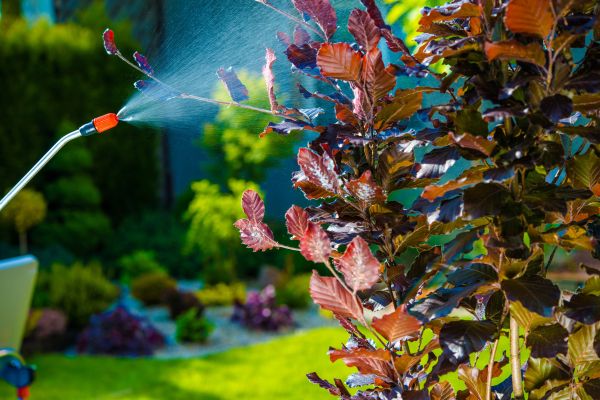
Spray when leaves are dry and when there is no strong sun. Early morning can work if leaves have time to dry during the day. Evening can also work, but in humid climates it may leave foliage damp overnight, which is not ideal. Avoid spraying before rain unless the product label says otherwise, because it may wash off before it has a chance to help.
Coverage matters too. Many fungal diseases begin on lower leaves or hidden inner growth. Spraying only the top visible leaves may not protect the plant properly. A careful, even application is usually better than a heavy one.
Good Garden Habits Make Fungicides Work Better
No organic fungicide can make up for poor growing conditions. If plants are crowded, leaves stay wet, and infected debris is left in the bed, disease will return again and again. The most effective garden care combines treatment with prevention.
Water plants at the base instead of spraying the leaves. Space plants so air can move between them. Prune lower tomato leaves that touch the soil. Remove badly infected foliage rather than letting it sit and spread spores. Rotate crops when possible, especially with tomatoes, potatoes, cucumbers, squash, and beans.
Mulch can also help by reducing soil splash during rain or watering. Many fungal spores reach leaves when soil bounces upward onto lower stems. A clean layer of straw, leaves, compost, or another natural mulch can reduce that risk while also supporting soil moisture.
Choosing the Right Organic Fungicide for Your Garden
The best choice depends on the disease you are facing. For powdery mildew, neem oil, sulfur, biological sprays, and mild baking soda solutions may help. For blight-prone tomatoes or potatoes, copper may be more useful, especially as prevention. For seedlings and soil-related problems, beneficial microbes can be a better fit than foliar sprays.
It also depends on how you garden. Some people prefer simple homemade options for occasional issues. Others want reliable labeled products for recurring disease pressure. Neither approach is wrong. What matters is using the treatment responsibly and understanding its limits.
A good habit is to identify the disease before spraying. Yellow leaves are not always fungal. They can come from nutrient stress, watering problems, pests, heat, or old age. Spraying without knowing the cause can waste time and sometimes stress the plant further.
A Natural Approach to Healthier Plants
Using an organic fungicide for gardens is less about fighting nature and more about bringing the garden back into balance. Fungal diseases are often signs that something in the growing environment needs attention. Maybe the plants need more space. Maybe the soil stays too wet. Maybe the same crop has been planted in the same bed too many seasons in a row.
Organic fungicides can be valuable, especially when used early and carefully. Neem, copper, sulfur, baking soda sprays, horticultural oils, and beneficial microbes each have a place, but none should be treated as a cure-all. The healthiest gardens usually rely on observation first, treatment second, and prevention always.
Conclusion
A thriving garden is not one where problems never appear. It is one where the gardener notices small changes before they become big losses. Fungal diseases may be common, but they do not have to take over the season. With better airflow, careful watering, clean garden beds, and the thoughtful use of organic fungicides, plants have a much better chance to stay strong.
The best organic fungicide for gardens is the one used with patience and understanding. It protects without overreacting, supports plant health without disturbing the whole garden, and fits naturally into a more mindful way of growing. In the end, healthy gardens are built through steady care, not quick fixes, and that is what makes the harvest feel even more rewarding.