
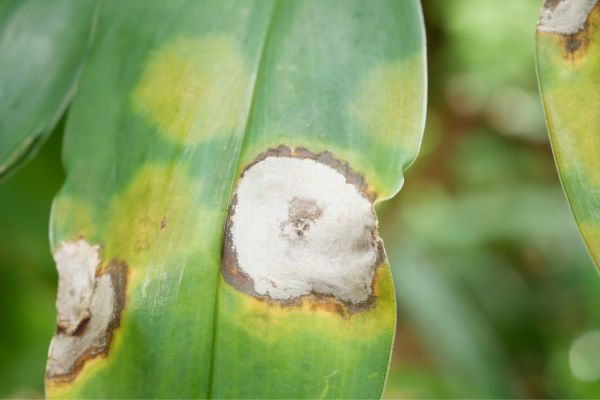
Gardening has a calm, almost forgiving rhythm to it. You water, prune, feed, wait, and slowly watch leaves unfold or flowers open. But every gardener, whether growing vegetables on a balcony or tending a full backyard, eventually meets the quiet troublemaker of the plant world: fungus. It rarely announces itself loudly at first. A pale dusting on leaves, a dark patch near the stem, a few yellowing spots that seem harmless enough. Then, almost suddenly, the plant begins to look tired.
Fungal diseases in plants are among the most common problems gardeners face, and they can affect everything from roses and tomatoes to houseplants, fruit trees, herbs, and ornamentals. The good news is that most fungal issues can be managed when they are noticed early. Even better, many can be prevented with simple habits that make the growing environment less inviting for fungal spores.
Why Fungal Diseases Develop in Plants
Fungi are everywhere in nature. They live in soil, on dead leaves, in compost, on tools, and even in the air as microscopic spores. Not all fungi are harmful. Some are actually useful, helping break down organic matter and supporting healthy soil life. The problem begins when disease-causing fungi find the right conditions to grow on living plants.
Moisture is usually the main trigger. When leaves stay wet for long periods, especially in warm or humid weather, fungal spores can settle, germinate, and spread. Poor air circulation makes things worse because dampness lingers around the plant. Overcrowded beds, heavy shade, overwatering, and wet soil can all create a perfect little shelter for fungal trouble.
Weak plants are also more vulnerable. A plant stressed by poor nutrition, compacted soil, irregular watering, or pests has fewer defenses. In many cases, fungus does not attack the strongest plant first. It moves in where the plant is already struggling a little.
Common Signs of Fungal Trouble
Fungal diseases do not always look the same. Some appear as powdery patches, others as rings, blotches, wilting, rotting, or strange discoloration. This is why gardeners sometimes confuse fungal damage with nutrient deficiency, sunscald, or pest problems.
One of the easiest signs to spot is leaf spotting. Brown, black, yellow, or gray spots may appear across the leaf surface. Sometimes these spots have darker edges or a yellow halo around them. Powdery mildew is another familiar issue, showing up as a white or gray powder on leaves, stems, and buds. It can look almost like flour has been dusted over the plant.
Downy mildew is a little trickier. It often causes yellow patches on the top of leaves, while a fuzzy gray or purplish growth appears underneath. Rust disease creates orange, yellow, or reddish-brown pustules, usually on the underside of leaves. Root rot, meanwhile, hides below the soil until the plant starts wilting, yellowing, or collapsing even though the soil is damp.
When dealing with fungal diseases in plants, early observation matters more than perfect diagnosis. The sooner unhealthy leaves, strange marks, or soft stems are noticed, the easier it is to slow the spread.
Powdery Mildew and Its Familiar White Coating
Powdery mildew is one of the most recognizable fungal diseases. It often appears during warm days and cool nights, especially when air circulation is poor. Unlike many other fungal diseases, it does not need soaking wet leaves to spread. Humidity alone can be enough.
Plants affected by powdery mildew may continue growing for a while, but the disease can weaken them over time. Leaves may curl, yellow, dry out, or drop early. Flower buds may fail to open properly, and vegetables may produce less.
The best way to manage powdery mildew is to improve airflow and remove heavily affected leaves. Plants should not be crowded too tightly, and pruning can help open up the center of dense growth. Watering at the base instead of overhead also helps, even though powdery mildew is less dependent on wet leaves than some other fungal problems.
Leaf Spot, Blight, and the Slow Spread of Damage
Leaf spot diseases are common in gardens and landscapes. They often begin as small marks that gradually expand or multiply. In vegetable gardens, early blight and late blight are particularly concerning, especially for tomatoes and potatoes. These diseases can move quickly under damp conditions and may damage foliage, stems, and fruit.
Blight tends to feel more aggressive than ordinary spotting. Leaves may develop dark patches, stems may show lesions, and whole sections of the plant can decline. In humid weather, the disease may spread from one plant to another faster than expected.
Cleaning up infected plant debris is essential. Fallen leaves can hold fungal spores and keep the disease cycle going. It is better to remove diseased leaves from the garden rather than leaving them to decompose near healthy plants. In serious cases, badly infected plants may need to be pulled out completely to protect nearby growth.
Root Rot and Soil-Borne Fungal Problems
Some fungal diseases begin below the surface, where they are harder to notice. Root rot is usually linked to wet, poorly drained soil. When roots sit in too much moisture, they lose oxygen and become vulnerable to decay-causing fungi. The plant above ground may wilt, even though the soil is wet, which can confuse new gardeners into watering even more.
A plant with root rot may have yellow leaves, slow growth, mushy stems near the soil line, or a sour smell coming from the pot or bed. In containers, roots may look brown, black, soft, or slimy instead of firm and pale.
Prevention is the real cure here. Good drainage, suitable soil, pots with drainage holes, and careful watering habits make a major difference. Once roots are badly rotted, recovery is uncertain. Still, if caught early, the plant can sometimes be saved by trimming damaged roots, repotting into fresh soil, and allowing the root zone to dry slightly between waterings.
How Watering Habits Affect Fungal Disease
Watering seems simple, but it is one of the biggest factors behind fungal problems. Many gardeners water from above, soaking the leaves along with the soil. This may look refreshing, but wet foliage creates easy entry points for fungal spores, especially when watering is done late in the day.
Morning watering is usually better because leaves dry faster as the day warms. Watering at the base of the plant keeps moisture where it is needed most: near the roots. Mulch can also help by reducing soil splash, which is important because fungal spores in soil can bounce onto lower leaves during rain or watering.
There is a balance, of course. Plants should not be kept bone dry out of fear of fungus. The goal is steady, thoughtful watering rather than constant dampness. Soil should be moist when the plant needs it, not soggy for days.
Air Circulation Is Quietly Important
A garden can look lush and full, yet still be unhealthy if plants are packed too closely. Dense planting traps humidity. Leaves rub against each other, sunlight struggles to reach the lower growth, and any fungal disease that appears has an easy path to spread.
Spacing plants properly may feel wasteful at first, especially when seedlings are small. But mature plants need room. Pruning, thinning, and removing weeds all improve airflow. Indoor plants benefit from the same idea. A windowsill crowded with pots may look charming, but if leaves are touching and the air is still, fungal issues can build up quickly.
Good air movement does not mean exposing plants to harsh wind. It simply means allowing leaves and stems to dry naturally and breathe a little.
Natural and Practical Prevention Methods
Preventing fungal diseases in plants is mostly about consistency. Healthy soil, clean tools, proper spacing, and good watering habits form the foundation. Crop rotation is also useful in vegetable gardens because some fungi survive in soil and plant debris from season to season. Growing the same crops in the same spot every year can allow disease pressure to increase.
Garden hygiene matters more than many people think. Old leaves, diseased stems, and rotting fruit should be removed. Tools used on infected plants should be cleaned before being used elsewhere. Composting diseased material can be risky unless the compost pile gets hot enough to kill pathogens, so many gardeners prefer to discard infected material away from the garden.
Choosing resistant plant varieties is another smart step. No plant is completely immune, but some varieties are bred to tolerate common fungal diseases better than others. This is especially useful for tomatoes, cucumbers, roses, and fruit trees.
Treating Fungal Diseases Without Overreacting
When fungus appears, the first response should be calm but quick. Remove infected leaves, improve airflow, avoid overhead watering, and check whether the plant is under stress. Sometimes these steps are enough to slow the disease, especially if it is caught early.
Organic treatments such as neem oil, sulfur, copper-based sprays, or bicarbonate-based solutions are commonly used for certain fungal issues. However, they should be applied carefully and according to label directions. More is not better. Spraying too often or during hot weather can damage leaves.
For severe infections, a suitable fungicide may be needed, particularly in food crops or valuable ornamental plants. Still, fungicides work best as part of a wider approach. They cannot fix poor spacing, soggy soil, or leaves that stay wet night after night. Treatment and prevention have to work together.
Caring for Plants After a Fungal Infection
A plant recovering from fungal disease needs gentle support. Removing too much foliage at once can shock it, so pruning should be careful and gradual when possible. Feeding may help if the plant is actively growing, but heavy fertilizing is not always wise. Too much nitrogen can push soft new growth, which may be more vulnerable to disease.
It is also important to watch new leaves. If fresh growth comes in clean and healthy, the plant may be turning a corner. If symptoms keep spreading, the environment still favors the fungus, or the infection may be more serious than it first appeared.
Patience helps here. Plants do not always bounce back overnight. A tomato plant with blight or a rose with black spot may look rough for a while even after the disease is under control. The aim is not always to make the plant perfect again, but to stop the problem from taking over.
A Healthier Garden Begins Before Disease Appears
The best cure for fungal problems often begins before the first spot appears. A garden with balanced watering, open spacing, clean soil surfaces, and strong plants is naturally harder for disease to invade. That does not mean fungus will never show up. It probably will at some point. Gardens are living places, not controlled laboratories.
But when gardeners understand why fungal diseases in plants develop, they can respond with more confidence. Instead of guessing or panicking, they can adjust the conditions that allowed the disease to spread in the first place.
Conclusion
Fungal diseases are a normal part of plant care, but they do not have to ruin a garden. Most problems begin quietly, encouraged by moisture, poor airflow, weak plant health, or infected debris left behind. With steady observation and practical habits, many fungal infections can be prevented or managed before they become serious.
The real lesson is that plant health is connected to the whole growing environment. Soil, water, spacing, sunlight, and cleanliness all play a role. A gardener who pays attention to these details is not just treating disease; they are building resilience. And that is often the difference between a plant that struggles through the season and one that keeps growing, flowering, and giving back.