
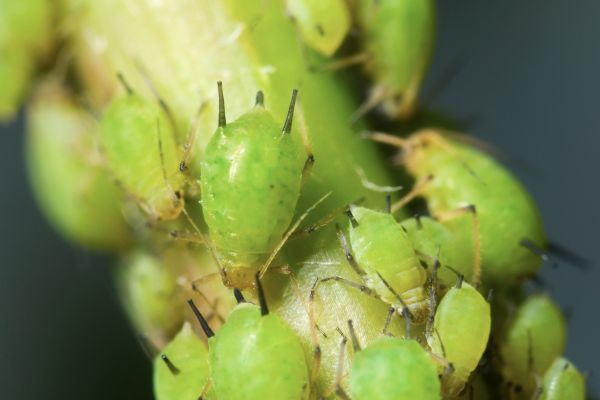
Aphids are tiny, soft-bodied insects, but anyone who has found them gathered under new leaves knows how quickly they can become a real garden problem. They appear almost overnight, clustering on tender stems, flower buds, vegetable shoots, and the underside of leaves. At first, they may look harmless. A few green, black, yellow, or gray specks do not seem like much. Then the leaves begin to curl, the plant looks sticky, and ants start marching up and down the stems. That is usually the moment gardeners realize aphids are not just passing through.
The good news is that aphids are manageable, especially when they are noticed early. Many of the most effective aphid control methods are simple, organic, and safe for home gardens. You do not always need harsh sprays or complicated treatments. In fact, a calm, consistent approach usually works better than panic. Aphids are part of the garden ecosystem, but when their numbers rise too high, a few thoughtful steps can bring plants back into balance.
Understanding Why Aphids Become a Problem
Aphids feed by piercing plant tissue and sucking sap from young growth. They are especially fond of soft, fresh shoots because these parts are easier to feed on and full of nutrients. This is why aphids often show up on roses, beans, peppers, tomatoes, citrus, hibiscus, herbs, and many leafy vegetables.
As they feed, aphids can weaken plants and cause leaves to curl, yellow, or become distorted. They also produce a sticky substance called honeydew. This residue can attract ants and lead to sooty mold, a dark fungal growth that coats leaves and blocks sunlight. In some cases, aphids may also spread plant viruses, which is one reason gardeners prefer to act before an infestation grows too large.
Aphids reproduce quickly. In warm weather, populations can expand fast because many aphids give birth to live young without needing to mate. That sounds alarming, but it also explains why regular observation matters so much. Catching aphids early often means the difference between a quick rinse with water and a much bigger garden cleanup.
Start With Regular Plant Inspection
The simplest aphid control method is also the easiest to overlook: checking plants often. Aphids usually gather on the underside of leaves, around new shoots, near flower buds, and along tender stems. These are the areas worth inspecting every few days during active growing seasons.
A light infestation is much easier to handle than a heavy one. When only a few aphids are present, they can often be wiped away with fingers, removed with a damp cloth, or washed off with water. The earlier they are disturbed, the less chance they have to multiply. This habit is especially useful in spring, when plants are producing soft new growth and aphids are most likely to settle in.
It also helps to notice the signs around the plant. Curled leaves, sticky surfaces, and an unusual number of ants can all point to aphid activity. Ants are particularly important because they may protect aphids in order to feed on honeydew. If ants are constantly climbing a plant, it is worth checking closely for hidden colonies.
Use a Strong Spray of Water
For many garden plants, a firm spray of water is one of the safest and most effective aphid control methods. Aphids have delicate bodies and weak grip. A blast from a hose can knock them off stems and leaves, and many will not make it back onto the plant.
This method works well for roses, shrubs, fruit trees, beans, and sturdy vegetable plants. The key is to spray the undersides of leaves and the growing tips, not just the visible top surfaces. Morning is usually the best time, because plants have the rest of the day to dry. Wet leaves overnight can sometimes encourage fungal issues, especially in humid gardens.
Of course, not every plant can handle a strong spray. Very young seedlings, delicate herbs, and fragile flowers may need a gentler approach. In those cases, a spray bottle or damp cloth may be better. Still, water should usually be the first response before reaching for stronger treatments. It is clean, cheap, and safe for beneficial insects when used carefully.
Prune Heavily Infested Growth
When aphids are packed tightly around a few shoots or buds, pruning can be the fastest way to reduce their numbers. This is especially useful if only one section of the plant is affected. Removing that soft, crowded growth prevents aphids from spreading further and gives the plant a fresh start.
The removed material should not be dropped on the soil near the plant. It is better to seal it in a bag or dispose of it away from the garden. If the plant is otherwise healthy, light pruning rarely causes harm. In fact, it can improve airflow and encourage stronger growth.
This method is particularly helpful on ornamental plants, roses, and shrubs where aphids often gather on new tips. For vegetables, pruning should be done more carefully, since removing too many leaves can reduce the plant’s ability to produce food. The goal is not to strip the plant bare, but to remove the worst areas before the infestation spreads.
Encourage Natural Predators
A healthy garden already has many aphid enemies. Ladybugs, lacewings, hoverfly larvae, parasitic wasps, and even some small birds feed on aphids. Encouraging these natural predators is one of the most balanced aphid control methods because it works with the garden rather than against it.
The best way to attract helpful insects is to grow a variety of flowering plants. Small flowers such as dill, fennel, cilantro, alyssum, yarrow, calendula, and marigold can provide nectar and pollen for beneficial insects. These plants make the garden more inviting to predators that help keep aphids under control.
It is also important to avoid broad-spectrum insecticides, even organic ones, when they are not needed. A spray that kills aphids may also harm ladybugs or lacewing larvae. Sometimes gardeners unknowingly remove the very insects that were solving the problem. When beneficial insects are present, it may be worth waiting a little before spraying. A few aphids can serve as food for predators, and the population may naturally decline.
Try Insecticidal Soap Carefully
Insecticidal soap is a common organic option for aphids. It works by contacting the insect directly and damaging its soft body. Because it does not leave a long-lasting toxic residue, it is considered safer than many conventional pesticides when used properly.
The important word is contact. Insecticidal soap must touch the aphids to work, so spraying only the top of leaves will not do much. The undersides of leaves, stems, and curled areas need attention. It is also wise to test a small area of the plant first, because some plants can be sensitive to soap sprays, especially in hot sun.
Applications are usually best done in the early morning or evening. Spraying during strong sunlight or high heat can damage leaves. It may take more than one treatment, since eggs or missed insects can lead to another small outbreak. Used with care, insecticidal soap can be a helpful middle step when water alone is not enough.
Use Neem Oil as a Gentle Treatment
Neem oil is another organic option often used against aphids. It can affect feeding and reproduction, helping reduce populations over time. Like insecticidal soap, neem oil works best when applied thoroughly and thoughtfully.
Neem should not be treated as a magic cure. It is more effective on light to moderate infestations than on plants completely covered in aphids. It also needs to reach the insects, especially where they hide under leaves and around new growth. Because oils can burn foliage in hot conditions, neem should be applied when temperatures are mild and sunlight is not intense.
One reason many gardeners like neem is that it fits into a broader organic routine. Still, it should be used responsibly. Even organic sprays can affect beneficial insects if sprayed directly on them. Avoid spraying open flowers where pollinators are active, and apply treatments when bees and other helpful insects are less likely to be visiting.
Manage Ants Around Aphid-Infested Plants
Ants and aphids often have a close relationship. Aphids produce honeydew, and ants feed on it. In return, ants may protect aphids from predators. This can make natural control more difficult because ladybugs and lacewing larvae may be chased away.
Managing ants does not always mean trying to eliminate every ant in the garden. Instead, focus on keeping them away from plants with aphid problems. Sticky barriers around tree trunks, better cleanup around pots, and reducing access points can help. For container plants, moving pots or placing them on stands can sometimes interrupt ant trails.
Once ants are less active, natural predators often have a better chance to work. This is one of those small details that can make a surprisingly big difference. Gardeners may treat aphids repeatedly and wonder why they keep returning, while the ants are quietly helping the colony survive.
Avoid Overfeeding With Nitrogen
Plants that receive too much nitrogen often produce lush, tender growth. While that may look beautiful at first, it can also attract aphids. Soft new leaves are exactly what aphids prefer, so over-fertilizing can make plants more vulnerable.
A balanced feeding routine is better than pushing plants to grow too quickly. Compost, slow-release organic fertilizers, and soil improvement can support strong growth without creating excessive soft tissue. Healthy plants are not immune to aphids, but they are often better able to tolerate minor feeding and recover from damage.
This is especially important in vegetable gardens and rose beds, where gardeners may be tempted to fertilize heavily for faster growth or more flowers. Sometimes less is actually better. Strong, steady growth is easier to protect than weak, overly tender growth.
Keep Plants Healthy and Uncrowded
Good garden care helps prevent aphid problems from becoming severe. Plants growing in crowded, stressed, or poorly watered conditions are more likely to struggle when pests appear. Proper spacing improves airflow and makes it easier to inspect leaves. Consistent watering helps plants avoid stress, while healthy soil supports stronger roots.
Removing weeds can also help. Some weeds serve as alternate hosts for aphids, giving them a place to multiply before moving onto garden plants. Cleaning up old plant debris at the end of the season reduces hiding places for pests and disease.
Aphid control is rarely about one single action. It is more like garden hygiene. The cleaner, healthier, and more balanced the growing space is, the easier it becomes to keep pests from taking over.
Know When to Be Patient
Not every aphid sighting requires immediate spraying. A few aphids on a strong plant may not cause serious damage. If ladybugs, hoverflies, or lacewing larvae are nearby, nature may already be handling the issue. In this situation, watching closely for a few days can be better than disturbing the balance too quickly.
However, patience should not turn into neglect. If leaves are curling badly, buds are failing, honeydew is spreading, or the aphid population is growing fast, action is needed. The safest approach is to begin with low-impact methods, such as water sprays and pruning, then move to soap or neem only if necessary.
Good aphid control methods depend on observation. The gardener’s eye is often the best tool. When you know what is normal for your plants, it becomes easier to notice when something is changing.
Conclusion
Aphids may be small, but they can test a gardener’s patience. They gather quietly, reproduce quickly, and leave behind curled leaves, sticky residue, and weakened growth. Even so, they are not impossible to manage. The most reliable aphid control methods are usually the simplest ones: inspect plants often, wash aphids away with water, prune crowded infestations, encourage beneficial insects, and use organic sprays only when needed.
The safest garden is not one without insects at all. It is a garden where problems are noticed early and handled with care. By choosing organic and balanced methods, you protect not only your plants but also the helpful life around them. In the end, aphid control is less about fighting nature and more about guiding the garden back into balance.