
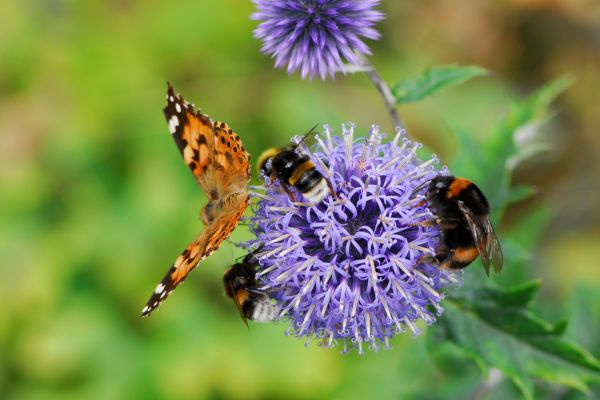
A garden can look beautiful and still feel strangely quiet. Neat borders, clipped hedges, and carefully chosen flowers may please the eye, yet without bees, butterflies, moths, and other visiting insects, something important is missing. Pollinators bring movement to a garden. They turn flowers into fruit, support seed production, and connect one part of the local ecosystem to another.
Choosing the right pollinator garden plants is one of the simplest ways to make an outdoor space more lively and useful. The goal is not to fill every corner with wild growth or abandon all sense of design. A pollinator-friendly garden can be formal, relaxed, modern, cottage-style, or somewhere in between. What matters most is providing flowers, shelter, and food across as much of the year as possible.
Why Pollinator-Friendly Planting Matters
Pollinators play a central role in plant reproduction. As they move from flower to flower in search of nectar and pollen, they carry pollen between blooms. This process helps many plants produce seeds, berries, vegetables, and fruit.
Bees are among the most familiar pollinators, but they are only part of the picture. Butterflies, moths, hoverflies, beetles, and even some birds contribute to pollination in different regions. Each group is attracted to particular flower shapes, scents, colors, and blooming times.
A garden planted with only one or two ornamental species may offer food for a brief period and then become empty of resources. A better approach is to create a sequence of flowering plants from early spring through late autumn. Even a small patio or balcony can support visiting insects when the planting is varied and consistent.
Early Spring Flowers for the First Visitors
Early spring can be a difficult season for pollinators. Temperatures begin to rise, but food sources are still limited. Plants that flower at this time are especially valuable because they support insects emerging after winter.
Crocuses are among the most useful early bloomers. Their low, cup-shaped flowers open in sunny weather and offer accessible pollen. They work well beneath deciduous trees, along pathways, or scattered through lawns.
Hellebores also bloom when much of the garden is still bare. Their nodding flowers last for weeks, and their evergreen or semi-evergreen foliage adds structure after flowering. They prefer partial shade and suit woodland-style borders.
Lungwort is another dependable early plant. Its spotted leaves and clusters of pink, blue, or purple flowers bring color to shady areas. Bumblebees are frequent visitors, especially on mild spring days.
Willow, flowering currant, and early fruit-tree blossoms can also provide important seasonal food. A single flowering shrub may support far more insects than a small patch of annual flowers, simply because it produces so many blooms at once.
Lavender as a Summer Garden Staple
Lavender is one of the most recognizable pollinator garden plants, and its popularity is well deserved. When in full bloom, it often seems covered in bees from morning until evening.
The plant performs best in full sun and well-drained soil. It dislikes standing water, particularly during winter, so heavy soil may need improvement with grit or gravel. Once established, lavender is relatively drought tolerant and does not require rich soil.
Its silver foliage works well in formal borders, gravel gardens, containers, and Mediterranean-style planting. The flowers also have a long season when different varieties are combined.
Lavender should be pruned carefully after flowering to prevent it becoming woody and open in the center. Avoid cutting deeply into old wood, as many plants struggle to regrow from it.
Coneflowers for Long-Lasting Color
Coneflowers, also known as echinacea, bring bold structure to summer borders. Their large central cones are surrounded by petals in shades of pink, purple, white, orange, and yellow.
Bees and butterflies are drawn to the flowers, while birds may feed on the seed heads later in the year. Leaving some faded heads standing through autumn and winter extends the plant’s wildlife value and creates an attractive silhouette in frosty weather.
Coneflowers prefer sunny positions and soil that drains well. They are often slow to establish, but mature clumps can flower for many weeks. Their upright shape combines beautifully with ornamental grasses, salvias, and softer daisy-like flowers.
They also suit a naturalistic garden style. A loose group of coneflowers tends to look more effective than one isolated plant, especially when allowed to mingle with neighboring perennials.
Salvia for Bees and Hummingbirds
Salvias are among the most reliable plants for attracting bees. Their tubular flowers appear along upright stems and come in an enormous range of colors, from deep blue and violet to scarlet, pink, and white.
Some salvias are hardy perennials, while others are grown as annuals or tender plants. Their requirements vary, but most enjoy sunlight and freely draining soil.
The long flowering period is one of their greatest strengths. Regular deadheading can encourage many varieties to continue blooming well into late summer or autumn. In warmer regions, certain types also attract hummingbirds because their flower shape is suited to long beaks.
Salvias bring vertical movement to a planting scheme without taking up too much ground space. This makes them useful in smaller borders and containers where every plant needs to earn its place.
Native Wildflowers and Local Pollinators
Native plants are often particularly valuable because local pollinators have evolved alongside them. Their flowering times, shapes, and growth habits may suit the needs of insects already living in the area.
The best native choices depend on location. Plants that are native in one country or region may behave very differently elsewhere. Local wildflower guides, botanical gardens, and conservation groups can help identify species suited to a particular climate and soil type.
Common examples may include yarrow, bee balm, goldenrod, asters, milkweed, and native clovers. In the right setting, these plants can support specialist insects that do not feed from a wide range of flowers.
Native planting does not require turning the entire garden into a meadow. A small patch, mixed border, or group of native perennials can make a noticeable difference.
Herbs That Flower and Feed Pollinators
Many culinary herbs become excellent pollinator plants when allowed to flower. Gardeners often cut herbs regularly to encourage fresh leaves, but leaving a few stems untouched can provide an unexpected source of nectar.
Thyme produces tiny flowers that attract a surprising number of bees. Oregano and marjoram become busy feeding stations in summer, especially when planted in sunny, dry areas.
Chives send up round purple flower heads that are both decorative and useful. Rosemary can flower early in mild climates, making it valuable when other nectar sources are scarce. Mint is also popular with insects, though it spreads aggressively and is often easier to manage in a container.
Fennel and dill attract smaller pollinators with their flat, open flower heads. These shapes allow hoverflies and other short-tongued insects to feed comfortably.
An herb garden can therefore serve two purposes. It provides fresh ingredients for the kitchen while supporting wildlife just beyond the door.
Late-Season Flowers for Autumn Support
Late summer and autumn are critical periods for pollinators. Some insects are preparing for winter, while others are still completing their life cycles. Gardens that lose all their flowers by August may leave a serious gap.
Asters are among the best late-season choices. Their daisy-like flowers open when many summer perennials are fading. They are especially attractive to bees and butterflies.
Sedum, particularly upright types with broad flower heads, is another dependable option. The blooms begin softly and deepen in color over time, often becoming covered with insects on warm autumn afternoons.
Goldenrod offers masses of yellow flowers and should not be dismissed as merely a roadside plant. Well-chosen garden varieties can be tidy, upright, and highly valuable to pollinators.
Japanese anemones, ivy flowers, and late-blooming salvias can extend the season further. Ivy is sometimes overlooked because it is grown mainly for foliage, yet its autumn flowers provide a rich food source when little else is available.
Flower Shapes, Colors, and Variety
A successful pollinator garden includes more than a long list of attractive species. The structure of the flowers matters too.
Open, flat flowers are easy for hoverflies, beetles, and smaller bees to access. Tubular flowers suit long-tongued bees, butterflies, and hummingbirds. Dense flower heads allow insects to move between many tiny blooms without using much energy.
Color can influence which pollinators visit. Bees often respond strongly to blue, purple, white, and yellow flowers. Butterflies are attracted to a broad range of bright colors, especially when flowers are arranged in visible groups.
Planting several of the same species together makes flowers easier to find. A large patch of lavender or salvia is generally more noticeable than single plants scattered widely across a border.
Creating a Garden That Offers More Than Flowers
Flowers are essential, but pollinators also need shelter, water, and safe places to reproduce. A perfectly tidy garden can sometimes remove the very materials wildlife depends on.
Hollow stems, dry leaves, small patches of bare soil, and old wood may provide nesting or overwintering sites. Leaving some stems standing until spring gives insects time to emerge before the garden is cleared.
A shallow dish of water with stones for landing can help during hot weather. It should be cleaned and refilled regularly to prevent stagnation.
Pesticide use should be kept to a minimum. Even products intended for specific pests can affect beneficial insects when applied to flowering plants. Healthy soil, plant diversity, and natural predators often provide a better long-term balance.
A Garden That Changes with the Seasons
The best pollinator garden plants do not all flower at once. They create a slow, overlapping sequence. Crocuses and hellebores begin the year, herbs and perennials carry the garden through summer, and asters and sedums keep it active into autumn.
This layered approach also makes the garden more interesting for people. There is always something beginning, peaking, or fading into seed. The space feels less staged and more alive.
A pollinator-friendly garden does not need to be large or perfectly planned from the start. A few thoughtful additions can change the atmosphere quickly. One flowering shrub, a pot of herbs, or a patch of late-season asters may become a regular stopping point for local insects.
Over time, these small choices build something larger: a garden that is not only beautiful to look at, but genuinely connected to the living world around it.