
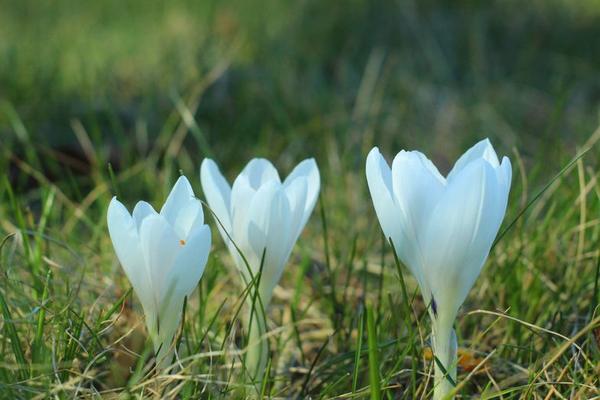
After months of bare soil and quiet borders, the first flash of color can transform a garden. A patch of yellow beneath a tree or purple flowers beside a path signals that the growing season is stirring. The secret is not finding one spectacular plant. It is choosing early spring blooming flowers that take turns appearing.
Combine bulbs that wake up at different times with spring blooming perennials, and a flower bed can offer weeks of interest rather than one short burst. Exact dates depend on climate and weather, so plan around early, middle, and later bloomers instead of a fixed calendar.
Start With the Earliest Flowering Bulbs
Many of the first flowers of spring grow from bulbs or bulb-like storage organs planted in autumn. Their stored energy helps them emerge while most garden plants remain dormant.
Snowdrops and Winter Aconites
Snowdrops produce delicate white bells, often in late winter or very early spring in suitable climates. They are effective beneath deciduous trees, where sunlight reaches the ground before leaves appear. They generally prefer reasonably moist, well-drained soil.
Winter aconites offer a different effect: bright yellow flowers framed by green collars of leaves. They suit woodland-style planting and can form cheerful colonies in favorable conditions. Both look better in groups than as scattered individual plants.
Crocuses
Crocuses are easy early spring flowers to notice because their cups of purple, white, or yellow open close to the ground. Many spring-flowering varieties favor sunshine and well-drained soil. Plant clusters along a path or in short grass that can remain unmown until their foliage fades. Check labels: some crocus species flower in autumn.
Dwarf Irises and Early Daffodils
Short reticulated irises add vivid blue or violet tones to sunny, sharply drained spots. Their small size makes them ideal at the front of a border.
Daffodils help extend the season. Select early-flowering cultivars to follow the first crocuses, then add midseason varieties for continuity. Small daffodils fit containers and narrow beds, while taller types create a stronger impression from a distance.
Scillas and Grape Hyacinths
Scillas contribute starry blue flowers, while grape hyacinths form dense clusters of little bells, typically later than the earliest snowdrops. Their overlapping bloom periods bridge the gap between winter’s first flowers and a fuller spring display. Check local guidance before planting species that spread readily, especially near natural areas.
Add Perennials That Return With the Season
Early flowering bulbs provide the opening act, but spring blooming perennials give the arrangement staying power. Their foliage helps a border look established as neighboring bulbs finish.
Hellebores for Shadier Places
Hellebores can bloom from winter into spring, with nodding flowers in white, rose, green, and deep plum. Many commonly grown hybrids appreciate dappled shade and moist, free-draining soil. Position them where you can see their downward-facing blooms, such as beside steps. Their foliage remains attractive after flowering.
Primroses and Lungwort
Primroses offer clusters of colorful flowers in cool, lightly shaded conditions, although needs vary by species. Lungwort, or Pulmonaria, adds early pink, blue, or violet flowers and often has spotted leaves that stay decorative afterward. Both can soften gaps between bulbs in woodland-inspired beds where soil remains reasonably moist.
Choose plants suited to your winters and summers. A perennial that thrives in a cool region may struggle in intense heat, even if it looks appealing at the garden center.
Build a Bloom Sequence Instead of a Single Show
Think of a spring bed as three overlapping waves. Start with snowdrops, winter aconites, and early crocuses. Follow with dwarf irises, hellebores, and early daffodils. Later daffodils, scillas, and grape hyacinths then keep the color moving. Local climate can shift or overlap these groups.
Imagine a narrow border beside your front path. Plant generous drifts of crocuses near the edge, early daffodils behind them, and two hellebores at the shadier end. Add grape hyacinths in smaller clusters to pick up the color as crocuses fade. You will see a changing display each time you walk past, rather than one brief peak.
Repeat plants in small patches for rhythm, leaving space for perennial growth. A guide to flower bed layouts can help you refine the arrangement.
Get the Planting Conditions Right
Plant Bulbs in Autumn
Most hardy spring-flowering bulbs go into the ground in autumn so they can establish roots before blooming. Planting at roughly two to three times the bulb’s height is a useful starting point, but follow individual species and package directions. Tulips often have different planting timing from other bulbs. In warm-winter regions, some varieties may require chilling or locally adapted alternatives.
Plant healthy bulbs promptly and in groups. One tiny bulb may charm up close, but a cluster is easier to appreciate from indoors.
Match Sunlight and Soil
Crocuses and dwarf irises generally want good drainage and plenty of light. Snowdrops and many hellebores are more comfortable beneath deciduous trees or in partial shade. Waterlogged soil can rot bulbs; a raised bed or container with drainage holes may be better.
Notice where winter sun reaches your garden. A spot shaded by summer foliage may be bright before trees leaf out. Matching plants to this seasonal light pattern often matters more than extra fertilizer.
Care for Flowers After They Fade
Remove spent daffodil flowers if desired, but leave green foliage until it yellows naturally. The leaves replenish energy for next year’s display. Avoid cutting or tying them. Where bulbs grow in grass, delay mowing until foliage dies back.
Water new perennials while they establish, and keep mulch away from their crowns. A spring garden maintenance checklist can help you plan follow-up care.
Frequently Asked Questions
What flowers bloom first in spring?
Snowdrops, winter aconites, and certain crocuses are often among the first flowers of spring in cold-winter gardens. Hellebores may already be blooming. The order depends on variety and local weather.
Can I plant early spring flowers in spring?
Many container-grown hellebores, primroses, and other perennials can go into workable soil in spring. Dormant spring-flowering bulbs are usually best planted the previous autumn. Potted bulbs already in growth can provide immediate color.
Which early spring flowers grow in shade?
Snowdrops, many hellebores, lungwort, and some primroses suit partial or dappled shade. Check individual varieties, since dry shade beneath thirsty tree roots can be difficult.
How can I keep a spring flower bed colorful longer?
Choose early, midseason, and later cultivars. Mix bulbs with perennials and record actual bloom dates each year. Those observations make next autumn’s planting decisions easier.
A More Colorful Start to the Gardening Year
The best early spring blooming flowers do not all arrive together. Snowdrops and crocuses break the winter silence, daffodils carry color forward, and perennials add depth. Start with a few varieties matched to your light and soil, then expand the sequence as you learn how your garden wakes up. Even a modest bed can make early spring feel wonderfully full.