
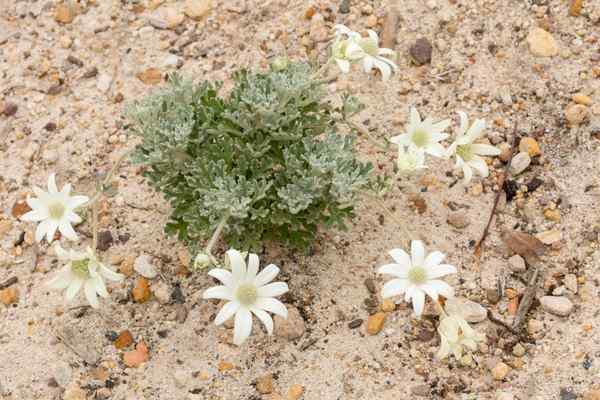
Sandy soil can feel like a mixed blessing. Rain disappears quickly, roots rarely sit in puddles, and spring planting can begin while heavier borders are still muddy. Then summer arrives, and a flower bed that looked promising starts drying out between waterings. The trick is not to treat sand like failed clay. Choose flowers for sandy soil that appreciate drainage, then support their roots through dry spells.
Many suitable plants have silvery, narrow, or fleshy leaves that help limit moisture loss. Others develop strong root systems once established. With the right choices, a free-draining garden can flower from spring through autumn without constant irrigation.
Why sandy beds need a different approach
Sandy soil contains relatively large mineral particles, with spaces that allow water to drain rapidly. Nutrients can also wash beyond the root zone. The advantages are good aeration and less waterlogging, but thirsty plants may wilt sooner than they would in loam.
Observe the site before buying. A sunny, exposed sandy slope differs from a sheltered border. Check soil pH too: sandy describes texture, not acidity. A simple texture check and pH test can prevent poor plant choices. For more help assessing the ground, see our guide to understanding garden soil types.
Flowers that thrive in fast-draining beds
Lavender
Lavender is a natural fit for sunny, lean, free-draining ground, particularly where winter wet is a concern. Its fragrant spikes attract pollinators, and silvery foliage adds year-round structure in suitable climates. Avoid rich fertiliser and persistently damp roots. Choose a species or cultivar hardy enough for your winters.
Yarrow
Yarrow bears flat flower clusters in white, yellow, pink, and red tones. Once established, it tolerates relatively dry, low-fertility conditions. The fernlike foliage contrasts beautifully with broad-leaved plants. Excess nutrients may cause some varieties to flop, so restrained feeding is useful.
Blanket flower
Gaillardia brightens a border with daisy-like flowers in warm red, orange, and yellow shades. These cheerful sandy soil flowers favour full sun and good drainage. Water new plants while their roots establish. Some perennial varieties are short-lived, so do not assume every blanket flower will persist for many years.
Coreopsis
Coreopsis produces generous displays of daisy-like blooms, often golden yellow. Many varieties are well suited to sandy ground, although drought tolerance varies. Give them plenty of sunlight and choose a type suited to your region. Deadheading may encourage repeat blooms on some varieties.
Catmint
Nepeta, or catmint, creates relaxed mounds of aromatic foliage with violet-blue flowers. It is especially effective beside paths and near the front of beds. Established clumps cope with dryness, and a trim after the first flush may encourage more flowers. Their spreading growth also shades the soil surface.
Sea holly
Sea holly, or Eryngium, adds spiky flower heads and distinctive blue or silver tones. Several species prefer lean, sharply drained ground and dislike having established roots disturbed. Its upright form creates contrast beside softer catmint or yellow coreopsis.
Flowering stonecrop
Many Hylotelephium varieties, formerly grouped with Sedum, store water in fleshy leaves and bring rounded flower heads late in the season. These perennials for sandy soil offer welcome colour when earlier flowers fade. Avoid excessive fertiliser, which can encourage weak, floppy stems.
Dianthus
Low-growing pinks and other Dianthus varieties work well along sunny border edges. Their narrow grey-green leaves and often fragrant flowers suit good drainage. Many prefer neutral or alkaline conditions, so test the soil before adding lime rather than assuming all sand needs it.
California poppies
California poppies offer bright seasonal colour and delicate foliage in sunny, lean ground. They may reseed where conditions suit them, although flowering and persistence depend on local temperature and rainfall. Use them to fill gaps while slower-growing perennials establish.
Design a border that stays attractive
Group plants by water needs rather than scattering individual specimens. On a sunny strip beside a gravel path, place sea holly and taller stonecrops toward the back, repeat yarrow and coreopsis through the middle, and soften the edge with catmint or Dianthus. Repeated groups look intentional and leave less bare soil exposed.
Plan for different flowering seasons. Pinks can provide earlier colour, lavender and coreopsis follow, and stonecrop carries interest later. Check mature spacing on labels. Crowded plants lose airflow, while huge gaps give weeds an opening.
Improve sandy soil without making it soggy
Organic matter helps sand retain moisture and nutrients. Before planting, work a moderate amount of well-rotted garden compost through the wider bed. However, flowers adapted to lean conditions, particularly lavender, do not benefit from rich pockets of compost or heavy feeding.
Apply organic mulch after rain or watering, leaving space around stems and crowns. Compost or fine bark can slow evaporation and gradually improve soil structure. Check moisture beneath the mulch during heatwaves. For a detailed preparation method, see our guide to improving sandy garden soil.
Water deeply while roots establish
Even flowers for dry sandy soil need regular attention during their first growing season. Water sufficiently to reach the developing root zone, then check before watering again. The right frequency depends on temperature, rainfall, species, and rooting depth. A quick daily sprinkle may wet only the surface, whereas slow watering at the base reaches deeper roots.
Try pushing a finger or hand trowel several inches below the surface before deciding. Dry-looking sand can hold some moisture below, but exposed beds can also dry surprisingly fast in wind. Drip irrigation can help deliver water efficiently.
Do not automatically compensate with fertiliser. Nutrients leach from sand, yet excess nitrogen can create lush stems with fewer flowers. Let plant growth and, ideally, a soil test guide feeding. For more planting ideas, explore our guide to drought-tolerant flowering perennials.
Mistakes worth avoiding
The biggest mistake is assuming drought-tolerant means no watering from planting day. Tough perennials still need time to establish roots. Another common error is choosing a sun-loving plant for a shaded sandy corner and blaming the soil when flowering declines.
Remember that plants for fast draining soil are not interchangeable. Some favour alkaline conditions, others accept acidity, and winter hardiness varies considerably. Read the full plant label rather than relying on a broad drought-tolerant description.
Frequently asked questions
Which flowers grow best in sandy soil and full sun?
Lavender, yarrow, catmint, coreopsis, sea holly, and many stonecrops are strong candidates. Confirm that the particular variety suits your climate.
Can perennials survive in very dry sand?
Yes, once established, several can tolerate dry conditions. Extremely dry beds may still need compost, mulch, and occasional deep watering during prolonged drought.
Should I fertilise sandy soil before planting?
Not automatically. Compost often helps moisture retention, but use a soil test and plant-specific guidance before adding concentrated fertiliser.
How often should sandy soil flowers be watered?
There is no single schedule. Check moisture beneath the surface and adapt to weather and the plant’s stage of establishment.
Let the soil guide your flower choices
Good drainage is an advantage when you choose plants that appreciate it. Match flowers to sunlight, pH, climate, and available moisture; help young roots establish; and resist overfeeding. Sandy ground can then become a colourful, textured border rather than an endless watering project.