
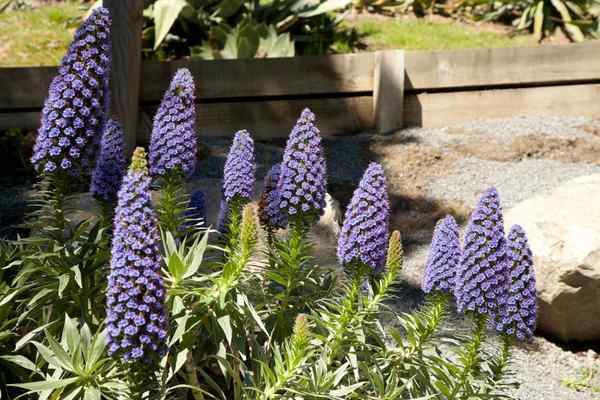
A flower bed can stay colorful through hot, dry weather without demanding daily watering. The trick is choosing drought tolerant flowering plants for conditions in your garden, then giving their roots time to establish. A plant that handles summer drought in sandy soil may struggle in heavy clay that stays wet through winter.
Think of a low-water garden as a collection of compatible plants rather than a list of flowers that supposedly never need water. With the right mix, you can enjoy changing color from spring to fall while reserving extra irrigation for dry spells.
What Makes a Flower Drought Tolerant?
Some plants have narrow, hairy, or silvery leaves that reduce moisture loss. Others store water in fleshy foliage or develop root systems that reach moisture deeper in the soil. These adaptations help established plants cope with dry periods, but they do not make newly planted flowers drought-proof.
Also, surviving drought is different from flowering generously through it. Even drought resistant flowers may pause blooming during extreme heat. If continuous color matters, plan for occasional supplemental water rather than expecting maximum flowers with none.
Flowering Plants Worth Choosing for Dry, Sunny Beds
Lavender for Fragrance and Structure
English lavender brings purple flower spikes and aromatic, gray-green foliage to sunny borders. It thrives in sharply drained soil and dislikes waterlogged roots, especially in cold weather. Once established, in-ground plants often need little additional water. Choose a variety hardy in your climate; not every lavender tolerates the same winter temperatures.
Yarrow for Long-Lasting Color
Yarrow (Achillea) produces broad, flat flower clusters in yellow, pink, red, and soft pastel shades. Its finely divided foliage adds texture even between blooms. Most garden varieties prefer full sun and good drainage. Some spread vigorously or self-seed, so check local guidance and leave room for their mature size.
Blanket Flower for a Warm Palette
Blanket flower (Gaillardia) offers cheerful red, orange, and yellow daisylike blooms that suit a relaxed, sunny border. Give it open space and well-drained soil rather than rich, constantly damp ground. Many selections are short-lived perennials, particularly where winter soil remains wet; they are not guaranteed to return forever.
Salvia for Upright Spikes
Perennial salvias such as Salvia nemorosa create violet-blue or pink flower spikes above tidy foliage. They make useful partners for lower-growing water wise flowers and attract visiting pollinators. In a suitable climate, trimming faded stems after the first flush can encourage another round of blooms. Check the hardiness and water needs of the particular species.
Catmint for a Soft Border Edge
Catmint (Nepeta) forms loose mounds of small lavender-blue blossoms, often flowering for weeks in full sun. Its aromatic leaves and relaxed shape soften paths and paving. Many cultivated varieties tolerate dry conditions once rooted, although an occasional deep watering may improve appearance during prolonged heat. Select compact cultivars for narrow borders.
Stonecrop for Late-Season Interest
Upright stonecrops, often sold as sedum or Hylotelephium, offer succulent foliage followed by clusters of pink or rosy flowers toward late summer or fall. Their fleshy leaves help them cope with dry weather. They are particularly effective where earlier bloomers have faded, but drainage still matters: soggy soil can cause trouble.
Penstemon and Agastache for Regional Variety
Penstemon species can produce tubular flowers in pink, purple, blue, or red, while Agastache offers airy spikes that appeal to pollinators. Many are well suited to dry, sunny landscapes, but requirements vary considerably by species and region. Locally adapted selections are often a better investment than plants chosen from a generic drought-tolerant list.
Choose Plants for Your Soil, Not Just Your Rainfall
Flowers for dry soil are not automatically suitable for every dry location. Sandy ground loses moisture quickly, while compacted clay may stay wet after storms and then bake hard. Match plants to the soil, sun exposure, winter temperatures, and drainage. In regions with cold, wet winters, lavender and blanket flower may fare better on a raised mound or in a drained bed.
If you are redesigning a hot strip beside a driveway, try lavender or salvia toward the back, catmint along the edge, and upright stonecrop for late-season color. Keep plants with similar irrigation needs together. This is more effective than scattering low water flowering plants among thirsty annuals and watering the entire bed equally.
For a related planting project, consider choosing flowers for full sun and improving drainage in garden beds before shopping. Local extension services or native-plant organizations can help you avoid species that behave invasively in your area.
Help New Plants Become Truly Water Wise
Water Through Establishment
Water each plant thoroughly after planting so moisture reaches the root ball and adjacent soil. Monitor the root zone during its first growing season, watering when needed rather than letting young roots repeatedly dry out. Frequency depends on rainfall, soil texture, heat, and plant size. Over time, gradually lengthen intervals as roots spread.
Protect the Soil Surface
A modest layer of mulch can limit evaporation and suppress weeds competing for moisture. Keep mulch away from plant crowns and stems. Organic mulch works well in many mixed borders; gravel can suit certain Mediterranean-style plantings where drainage and local climate allow. Neither mulch type compensates for a bed that stays waterlogged.
Adjust Watering After Establishment
Once plants are rooted, check moisture below the surface before irrigating. When water is needed, soak the root zone rather than giving frequent shallow sprinkles. Containers are an exception: pots dry faster than the ground and can require regular watering even when planted with drought-tolerant species. Follow any local watering restrictions.
Keep Color Going Without Pushing Growth
Use overlapping bloom seasons instead of expecting one perennial to flower continuously. Salvia and catmint can provide early-to-midseason color, yarrow and blanket flower carry summer interest, and upright stonecrop extends the display later. Exact timing shifts with climate and cultivar.
Remove spent flowers where rebloom is likely, but leave some seedheads for wildlife if that suits your garden. Avoid heavy feeding: excessive fertilizer may encourage soft growth that needs more water. A useful companion topic is how to mulch flower beds without covering the crowns.
Frequently Asked Questions
Do drought-tolerant flowering plants need watering?
Yes, especially while establishing. Afterward, many can survive on rainfall in suitable climates, but prolonged drought may reduce flowers or require occasional supplemental water.
Which flowers cope best with very sunny, dry ground?
Lavender, yarrow, blanket flower, certain salvias, and locally adapted penstemons are strong candidates where drainage and winter conditions suit them.
Can I grow drought-resistant flowers in clay soil?
Some can, but clay varies. Improve soil structure where appropriate, avoid compaction, and use raised planting areas for species that cannot tolerate winter wetness.
Will drought-tolerant plants thrive in pots?
They can, provided containers have drainage holes, suitable potting mix, and enough root space. Expect to water more often than you would with the same plants in garden soil.
A Garden That Uses Water Where It Counts
The most resilient flower beds are built around realistic expectations. Choose plants adapted to your region, pair those with similar watering needs, and invest attention in their first season. You will still respond to unusual heat or extended dry spells, but established planting can deliver appealing color with far less routine irrigation.