
A colorful perennial garden does not have to become a second job. The easiest beds are built around plants that tolerate ordinary garden conditions, return reliably, and still look good when you skip a weekend of deadheading. The key is not finding flowers that need “no care,” but matching each perennial to the light, soil, and moisture already present in your yard.
For beginners and busy homeowners, that matters more than collecting a long plant list. A sun-loving perennial in deep shade will always demand extra attention, while a moisture-loving plant in dry soil will need constant watering. Choose plants that fit the site first, then use a few simple habits to keep maintenance low.
What Makes a Perennial Truly Low Maintenance?
Low maintenance perennial flowers tend to be reasonably drought tolerant once established, resist flopping, need infrequent division, and remain attractive without constant pruning. Many hardy perennial flowers also handle winter cold well within their recommended hardiness range, although performance varies by cultivar and local climate.
Before planting, check daily sun, drainage, and mature plant width. Proper spacing reduces crowding and means less dividing later. A two- to three-inch layer of mulch can slow weeds and reduce moisture loss, but keep it slightly away from crowns and stems.
Easy-Care Perennials for Sunny, Drier Beds
Purple Coneflower
Purple coneflower, or Echinacea, is a dependable choice for full sun and well-drained soil. Once established, many varieties tolerate short dry spells and flower through summer with little intervention. Deadheading is optional, and leaving some seed heads provides winter texture and food for seed-eating birds.
Black-Eyed Susan
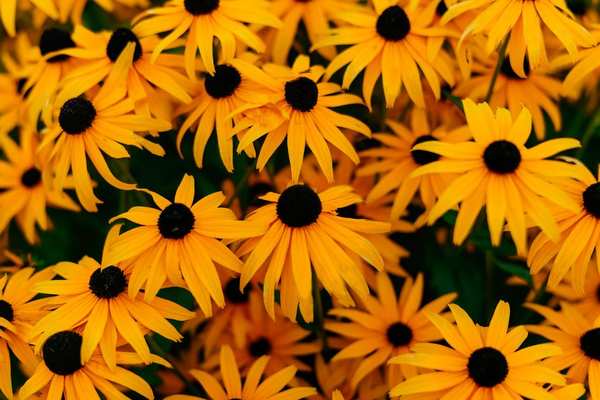
Rudbeckia brings cheerful yellow flowers to informal borders and pollinator beds. It prefers sun and reasonably well-drained soil. Some forms self-seed, so gardeners who want a controlled border can remove spent flowers before seeds mature.
Catmint
Catmint is useful for edging paths or softening the front of a sunny border. Its gray-green foliage and blue-violet flowers pair well with coneflowers and ornamental grasses. Many modern varieties stay compact. A light shear after the first heavy bloom can produce fresher growth, but it is not essential.
Yarrow
Yarrow thrives in sun and generally prefers lean, well-drained soil. Too much fertilizer can make stems soft and floppy, so it often performs better with less feeding. Its flat flower clusters also hold up well during hot, dry periods after establishment.
Upright Sedum
Upright sedums, often sold under Hylotelephium names, are excellent for hot borders. Their fleshy leaves store moisture, and the flower heads remain decorative after bloom. They need good drainage, especially in winter, and stronger light helps keep growth sturdy.
Reliable Flowers for Average Garden Conditions
Daylily
Daylilies are classic beginner perennial flowers because they tolerate a range of soils and recover well from occasional neglect. Individual blooms last only a day, but established clumps produce many buds. Choose named garden cultivars rather than aggressive roadside forms, and divide only when flowering declines or clumps become crowded.
Coreopsis
Coreopsis adds yellow, gold, or bicolored flowers without elaborate care. Many perennial types prefer full sun and moderate to dry conditions once established. Longevity varies by species and cultivar, so choose varieties proven for your climate.
Perennial Salvia
Perennial salvias suit sunny beds with good drainage. Their upright flower spikes add structure and attract pollinators. Removing faded stems often encourages more bloom, but constant grooming is unnecessary. Avoid keeping established plants wet in heavy soil.
Lower-Maintenance Choices for Partial Shade
Hellebore
Hellebores flower when many gardens are still quiet, often in late winter or early spring depending on climate. They prefer partial shade and humus-rich, well-drained soil. Once settled, they can remain in place for years. The main annual task is removing tired old foliage as new growth appears.
Hardy Geranium
Hardy geraniums, or cranesbills, form useful mounds beneath shrubs or along partly shaded borders. Many cultivars spread gradually and bloom for weeks. If foliage becomes untidy after flowering, a light cutback can refresh the plant.
A Practical Low-Maintenance Planting Strategy
Imagine a six-foot-wide sunny bed beside a driveway where summer heat dries the soil quickly. Instead of filling it with thirsty plants, repeat three groups: catmint along the front, coneflowers through the middle, and upright sedum toward the back. Repetition looks intentional, while similar light and drainage needs make watering simpler.
Water newly planted perennials deeply and consistently during their first growing season rather than assuming drought-tolerant plants are instantly drought proof. Once roots are established, reduce supplemental watering according to rainfall and the needs of each species. Good establishment is one of the biggest differences between an easy garden and a struggling one.
If you are building a bed from scratch, garden soil preparation can prevent years of avoidable problems. A simple perennial border design can help you place taller plants behind shorter ones and allow for mature width. Guidance on watering new perennials is also useful in dry climates.
Simple Habits That Keep Perennial Beds Easy
Start with fewer varieties and repeat them in groups instead of buying one of everything. This makes watering, pruning, and dividing more predictable. Skip routine fertilizer unless a soil test or plant symptoms show a need; many easy care perennials become weak or floppy when overfed.
Leave healthy stems and seed heads standing into winter if you like the look, then cut them back before new spring growth. Weed while seedlings are small and replace mulch as it thins. Most importantly, move a plant that repeatedly struggles. A perennial that needs rescue every season is usually in the wrong location.
Frequently Asked Questions
What perennial flowers need the least watering?
Once established, yarrow, upright sedum, catmint, coneflower, and some coreopsis varieties are among the better choices for sunny, well-drained gardens. Even drought-tolerant plants need regular water while their roots develop.
Do low-maintenance perennials need deadheading?
Not always. Deadheading may improve appearance or encourage repeat bloom in some plants, but many low care flowering plants perform well without it. Leaving selected seed heads can also add winter interest.
What are good perennial flowers for beginners?
Daylilies, coneflowers, catmint, hardy geraniums, sedum, and black-eyed Susans are often forgiving choices when matched to the correct light and soil. Check plant labels for hardiness and mature size.
How can I reduce maintenance in an existing perennial bed?
Replace plants that constantly wilt, flop, or struggle with species better suited to the site. Group plants with similar watering needs, mulch bare soil, and avoid overcrowding.
Easy Color Starts With the Right Plant in the Right Place
The best low-maintenance perennial flowers are the ones that naturally suit your garden. Match sun lovers to sun, moisture-sensitive plants to well-drained soil, and shade plants to protected areas. With thoughtful spacing and extra care during establishment, a perennial border can deliver dependable color without constant watering, staking, pruning, or dividing.