
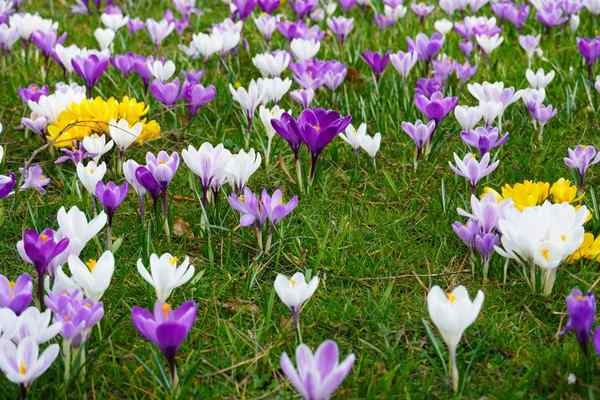
A flower bed can look spectacular in May and strangely empty by August. The problem often isn’t a lack of plants; it’s that too many bloom at once. For lasting color, think of the garden as a relay: early flowers start the show, summer performers carry it, and late bloomers finish strong.
Some flowers that bloom from spring to fall blossom over a remarkably long period, especially in mild climates. Most have a shorter natural season. The reliable strategy combines long season flowers with succession blooming, so one group takes over as another fades.
Choose Plants by Bloom Window, Not Just Flower Color
Divide your growing season into early spring, late spring, summer, and early fall. Aim for at least two dependable bloomers in each window. That overlap matters: unusual weather can shift flowering dates by weeks.
Check expected flowering months for your local climate, not only the label photograph. Also note sun exposure, drainage, mature width, and winter hardiness. A beautiful combination won’t last if its plants need incompatible conditions.
Spring Flowers That Open the Season
Bulbs and Early Perennials
Daffodils and tulips bring welcome color before summer favorites emerge. Pair them with creeping phlox, columbine, or hardy geraniums, depending on your region. Spring bulbs generally bloom for only a few weeks, but they create the first layer of a season-long display.
Plant spring-flowering bulbs in fall where their climate requirements can be met. Tuck them among perennials, whose new leaves help conceal bulb foliage as it yellows. Allow that foliage to die back naturally so the bulbs can replenish their energy.
Bridge the Gap into Early Summer
Catmint is useful for linking late spring with summer. Many varieties carry lavender-blue flowers over an extended stretch, and trimming after their first flush can encourage more bloom. Cool-season pansies or snapdragons can fill early gaps, although they may stop flowering in summer heat.
Long-Flowering Choices for Summer Color
Zinnias and Cosmos
Zinnias earn their place among continuous bloom flowers because healthy plants keep forming colorful blossoms through warm weather. Give them full sun, good air circulation, and well-drained soil. Cut flowers for a vase or remove spent heads. Their season generally ends with a killing frost.
Cosmos contributes airy texture and often blooms from summer into fall. It prefers sun and usually needs little fertilizer; excessive feeding can encourage leaves instead of flowers. Position tall cultivars behind sturdier plants or choose compact types.
Coreopsis and Salvias
Coreopsis brings sunny yellow or golden tones to perennial borders. Many varieties bloom for weeks in summer, and some respond to shearing with fresh flowers later. Don’t assume every cultivar blooms until frost: ‘Moonbeam’, for example, is commonly listed with a primary summer bloom period.
Garden salvias offer blue, purple, pink, and red flower spikes. Some perennial types rebloom after their first flush is cut back, while certain shrubby salvias flower into autumn in suitable climates. Choose a type hardy in your area and provide sunny, well-drained conditions.
Marigolds and Lantana
Marigolds are cheerful annuals for sunny beds and containers, with many varieties flowering through summer and into fall. Lantana can be another long-lasting choice in hot settings, but it is frost-sensitive and invasive in some regions. Check local guidance before planting it near natural areas.
Late-Season Flowers That Keep the Bed Alive
Even excellent summer bloomers can tire by September. Fall-flowering asters, particularly suitable native species, provide fresh purple, pink, or blue flowers when other plants slow down. Goldenrod adds golden plumes, while upright sedums offer late flower clusters and attractive seed heads.
Black-eyed Susans and coneflowers are valuable summer-to-fall bridge plants, though exact flowering periods vary by species. Leaving some mature seed heads can feed birds, while removing others may encourage flowers. These plants work well beside annuals that bloom until frost.
Build a Flower Bed With Overlapping Color
Imagine a sunny border roughly 3 feet deep and 10 feet long. Put compact catmint near the front for late-spring color. Behind it, group three coreopsis plants and several coneflowers for summer. Add pockets of zinnias after frost danger passes, then reserve back corners for fall asters suited to your region.
No single flower must perform for six months. Catmint starts early; coreopsis, coneflowers, and zinnias take over; asters carry the final stretch. Repeat one or two colors across these groups, such as purple with warm yellow, so the border feels connected as flowers change.
A guide to flower bed design can help with spacing, repetition, and height. For a smaller patio, the same principle works in containers: replace finished cool-season annuals with summer varieties rather than expecting every pot to flower indefinitely.
Use Succession Blooming to Avoid Bare Weeks
Succession blooming can mean combining plants that flower at different times or sowing the same annual in batches. For zinnias, a second sowing a few weeks after the first may provide younger plants when the original planting tires, provided your frost-free season is long enough.
Keep a calendar with each plant’s actual first and last bloom dates. After one season, you’ll see where quiet weeks occur. Fill those gaps next year. A seasonal planting calendar helps because advertised flowering dates are only estimates.
Care That Helps Flowers Last Longer
Regular care supports flowers for season long color, but pruning cannot override a plant’s natural bloom cycle. Focus on each species’ needs rather than applying one routine to the entire bed.
Water deeply when needed, especially while plants establish, and avoid constantly soggy roots. Mulch helps moderate moisture and temperature. Deadhead zinnias and marigolds, but remember that some perennial seeds feed wildlife. Trim catmint or suitable salvias after their first flush when recommended for that variety.
Don’t overfertilize. Too much nitrogen often produces leaves at the expense of flowers. Watch spacing, too: crowded foliage stays damp longer, increasing disease risk. A guide to deadheading flowers can help you decide what to trim and what to leave.
Frequently Asked Questions
Is there one perennial that blooms from spring through fall?
Few perennials flower without interruption for that entire span in every climate. Some hardy geraniums, catmints, and salvias have long seasons or repeat flushes, but combining species is more dependable.
Which annuals give the longest display?
Zinnias, marigolds, cosmos, and some salvias are strong summer-to-fall choices. Their flowering dates depend on sowing time, temperature, moisture, and frost.
Can a partly shaded garden have continuous color?
Yes, but choose shade-tolerant plants instead of sun-loving zinnias. Spring bulbs, suitable hardy geraniums, begonias, and regionally appropriate late bloomers can provide successive displays.
Should I deadhead every flower?
No. Many annuals benefit, and some perennials may rebloom, but seed heads support birds and winter interest. Decide plant by plant.
A Garden That Changes Without Going Quiet
The secret to flowers that bloom from spring to fall is not finding one magical plant. It’s planning a handoff between bloomers, making room for summer annuals, and including a reliable late-season finish. Track flowering dates in your own yard and adjust one gap at a time; continuous garden color becomes much easier to achieve.