
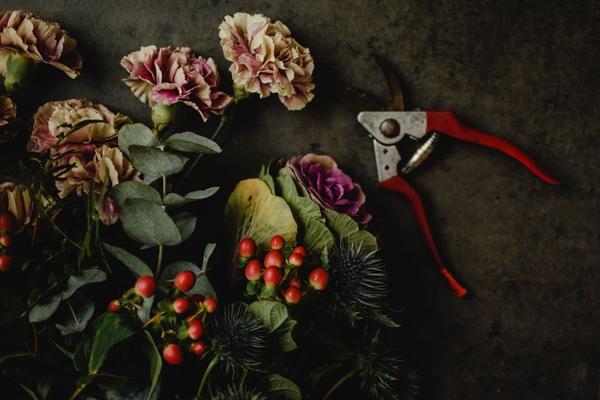
Even a well-planted flower border can look tired halfway through summer. Often, the answer is a little timely maintenance rather than another trip to the garden center. Deadheading flowers for more blooms means removing faded blossoms before they develop mature seeds. Many annuals and repeat-flowering perennials respond by producing fresh buds, but knowing where to cut matters as much as knowing when.
Why Removing Spent Blooms Can Help
Flowers help plants reproduce. Once they begin forming seeds, some plants redirect resources away from additional flowers. Removing spent blooms can interrupt that process and encourage more flowers. It also keeps beds and pots looking tidy, especially after rain leaves old petals clinging to foliage.
Deadheading cannot make every plant rebloom. A spring-flowering peony usually has one main display regardless of what you remove. Plants struggling with drought, poor light, or heat may also need better growing conditions before they can produce more flowers.
How to Deadhead Flowers Correctly
Look below the faded flower
Follow the spent bloom’s stalk downward to the next healthy leaf pair, visible bud, or side shoot. On many flowers, make a clean cut just above that point. Taking away the flower and its small stalk is usually more effective than picking off petals and leaving the seed-forming base attached.
Soft stems can be pinched between finger and thumb. Tougher stalks need sharp, clean scissors or pruners. Avoid crushing stems, and check for unopened buds before cutting. When several flowers share one branch, remove only the faded blossoms until the remaining buds have opened.
Use the right cut for each flower shape
For zinnias and cosmos, cut the old flower stem back to a leaf junction or side branch. With daisy-like flowers carried on long stalks, trace each finished stalk down into the foliage to avoid leaving unattractive stubs. When a lupine flower spike has completely faded, remove it above healthy lower growth; some varieties may provide a smaller second flush.
Repeat-flowering roses can benefit when spent blooms or clusters are removed above a suitable leaf. However, leave late-season flowers on roses grown for ornamental hips, since those flowers must develop fruit.
Flowers That Respond Well to Deadheading
Annuals and patio containers
Marigolds, cosmos, zinnias, and many bedding plants often respond well to frequent deadheading. Dahlias deserve particular attention. Follow the thin stalk of each spent bloom down to a suitable junction. Learn to distinguish an aging flower head from a firm, unopened bud before making the cut.
Petunias are less straightforward. Many newer cultivars are self-cleaning and drop finished blooms naturally. Others benefit from removal of fading flowers and their seed structures. If the whole plant looks stretched and sparse, light trimming, adequate sunlight, and steady moisture may help more than pinching individual flowers.
Picture a pot planted with marigolds and trailing petunias. Twice a week, remove the marigolds’ brown heads, then check the petunias for spent blooms. Leave all developing buds untouched. That small routine can keep the display presentable without accidentally removing next week’s flowers.
Perennials and plants with flower spikes
Coreopsis, catmint, some salvias, and certain hardy geraniums may produce another flush after flowering. When most blossoms have finished together, an appropriate light cutback may stimulate fresh foliage and additional flowers. Results depend on the species, cultivar, climate, and remaining season.
Other plants benefit mainly from a tidier appearance. Deadheading peonies and many irises generally does not produce another display that year. Remove finished blooms from daffodils or tulips if desired, but leave their green leaves until they yellow naturally. Bulbs need that foliage to restore energy for next spring.
When to Deadhead and How Often
Start as flowers fade, before seed capsules mature. During peak summer, check heavily flowering containers every few days. Larger borders may need only a weekly inspection. A missed week is rarely a disaster; aim for consistent, gentle attention rather than drastic pruning.
Choose a time when buds are easy to identify. Avoid severe cutbacks on plants suffering from drought or extreme heat. If flowering has stalled, assess watering, sunlight, nutrition, and the plant’s normal bloom cycle. For containers, proper watering and choosing long-blooming annuals work alongside deadheading rather than being replaced by it.
When Not to Remove Finished Flowers
Some seedheads are more valuable left standing. Coneflowers, black-eyed Susans, and sunflowers can provide seeds for birds. Dried heads also bring texture to winter borders. Leave selected flowers if you want to collect seed or allow desirable plants to self-sow.
A practical compromise is to remove faded blooms during the main flowering season, then leave some late flowers as autumn approaches. The timing depends on local weather and the plant. Remove diseased growth rather than preserving it, and limit seed production on plants that spread too freely.
Take extra care with hydrangeas. Many traditional mophead varieties develop next year’s buds on older stems, so cutting indiscriminately can sacrifice future flowers. In colder areas, leaving dried flowerheads through winter may protect buds beneath them. Always consider the variety before pruning.
Flower Pruning Tips to Avoid Mistakes
Do not remove petals while leaving a swelling seed capsule behind. Equally, avoid cutting below promising buds simply to make a plant look neat. Inspect branching points, keep pruners clean, and resist heavy shearing when plants are weak or dry. Some self-cleaning varieties require little help at all.
Frequently Asked Questions
Does deadheading guarantee a second bloom?
No. It often encourages repeat-flowering plants, but single-flush flowers may not rebloom. Weather and plant health also influence the result.
Should I deadhead every day?
Not usually. Check busy summer containers every few days and perennial borders roughly weekly. Remove fading blossoms as you notice them.
Can I remove old flowers with my fingers?
Yes, if the stem pinches off cleanly. Use sharp, clean pruners for woody, thick, or stringy stems to prevent tearing.
Should I stop deadheading in autumn?
Leave some healthy seedheads for birds, seed collection, or winter interest. Continue removing diseased material and any seeds you do not want spreading.
Keep the Right Blooms, Remove the Rest
Good deadheading is selective. Take finished flowers from reliable repeat-bloomers, protect new buds, and let useful seedheads mature when the season changes. These simple choices extend many floral displays without turning gardening into a daily chore.