
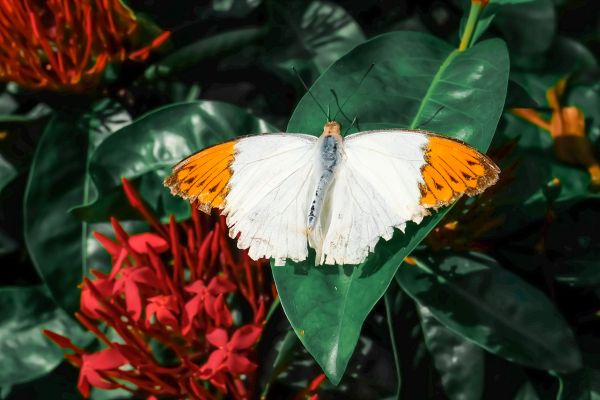
A Garden That Feels Alive
A garden can be beautiful without feeling alive. It may have trimmed borders, neat paving, glossy pots, and tidy beds, yet somehow still feel a little quiet. A wildlife friendly garden is different. It has movement in it. Bees drift between flowers. Birds pause on branches. Butterflies appear on warm afternoons, and if you are lucky, you may notice the small nighttime visitors that arrive after the day has cooled.
The good news is that creating this kind of space does not mean letting everything become wild or messy. It is more about making thoughtful choices. The best wildlife friendly garden tips are usually simple ones: grow more plants, offer shelter, avoid harsh chemicals, and make room for nature’s small habits. Once those pieces come together, the garden begins to work like a living system rather than just an outdoor room.
Start With Plants That Offer Real Food
The heart of a wildlife friendly garden is planting. Flowers, shrubs, trees, grasses, and climbers all play a part, but the most useful plants are the ones that offer nectar, pollen, seeds, berries, or leaves for insects and birds.
Native plants are often a strong place to begin because local wildlife has evolved alongside them. Native flowers tend to support native bees and butterflies better than highly modified ornamental varieties. That does not mean every plant in the garden must be native, but it helps to give local species a solid foundation.
Think about planting for different seasons too. Early spring flowers help pollinators when food is still scarce. Summer blooms keep bees and butterflies active. Autumn berries feed birds as the weather changes, while seed heads left standing through winter can provide both food and shelter. A garden that offers something throughout the year will always attract more life than one that shines for only a few weeks.
Let Flowers Bloom in Layers
Wildlife likes variety. A flat garden with one type of plant does not offer much, but a layered garden creates more places to feed, hide, rest, and nest. This is where structure becomes just as important as color.
Low-growing flowers attract ground-level insects. Taller perennials give bees and butterflies more feeding points. Shrubs provide cover for birds. Trees, even small ornamental or fruit trees, bring height, shade, insects, and nesting opportunities. Climbers on fences or walls can soften hard edges and create protected spaces for small creatures.
Layering also makes the garden feel richer to the human eye. Instead of a single line of bedding plants, the space begins to have depth. It looks softer, more settled, and more natural. There is a quiet charm in a garden where plants overlap slightly and each height seems to lead into the next.
Add Water in a Simple, Safe Way
Water is one of the quickest ways to make a garden more welcoming to wildlife. Birds need it for drinking and bathing. Bees and butterflies need shallow access. Small mammals and insects benefit from it too, especially during dry spells.
A wildlife pond is wonderful if space allows, but even a shallow dish can help. The important thing is safety. Water should have stones, pebbles, or sloped edges so insects can land and climb out. Deep, smooth-sided containers can trap small creatures, so they need escape routes.
Place water where birds can see approaching danger, but not so exposed that they feel unsafe. Refresh it regularly, especially in warm weather. Over time, you may notice how quickly wildlife learns where water is available. A birdbath that looked decorative one week can become a daily stopping point the next.
Keep Some Corners Slightly Untidy
A wildlife friendly garden does not need to look abandoned, but it should not be too perfect either. Many creatures depend on the kinds of spaces that overly tidy gardening removes. A pile of leaves, a stack of logs, hollow stems, long grass, and quiet corners can all become shelter.
Dead wood supports beetles, fungi, and many tiny organisms that feed the wider garden ecosystem. Fallen leaves protect insects and enrich the soil as they break down. Stems left standing through winter may hold overwintering insects. Long grass can shelter small creatures and provide seed for birds.
If you like a neat garden, choose one or two hidden areas for this softer approach. Behind a shed, beneath a hedge, or at the back of a border can work well. The garden can still feel cared for while giving wildlife the rougher textures it needs.
Avoid Chemicals Where Possible
One of the most important wildlife friendly garden tips is also one of the easiest to overlook: reduce or avoid chemical pesticides and herbicides. These products may solve one visible problem, but they often affect far more than the target pest. Insects that seem troublesome may also be food for birds, frogs, and other beneficial wildlife.
A healthier approach is to build balance. Encourage ladybirds, lacewings, birds, and hoverflies by offering plants, water, and shelter. Accept that some leaves will be nibbled. A garden with wildlife will never look untouched, and that is part of its character.
Healthy soil also makes plants stronger. Compost, mulch, and organic matter support the underground life that helps plants grow well. When plants are less stressed, they are often better able to cope with pests and weather changes.
Choose Flowers With Open Shapes
Some flowers look impressive but offer very little to pollinators. Highly doubled blooms, where petals are packed tightly together, can make it difficult for bees and butterflies to reach nectar and pollen. Open, simple flower shapes are usually more useful.
Daisies, single roses, lavender, foxgloves, cosmos, herbs in flower, and many wildflowers are good examples of blooms that invite visitors in. Herbs are especially helpful because they serve the kitchen and the garden at the same time. Letting thyme, mint, oregano, chives, or basil flower can bring pollinators in surprising numbers.
Color matters less than access, though different insects are drawn to different tones and scents. A mix of flower shapes and sizes gives the widest range of wildlife a reason to visit.
Make Fences and Boundaries More Welcoming
Boundaries can either block wildlife or guide it through. Solid fencing may be useful for privacy, but small gaps at ground level can allow hedgehogs and other small animals to move between gardens. In many neighborhoods, connected gardens are far more valuable than isolated ones.
Hedges are especially useful because they provide food, cover, nesting places, and travel routes. A mixed hedge with flowering and berrying plants can support wildlife for much of the year. If a full hedge is not possible, climbers on fences can still soften the boundary and create habitat.
Try to see the garden not as a sealed box but as part of a larger patchwork. Wildlife rarely respects property lines. It moves through spaces, and every garden can become one helpful stop along the way.
Feed Birds Thoughtfully
Bird feeders can bring life and sound into a garden, but they work best when used thoughtfully. Clean feeders regularly to reduce disease. Place them somewhere birds can retreat quickly if they feel threatened. Natural food sources, such as berries, seeds, and insects, should remain the main goal, with feeders acting as support.
Different birds prefer different foods, so variety helps. Still, planting is the deeper solution. A garden rich in insects will naturally attract birds, especially during nesting season when chicks need protein-rich food. Berrying shrubs and seed-producing plants continue the support later in the year.
Watching birds arrive is one of the quiet rewards of this style of gardening. Their presence is a sign that the space is beginning to function well.
Be Patient With the Process
Wildlife gardening is not instant. A new flower bed may attract bees quickly, but the fuller ecosystem takes time. Soil improves gradually. Birds learn the space. Insects discover shelter. Plants mature and begin to produce more flowers, seeds, and fruit.
There may also be seasons when the garden feels uneven. Some plants will thrive, others may struggle. You may change your mind about where water should go, or which flowers work best in your climate. That is normal. A wildlife friendly garden is not a fixed design; it is a relationship with a living place.
The most satisfying moments often arrive quietly. A butterfly landing on a flower you planted months ago. A bird bathing in a shallow dish. A bee disappearing into a bloom while the rest of the garden hums in the sun. These small signs are easy to miss, but they are the real measure of success.
Conclusion
A wildlife friendly garden begins with a simple shift in perspective. Instead of asking only how the garden looks, you start asking what it offers. Food, water, shelter, safe passage, healthy soil, and seasonal variety all matter. None of these changes need to be grand or expensive. A few open flowers, a shallow water dish, a leaf pile, or a patch of longer grass can make a real difference.
The best wildlife friendly garden tips are rooted in patience and attention. When you give nature a little room, it often responds more generously than expected. The garden becomes less controlled, perhaps, but more interesting. More textured. More alive. And in the end, that is the kind of beauty that keeps changing every time you step outside.