
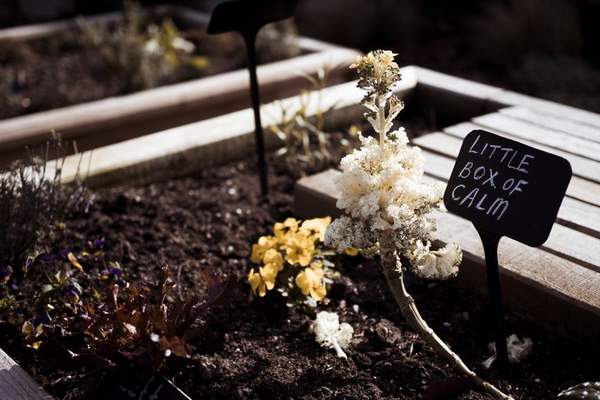
Spring is when raised-bed plans move from a saved idea to a weekend project. Building the frame before planting season gives the soil time to settle and lets you start vegetables as soon as local conditions allow. A well-designed bed also makes watering, weeding, and harvesting easier.
This guide uses a practical 4-by-8-foot wooden frame about 12 inches deep. Those raised bed dimensions provide 32 square feet of growing space while keeping the centre reachable from either side. You can shorten the bed to fit a small garden, but avoid making it so wide that you must lean or step inside it.
Choose the Best Location
Place the bed where vegetables will receive at least six hours of direct sunlight, with more sun preferred for tomatoes, peppers, cucumbers, and courgettes. Watch the site for a day if you are unsure how shadows from fences, buildings, or trees move across it.
Choose level or gently sloping ground near a water source. Leave enough room to kneel and use a wheelbarrow; a 24- to 36-inch pathway suits most gardens. Avoid low spots where water remains after rain.
Decide on the Right Raised Bed Dimensions
A width of 3 to 4 feet works well when the bed is accessible from both sides. If it will sit against a wall or fence, limit the width to about 2 feet so every plant is reachable. Length is flexible, although 6 or 8 feet is convenient because standard lumber sizes require fewer cuts.
A 10- to 12-inch frame suits many greens, herbs, beans, and peppers when placed over healthy soil. Deeper beds are useful over paving, poor ground, or contaminated soil. Every extra inch increases the cost of filling the bed.
Select Raised Garden Bed Materials
Wood for the Frame
Cedar, redwood, larch, and other naturally rot-resistant woods last longer but cost more. Untreated pine or fir is practical for a cheap raised bed, although it may need replacement sooner. Boards roughly 2 inches thick resist bowing.
Avoid railroad ties and reclaimed wood of unknown origin, which may contain unsuitable preservatives or industrial residues. Modern residential pressure-treated lumber differs from older arsenic-treated products, but untreated or naturally durable wood remains the simplest choice. Confirm that any treated product is intended for residential outdoor use.
Fasteners and Bottom Layer
Use corrosion-resistant exterior screws. Corner posts strengthen the joints, while a central brace can stop the long sides of an 8-foot bed spreading under soil pressure.
A bottom liner is optional. Over lawn, overlapping plain cardboard is one of the most useful cheap raised bed ideas because it suppresses grass and breaks down over time. Do not install solid plastic across the base; trapped water can damage roots.
Tools and Cutting Plan
For a 4-by-8-foot DIY raised bed, gather two 8-foot boards, two 4-foot boards, four corner posts, exterior screws, a drill, a saw if needed, a tape measure, a square, a level, and gloves. Ask the supplier to cut the timber if you lack a suitable saw.
Pre-drilling near board ends reduces splitting. Before assembly, place every piece on the ground and check the rectangle. Measure both diagonals; when the measurements match, the frame is square.
How to Build a Raised Garden Bed Step by Step
Prepare and Mark the Site
Mark a 4-by-8-foot rectangle with stakes and string. Remove large stones and cut back vegetation. If the site slopes, scrape soil from the high side rather than building a loose mound under the low side. The frame needs firm support along its perimeter.
Assemble the Frame
Stand one long board and one short board against a corner post with their top edges flush. Drive two or three screws through each board into the post. Repeat at the remaining corners, checking for square, then fit the central brace.
Level and Secure It
Set the frame on the marked area and place a level on every side. Remove small amounts of soil beneath high points until the frame sits without rocking. As a practical check, walk around the empty frame and press each corner with your foot; movement now will become more obvious after watering and settling.
Fill the Bed
Calculate the volume before ordering soil. A 4-by-8-foot bed filled to 12 inches requires about 32 cubic feet, or roughly 1.2 cubic yards. Keep the final level an inch or two below the top edge so water and mulch stay inside.
Use a balanced raised-bed mix rather than pure compost or heavy garden soil. Combine screened topsoil, mature compost, and a lighter component available locally. Moisten the mix as you fill, then rake it level without packing it tightly.
Set Up the Bed for Vegetables
Install a drip line or soaker hose before planting. Watering at soil level is efficient and easier to arrange while the bed is empty. After planting, add a thin layer of clean organic mulch, keeping it away from seedling stems.
Keep permanent paths outside the frame and never stand in the bed. This protects the loose soil from compaction. Natural internal-link topics for this section include vegetable garden layout ideas, how to improve garden soil, and container gardening for vegetables.
Common Mistakes to Avoid
The most common mistake is making the bed too wide to reach. Other problems include partial shade, weak indoor screws, dense soil, and underestimating fill volume. Gravel at the bottom is usually unnecessary and does not fix poor drainage beneath the site.
Fresh soil settles after watering. Fill the bed near the intended level, water it thoroughly, wait a day or two, and top it up before planting. In later seasons, add compost according to soil condition and crop needs rather than replacing the entire mix.
Frequently Asked Questions
What is the cheapest way to build a raised garden bed?
Use locally available untreated construction lumber, buy standard lengths to reduce cutting, and choose a modest depth. A simple frame over existing soil costs less to fill than a very deep bed, while plain cardboard can suppress grass without a synthetic liner.
How deep should a raised bed be for vegetables?
About 10 to 12 inches works for many vegetables when the bed sits over usable soil. Choose greater depth over paving, compacted ground, or contaminated soil, and for crops that need more root room.
Should I line the bottom?
A permeable barrier may help over persistent grass, contaminated soil, or burrowing-pest areas. Over ordinary garden ground, lining is not always necessary. Avoid solid plastic because the bed must drain freely.
Can I put a raised bed directly on grass?
Yes. Mow the grass short, remove tough perennial weeds, overlap plain cardboard, place the frame, and add the soil mix. The cardboard helps smother the lawn and breaks down over time.
A Strong Bed Starts with Simple Decisions
The best raised garden bed is sized for your reach, built from suitable materials, placed in reliable sunlight, and filled with soil that drains while holding moisture. Square and level the frame, calculate the fill volume, and arrange watering before planting. Those steps turn a weekend build into a productive bed for many seasons.