
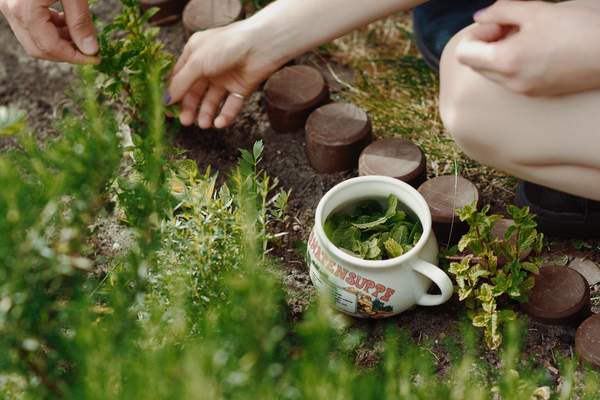
A handful of basil for pasta or a few mint sprigs for tea should not cost you the rest of the harvest. The secret to learning how to harvest herbs is treating each cut as a small pruning decision. Take the leaves you need while leaving the plant enough healthy growth to produce the next batch.
Different herbs respond differently. Basil branches where you cut it, parsley sends up fresh stalks from its centre, and rosemary needs its woody framework protected. Once you recognise those habits, harvesting fresh herbs becomes a routine that helps the garden and the kitchen at the same time.
When to Harvest Herbs for the Best Flavour
Start picking once a plant is established and growing vigorously, not when a seedling has only a few leaves. Look for firm stems, healthy foliage and signs of new growth. A recently transplanted or drought-stressed herb is better left to recover before a substantial harvest.
For most leafy culinary herbs, the ideal picking window is mid-morning, after dew has dried but before the strongest heat. Leaves are less likely to be wet or wilted, and their aroma is often at its best. You can still pick a sprig at dinner time; simply avoid harvesting large amounts from plants struggling in midday heat.
Many herbs have excellent leaf flavour before they flower. If leaves are your priority, remove developing flower tips on basil and mint to encourage more leafy growth. Coriander, also called cilantro, and dill naturally run to seed, particularly in warm weather, so plan regular sowings rather than expecting one plant to supply leaves forever.
How to Make a Cut That Encourages Regrowth
Find the leaf joint before cutting
On branching herbs such as basil and mint, follow a stem downward until you see a pair of leaves emerging from the same point. Snip the stem just above that joint. Buds beside those leaves can then develop into side shoots, making the plant fuller instead of leaving a long, leafless stalk.
Use sharp, clean scissors or small pruners. A clean cut heals more neatly than tearing a stem by hand. Support a delicate shoot with your free hand, and do not crush neighbouring stems while reaching into a crowded pot.
Harvest the right part, not just the biggest leaf
If you repeatedly strip the largest leaves from the bottom of basil, you may leave bare stems without creating the branching effect you wanted. Cut a growing tip above a healthy leaf pair instead. For herbs with leaves rising separately from the base, however, outer stalks are often exactly what you should remove.
Herb-by-Herb Picking Tips
Basil and mint: snip above a leaf pair
Once basil has several sets of leaves, harvest short stem tips rather than pulling individual leaves at random. Leave healthy leaf pairs below each cut so the stems can branch again. Mint responds well to similar tip harvesting, although its vigorous underground growth also produces new stems.
Imagine making pesto from a windowsill basil plant. Instead of removing all the biggest leaves from one side, take a small shoot above a leaf pair from several stems. You get useful leafy sprigs for dinner and a more balanced plant for next week’s pasta.
Parsley and cilantro: start with outer stems
Parsley grows from a central crown. Select mature outer stalks and cut them close to their base, leaving the smaller inner growth untouched. The crown can continue pushing up fresh leaves. Avoid leaving numerous half-cut stalks sticking up above the base.
For cilantro, take established outer leaves or stems while preserving the centre when possible. It is a short-lived crop, and hot weather often triggers flowering even with careful picking. For a longer kitchen supply, sow a few seeds every couple of weeks during suitable growing weather. Growing parsley from seed can also provide a useful backup when older plants slow down.
Chives: cut leaves close to the base
Gather a small portion of chive leaves and snip them just above the base with scissors. Do not pull them out or damage the growing crown. Leave plenty of foliage on the clump, especially if it is small. Regular light cutting encourages tender new leaves, ideal for topping eggs, potatoes and salads.
Rosemary, thyme and sage: protect woody stems
These perennial herbs need a gentler approach. Harvest leafy sprigs from the soft or green ends of stems, spreading cuts around the plant. Avoid cutting deeply into old, bare wood, which may not produce fresh shoots reliably. With thyme, clip short green tips; with sage, select individual leaves or small tender shoots.
How Much Can You Safely Take?
As a cautious starting point, remove no more than about one-third of an established perennial herb’s leafy growth at one time. Many healthy annual herbs can withstand more, but there is rarely a reason to push a small kitchen plant that hard. Take less from young plants, newly rooted cuttings and containers recovering from stress.
Keep Freshly Cut Herbs Useful in the Kitchen
Carry a shallow basket or clean bowl so tender stems are not compressed in your hand. Check for insects and damaged leaves, then rinse herbs under cool running water before eating. Shake off moisture and pat them dry. If you picked more than dinner requires, refrigerate suitable tender herbs promptly; basil is generally happier kept out of a cold refrigerator.
Match preservation to the harvest. Chives, parsley and dill freeze well for cooked dishes, while rosemary and thyme are often good candidates for drying. A guide to freezing fresh herbs can help you use up an unexpectedly generous picking without waste.
Frequently Asked Questions
Will herbs grow back after I cut them?
Many will, provided you leave their growing points and enough foliage intact. Basil commonly branches below a cut, chives resprout from the base, and parsley produces new stalks from its crown. Recovery depends on growing conditions and the plant’s life cycle.
Is it better to pick herb leaves or cut stems?
It depends on the herb. Cut stem tips on basil and mint to encourage branching. Harvest outer stalks from parsley and cilantro, and snip chive leaves near the base. Woody herbs are best picked from healthy leafy shoots.
Can I harvest herbs after they flower?
Yes, many remain usable, but leaf texture and flavour can change and some plants produce fewer new leaves. Sample a leaf before using a large quantity. If you want seeds from dill or coriander, let selected flowers mature instead of removing them.
How often should I harvest herbs?
Light picking can happen whenever healthy plants have enough growth. A substantial harvest should be followed by time for new foliage to develop. The pace varies with the herb, temperature, light and season, so watch the plant rather than following a rigid calendar.
Harvest for Today’s Meal and Tomorrow’s Growth
Good herb picking is selective, not timid. Choose a healthy plant, cut in the place suited to its growth habit and leave enough leaves to power recovery. With a few thoughtful snips, your herbs can flavour tonight’s food while staying productive for many more meals.