
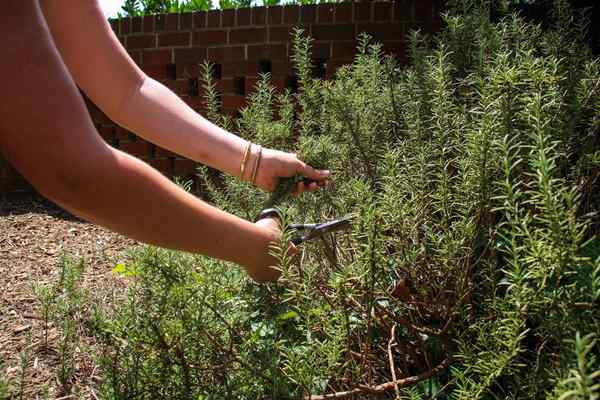
That lush pot of basil on the kitchen windowsill can become tall and sparse surprisingly quickly. Often, the solution is not more fertilizer but a better harvest. Learning how to prune herbs helps you encourage fresh shoots, improve shape, and collect flavorful leaves without gradually exhausting the plant.
The secret is knowing where each herb grows. Basil branches from stems, parsley replaces leaves near its base, and rosemary relies on a woody framework. Treat them all alike and a helpful trim can become a setback.
Look for the plant’s growing points first
On basil and mint, find the place where two leaves join a stem. This is a node, and small buds can develop beside it. When you remove the tip just above a healthy node, growth often shifts into the side shoots. That’s why pinching herbs can turn one upright stem into a fuller plant.
Clump-forming herbs behave differently. Chives produce new blades near the crown, while parsley makes replacement stalks from its center. Woody herbs such as thyme, sage, and rosemary may struggle to regrow from old, leafless stems. Identify the growth pattern before reaching for the scissors.
How to prune herbs step by step
Wait until the plant is established
Start light pruning once a young herb has several sets of true leaves and is growing actively. Avoid major trimming when it is wilted, newly transplanted, frost-damaged, or recovering from pests. Correct the problem first and allow healthy growth to resume.
Cut above a node on branching herbs
Follow a stem downward until you find a healthy leaf pair. Snip just above it, leaving those leaves and buds attached. You can pinch tender basil tips with clean fingers; sharp scissors work well for firmer stems. Remove damaged or diseased foliage separately, cleaning tools afterward.
Leave enough foliage behind
For ordinary harvesting, taking no more than roughly a quarter to a third of leafy growth at once is a cautious starting point for many established herbs. Small or slow-growing plants need less. The leaves left behind supply energy for recovery, so several modest harvests are usually better than one severe cut.
The right pruning method for common herbs
Basil: encourage two shoots instead of one
Trimming basil is most effective when you harvest a short stem rather than repeatedly plucking its largest lower leaves. Picture a young basil plant with several healthy leaf pairs and one dominant tip. Cut above a lower pair and watch for two shoots growing from the joints. Once they lengthen, prune selected tips again.
Remove developing flower spikes if tender leaves are your goal. This often delays flowering, although heat and plant age still matter. For a longer supply, start replacement plants too; growing basil from seed is a useful companion skill.
Mint and oregano: shape vigorous growth
Cut mint stems above nodes and harvest regularly when growth is strong. If it looks tangled, shorten a few of the longest stems while keeping plenty of green leaves. Oregano also tolerates light shaping during active growth. Pruning controls their tops, not mint’s spreading roots, so containers remain useful.
Parsley, cilantro, and chives: work near the base
Harvest parsley by cutting mature outer stalks close to the base, leaving the young central growth undisturbed. Pick cilantro similarly while it remains leafy, but expect it to bolt in warm or long-day conditions. Snip chive leaves low above their crown; a tired clump can produce fresh leaves after a post-flowering cutback.
Rosemary, thyme, and sage: avoid bare wood
Harvest leafy shoot tips and trim conservatively. Rosemary is commonly shaped after flowering; thyme benefits from light trimming after flowering; sage can be gently shaped in spring. Keep living leaves or buds below your cuts. Older bare wood may not reshoot, so cutting a woody rosemary or thyme plant down hard is risky.
If rosemary has become tall with a bare center, resist the temptation to shorten every branch to its brown trunk. Taking cuttings and gradually replacing the plant may be more successful than drastic renovation.
When should you prune herbs?
Let growth dictate the timing. In spring, allow new plants to establish and check perennials for winter damage. Through the main growing season, harvest tender herbs regularly and pinch basil before flower spikes mature. As cold weather approaches, avoid heavy late pruning of outdoor woody herbs, since tender regrowth may be vulnerable.
Indoor herbs can be trimmed whenever they’re actively producing leaves, but a dim windowsill slows recovery. Match your cuts to the actual rate of regrowth. For more context, growing herbs indoors is a helpful topic to explore alongside pruning.
Can pruning prevent herbs flowering?
Sometimes pruning delays blooms; it doesn’t stop them indefinitely. Pinching basil removes developing tips, giving you more time to harvest leaves. Cilantro and dill respond strongly to seasonal conditions, including warmth and day length, and may flower despite frequent cutting.
For leaf production, keep plants watered appropriately, avoid overcrowding, harvest promptly, and sow succession batches where useful. If you want seeds or flowers for pollinators, deliberately leave a few stems to bloom.
Common pruning mistakes to avoid
Stripping a tiny plant almost bare, cutting stems below every living bud, or trimming woody herbs into leafless wood can reduce future harvests. Repeatedly snipping a stressed plant will not fix poor drainage, weak light, or inconsistent watering. If leaves are yellowing, investigate the cause before assuming more pruning is needed; a guide to why herbs turn yellow can help.
After each cut, check that the plant still has healthy foliage and visible growing points. That small habit makes pruning more deliberate and less likely to leave a plant struggling.
Frequently asked questions
How often should you prune herbs?
Check fast-growing herbs weekly during active growth and harvest as needed. Woody, slow-growing perennials usually require less frequent cutting. The return of healthy new leaves is a better guide than a fixed calendar.
Is it better to cut herbs from the top or bottom?
For basil and mint, cut stems above leaf nodes to promote branching. For parsley, remove mature outer stalks near the base. For chives, snip leaves low without damaging the crown.
Can you prune herbs after they flower?
Yes, but results vary. Chives may produce a fresh flush after flowering, and woody herbs often benefit from light shaping. Flowering cilantro is unlikely to return to the same tender leafy growth.
Does pruning make herbs grow faster?
It can encourage side shoots and a bushier shape, but it removes some photosynthesizing leaves. Good light, healthy roots, suitable temperatures, and steady care are still essential for strong recovery.
Keep each harvest working for the next
Pruning herbs is really about protecting the places where new leaves appear. Pinch basil above nodes, harvest parsley from the outside, cut chives low, and stay within leafy growth on rosemary and thyme. Small, timely cuts give you usable herbs today while keeping the plant ready to produce again.