
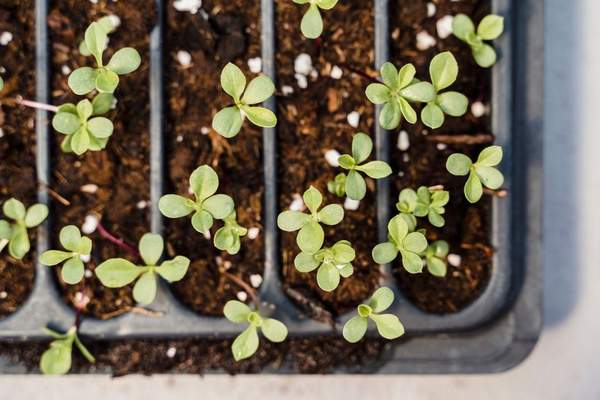
A packet of herb seeds can produce dozens of plants for the price of one nursery pot. That makes starting herbs from seed appealing if you want basil for summer cooking or enough parsley to fill several containers. The trick is knowing that different herbs need different treatment. With a little preparation, a windowsill or small shelf can become an affordable herb-growing station.
Choose Herbs That Suit Seed Starting
Basil, parsley, chives, oregano, and thyme can all be raised from seed. Basil is a rewarding first project because it germinates relatively quickly in warmth. Parsley asks for patience, while oregano and thyme have tiny seeds that are easily buried too deeply.
Cilantro (coriander) and dill generally perform best when sown directly where they will mature; their roots dislike unnecessary disturbance. Rosemary can grow from seed, but germination and early growth are slow, making cuttings or purchased young plants easier. Start with two forgiving herbs and one slower choice so you can compare results.
Gather Simple Supplies
You need fresh seeds, a clean tray or small pots with drainage holes, fine seed-starting mix, labels, and a gentle watering method. Reused containers work if cleaned thoroughly and given drainage holes. Avoid heavy garden soil, which can compact around delicate roots.
A bright window may work, but seedlings often stretch toward limited daylight. An adjustable LED grow light makes results more predictable, particularly when sowing herb seeds indoors before spring. Expensive equipment is unnecessary.
Step 1: Choose the Right Sowing Time
Check each packet for its preferred season and temperature. Warm-loving basil should go outdoors only after frost risk has passed. Parsley and chives tolerate cooler growing conditions, although seeds still germinate best with suitable warmth.
For outdoor planting, work backward from your local last-frost date, not a calendar from another climate. Indoor herbs need enough light, and seedlings should stay away from cold, drafty windows.
Step 2: Prepare the Mix and Sow Carefully
Moisten seed-starting mix before filling containers. It should feel damp, not dripping. Fill cells loosely, level the surface, and label each variety with its sowing date.
Follow packet instructions for depth. Larger seeds are generally covered lightly; very fine seeds, including oregano, are often scattered on the surface and gently pressed into contact with the mix. Some basil sowing methods also leave seeds uncovered or barely covered. Burying tiny seeds too deeply can prevent emergence.
Try dividing a six-cell tray between basil, parsley, and thyme, giving each herb two labelled cells. This cheap comparison shows which seeds emerge quickly and stops you treating every variety as though it germinates on the same schedule.
Step 3: Keep the Mix Moist, Not Waterlogged
Water with a fine spray or from below so seeds stay in place. Keep the mix evenly moist during germination, but let containers drain. A clear cover can reduce moisture loss; vent or remove it when shoots appear to improve airflow.
Basil germinates well at about 20°C (68°F) and may emerge in roughly a week under favorable conditions. Parsley can take several weeks. Seed age, warmth, and moisture affect timing, so resist digging through the mix after a few quiet days.
Step 4: Give Herb Seedlings Strong Light
Once shoots appear, light is essential. Place herb seedlings in a bright position or use a grow light for approximately 12–16 hours daily, adjusting its distance according to the fixture’s instructions. Allow a dark period rather than lighting plants continuously.
Rotate windowsill trays if stems lean toward the glass. Thin, stretched seedlings usually need stronger light, not more fertilizer. Protect seedlings from windows that become scorching hot at midday.
Step 5: Thin and Pot Up Seedlings
Seedlings produce seed leaves first, followed by true leaves resembling the mature herb. If several seedlings crowd one cell, keep the strongest and snip extras at soil level. Pulling them can damage nearby roots.
Once plants have a couple of true leaves and roots hold the mix together, transfer those needing more room into small pots. Hold seedlings by a leaf rather than squeezing their stems. Water gently afterward. Dill and cilantro are better thinned in place than routinely transplanted.
As your plants develop, the same drainage and spacing principles used for growing herbs in containers will help them flourish.
Step 6: Acclimate Herbs Before Planting Outdoors
Indoor-grown herbs need time to adjust to wind, sunlight, and temperature changes. Over roughly seven to ten days, put pots outside briefly in sheltered shade, then gradually increase exposure. Bring them inside during cold spells; never expose tender basil to frost.
Transplant into free-draining containers or garden beds. Basil and parsley appreciate regular moisture, while established thyme prefers soil that does not stay constantly damp.
Fix Common Seed-Starting Problems
Seeds Never Sprout
Check seed freshness, temperature, moisture, and sowing depth. Old parsley seed and deeply buried surface-sown herbs are common causes. Try a fresh small batch rather than repeatedly soaking a failed tray.
Seedlings Collapse at the Base
Sudden collapse can signal damping-off disease. Reduce persistent wetness, improve ventilation, and use clean pots and fresh mix for another attempt. Affected stems rarely recover.
Seedlings Look Pale or Leggy
Move them into stronger light and thin crowded cells. Correct watering and lighting before reaching for fertilizer. Later, learning how to harvest herbs without exhausting the plants will help keep your crop productive.
Make Small Repeat Sowings
Instead of emptying a packet into one tray, sow a few cells at a time during suitable weather. Repeat sowings can maintain supplies of quick-growing annual herbs. They are particularly useful for cilantro and dill, which can bolt in heat. Record sowing dates and emergence so future batches fit your conditions. A simple indoor herb garden setup can make the routine easier.
Frequently Asked Questions
What is the easiest herb to grow from seed?
Basil is an approachable indoor choice when you can provide warmth and strong light. Chives are another option, while dill is straightforward when sown directly outdoors in suitable conditions.
How deep should I plant herb seeds?
Depth varies by species. Tiny oregano seeds are generally surface-sown; parsley is commonly covered lightly. Follow the packet rather than giving every herb the same covering.
How long do herb seeds take to germinate?
Some basil seeds sprout within about a week in good conditions, while parsley often takes two to four weeks. Temperature, seed freshness, and moisture make a difference.
Can herbs grow from seed in pots all year?
Yes, for suitable species, if indoor temperatures and light support growth. Winter daylight may be inadequate without supplemental lighting, and annual herbs benefit from repeated sowings.
Start Small and Grow What You Use
Learning how to grow herbs from seed does not require costly equipment or perfect results. Begin with clean containers, appropriate depth, gentle moisture, and strong light. Notice which herbs thrive in your space, then grow more of the ones you actually cook with. A few successful seedlings can become a steady supply of fresh flavor at modest cost.