
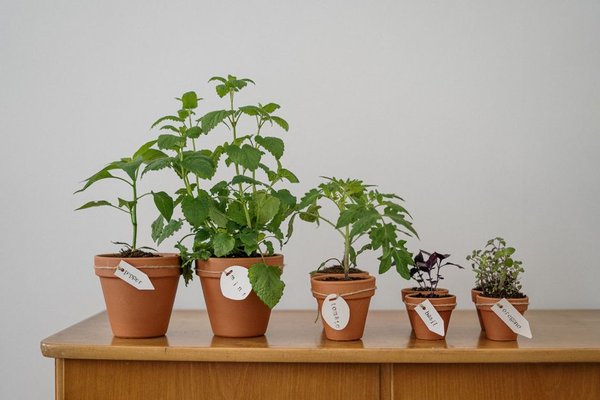
The basil on your windowsill may struggle in winter while the chives beside it keep producing. That difference explains why choosing the best herbs to grow indoors is about more than picking favorite flavors. Light, growth habits, and how often you cook with each herb all determine whether a small indoor garden becomes genuinely useful.
Think in portions, too. A few snipped chives can finish breakfast, while one batch of pesto might empty an entire basil plant. Matching your plants to your appetite is the simplest way to keep fresh flavor close to the kitchen.
How to choose herbs for indoor growing
Chives, parsley, and mint are sensible first choices for bright rooms with somewhat limited direct sunlight. Basil needs extra warmth and light. Thyme, oregano, and rosemary prefer the sunniest positions and drier soil conditions. Cilantro grows quickly but usually needs regular replacement.
Most herbs perform best with several hours of direct sunlight; roughly four to six hours is a useful starting point, not a universal rule. Even easy indoor herbs produce weak, stretched growth when light is insufficient. In winter, a suitable grow light can be more valuable than another sunny-looking shelf.
Eight indoor culinary herbs compared
Chives: best for frequent small harvests
With slender onion-flavored leaves and an upright habit, chives suit compact pots. Snip them into eggs, potatoes, soups, or dressings. They tolerate less light than many woody herbs but regrow faster in brighter conditions. Cut leaves above their base, leaving the clump enough foliage to recover.
Parsley: best all-round cooking herb
Flat-leaf parsley works in salads, grains, sauces, and roasted vegetables. It grows in full sun or partial shade and appreciates evenly moist, well-drained potting mix. Harvest outer stems rather than cutting into the center. Because parsley is biennial, older plants eventually flower and should be replaced when leaf quality declines.
Mint: best for drinks and fresh sauces
Mint brings a cooling note to tea, fruit, yogurt dips, and salads. It tolerates moderate light and likes more consistent moisture than thyme. Its creeping roots can overwhelm neighboring plants, so grow it alone. Pinch tips for bushier growth, and expect production to slow during darker months.
Basil: best for tomatoes and pasta
Basil has exceptional culinary value but demands warmth and strong light. Protect it from cold windows and drafts. Once several sets of leaves develop, pinch above a leaf pair to encourage branching. For frequent pesto or pasta nights, keep two pots or sow replacements periodically rather than stripping one plant bare.
Cilantro: best for quick, repeat sowings
Cilantro, also called coriander leaf, shines in salsa, curries, and noodle dishes. It naturally heads toward flowering, particularly in stressful heat. Give it a cool, bright position rather than a hot radiator shelf. Sow small batches every few weeks for successive harvests instead of expecting one plant to last indefinitely.
Oregano: best for concentrated savory flavor
Oregano fits pizza, tomato sauces, and roasted vegetables. It likes strong light and drainage, and its leaves are flavorful enough that a compact plant often meets occasional cooking needs. Water thoroughly after the potting mix begins to dry, then let excess water escape. Light trimming encourages fresh branching.
Thyme: best for sunny, low-fuss spaces
Thyme adds fragrant depth to soups, mushrooms, and roasted vegetables. It favors direct sun and dislikes persistently wet roots. Clip tender tips, avoiding deep cuts into old woody stems. It ranks among low maintenance herbs only when you can provide excellent drainage and enough light; a dark shelf will not work.
Rosemary: best for cooks with strong light
Rosemary adds pungent flavor to roast potatoes, breads, and beans. Although established plants tolerate dry conditions, indoor rosemary often struggles with poor light and waterlogged soil. A compact plant in a well-draining pot is more manageable than a large shrub. Consider supplemental lighting if your window gets little direct sun.
Build a collection around your window
Suppose your kitchen receives four hours of direct sun. Start with parsley, chives, and mint, each in a separate pot. Put basil under a grow light if it features heavily in your cooking. Reserve thyme and rosemary for a much sunnier window or a suitable lighted growing area.
During winter, an appropriate full-spectrum grow light operated for around 12 to 16 hours a day can support growth when daylight is limited. Follow the manufacturer’s distance and intensity guidance. Pale, leggy stems usually indicate inadequate light, not a need for extra fertilizer.
That distinction makes kitchen herbs indoors easier to manage: choose the location first, then the plants, rather than bringing home eight pots and hoping they adapt.
Watering, harvesting, and keeping plants productive
Every pot needs drainage holes and a free-draining growing medium. Check the mix before watering instead of following a fixed calendar. Mint, basil, and parsley generally prefer more consistent moisture; thyme, rosemary, and oregano need a little more drying time. Empty saucers after watering.
Feed lightly during active growth and avoid removing so much foliage that regrowth stalls. Closely packed supermarket herbs sometimes benefit from careful division into smaller pots; see our guide to repotting supermarket herbs for the technique.
For longer-term planning, choosing grow lights for indoor plants and starting herbs from seed indoors are useful next topics. Repeated small sowings are particularly valuable for cilantro and basil, whose harvests are less continuous than those of established chives.
Frequently asked questions
What are the easiest indoor herbs for beginners?
Chives, parsley, and mint are excellent starting points for a reasonably bright room. They still require suitable moisture, drainage, and enough light for fresh growth.
Which herbs need the most sunlight indoors?
Rosemary and thyme are especially light-demanding. Basil also needs plenty of light plus warmth, while oregano generally performs best in a sunny position.
Can herbs grow indoors without direct sun?
Some tolerate limited direct sunlight, but a dark room will not produce reliable harvests. Appropriate grow lights can compensate when natural light is insufficient.
How do I get herbs year-round?
Supplement winter light, harvest modestly, and replace short-lived plants through successive sowings. Slower winter growth means two or more pots may be needed for regular meals.
Start with the herbs you will actually use
A productive windowsill does not need every variety. Choose chives, mint, or parsley for a forgiving start; add basil if you can supply warmth and light. Save thyme, oregano, and rosemary for sunnier places. With the right match between plant, position, and recipe, a few pots can make everyday cooking noticeably fresher.