
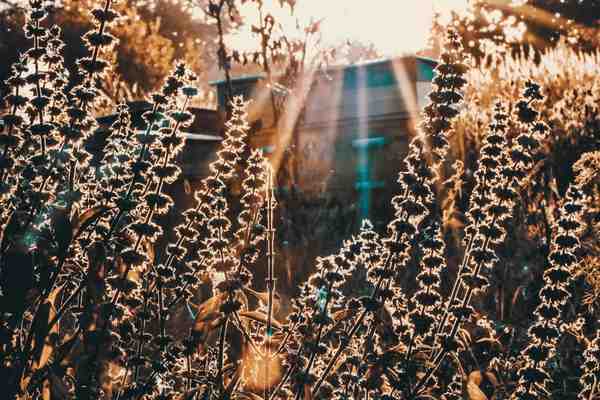
A sunny kitchen window might look perfect for a herb garden, yet basil may struggle there while parsley grows well. The difference is often the amount of useful light reaching the leaves. Understanding herb garden sunlight requirements helps you match plants to windows, patios, and balconies instead of guessing where they belong.
A spot with morning sunshine behaves differently from one exposed to intense afternoon heat, and light through a window is weaker than outdoor sunshine. Recognising these differences makes choosing herbs simpler.
How much sunlight do herbs need?
Full sun generally means at least six hours of direct outdoor sunlight daily. Many Mediterranean herbs thrive with six to eight hours or more, provided the soil drains well. Partial shade usually describes roughly three to six hours of direct sun, often with bright indirect light for the remainder of the day.
These are guidelines, not strict thresholds. Six hours of gentle sunlight in spring differs from six hours on a scorching summer balcony. Season, temperature, soil moisture, and light intensity all affect how a herb responds.
Direct sun versus bright indirect light
Direct sunlight reaches leaves without being blocked by a roof, wall, or thick canopy. Bright indirect light illuminates a plant without direct rays. A herb on a windowsill might receive direct sun for hours; another across the room may receive almost none.
Full sun herbs for bright growing spaces
Rosemary, thyme, sage, and oregano are dependable choices for a sunny patio or garden bed. They prefer good light and free-draining soil. Waterlogged roots are a separate problem that extra sunshine cannot fix, especially for rosemary and thyme.
Basil also enjoys warmth and substantial sunshine, often around six hours or more in suitable weather. Unlike woody Mediterranean herbs, it prefers more consistent soil moisture. In very hot regions, protection from the strongest afternoon sun may keep its leaves healthier.
Dill generally does best with plenty of sunshine. Weak light can encourage tall, floppy growth, so avoid placing it behind larger pots that block direct rays.
Shade tolerant herbs for less sunny spots
Parsley, chives, mint, and cilantro are practical choices for morning sun and afternoon shade. They also grow in sunny conditions when temperatures and moisture are suitable, but tend to cope better with partial shade than thyme or rosemary.
Cilantro, also called coriander, is especially useful in a cooler position during warm weather. Heat encourages it to bolt, producing flowers and seeds instead of tender leaves. Some afternoon shade may delay that change, although it cannot prevent bolting indefinitely.
Chervil also suits partial shade. Mint enjoys reasonably moist soil but spreads vigorously, so growing it in its own container is wise. Shade tolerant herbs still need adequate brightness; a dark hallway is not a realistic growing location.
Check your sunlight before planting
Observe your intended growing spot on a clear day. Check it every couple of hours, recording when direct sun reaches the plants and when walls, railings, or trees create shade. Repeat when seasons change, since the sun’s path shifts throughout the year.
Imagine a balcony receiving sunshine from 8 a.m. until noon. Four hours of direct morning light may suit parsley, chives, cilantro, and mint. It is less ideal for rosemary, which usually benefits from a brighter location. This observation can save weeks of disappointing growth.
Orientation offers clues but is not a guarantee. South-facing spaces in the Northern Hemisphere often receive strong light, while north-facing locations tend to be brighter in the Southern Hemisphere. Buildings can override either pattern.
Matching herbs to patios, balconies, and containers
On an open patio, give rosemary and thyme the sunniest section and place leafy herbs where afternoon light is filtered. Balcony surfaces can reflect heat onto containers, drying compost quickly even when plants get enough sunlight.
Choose pots with drainage holes and enough space for roots. Keep moisture-loving mint and parsley separate from drought-tolerant thyme and rosemary so watering suits each plant. A useful companion topic is choosing herb garden containers for small spaces.
Moving a pot a few feet can make a difference as shadows lengthen. Observe the plant after relocation; new growth indicates whether the adjustment worked.
Indoor herb lighting: windows and grow lights
Indoors, start with a bright, unobstructed window. A south-facing window often provides the most light in the Northern Hemisphere, but glazing, trees, and winter days can limit exposure. Plants leaning strongly toward the glass may need more light, not merely rotation.
When daylight is insufficient, full-spectrum LED grow lights can provide supplemental lighting. A timer set for approximately 12 to 16 hours daily is a common starting point. Follow the manufacturer’s guidance for distance, because brightness varies among products. Indoor herb lighting should supply sufficient intensity without overheating leaves.
Keep tender basil away from cold window glass and drafts. If the sill becomes chilly overnight, move the pot slightly back while keeping it near the brightest position.
What happens when herbs get the wrong amount of sun?
Insufficient light often produces stretched stems, pale leaves, leaning growth, and disappointing harvests. Move the pot gradually to brighter conditions or add a grow light. Elongated stems will not shrink, so judge improvement by new growth.
Excessive heat and direct sun may cause brown patches, crispy edges, or wilting. Check compost moisture before blaming light alone: dehydration, saturated roots, and heat stress can cause similar symptoms. For related care issues, see common herb growing mistakes and ways to avoid them.
When shifting indoor-grown herbs outside, introduce them to sunlight gradually over several days. Start in sheltered shade, then increase exposure. Leaves produced indoors can scorch if suddenly placed in full midday sun.
Frequently asked questions
How many hours of direct sun should a herb garden receive?
Many culinary herbs prefer at least six hours of outdoor direct sun. Parsley, mint, chives, and cilantro can remain productive in partial shade. Choose plants to suit the light available.
Can herbs survive without direct sunlight?
Some herbs tolerate bright indirect light, but growth may be slow in deeply shaded positions. Indoors, a suitable grow light can compensate for inadequate window light. Complete darkness cannot support healthy growth.
Is morning or afternoon sun better for herbs?
Morning sun is often gentler, making it useful for leafy herbs in hot weather. Rosemary and thyme appreciate substantial direct sunshine, but extreme afternoon heat can stress container-grown plants.
Should I move herb pots between seasons?
Yes, if conditions change substantially. A sunny summer balcony may be shaded in winter. Adjust pot placement, monitor moisture during slower growth, and use supplemental indoor lighting when necessary.
Put the right herb in the right light
A thriving herb garden does not require every plant to sit in full sun all day. Match sunlight for herbs to their preferences: brighter places for rosemary and thyme, gentler positions for parsley and mint, and additional light when windows fall short. Careful observations make your harvest more reliable.