
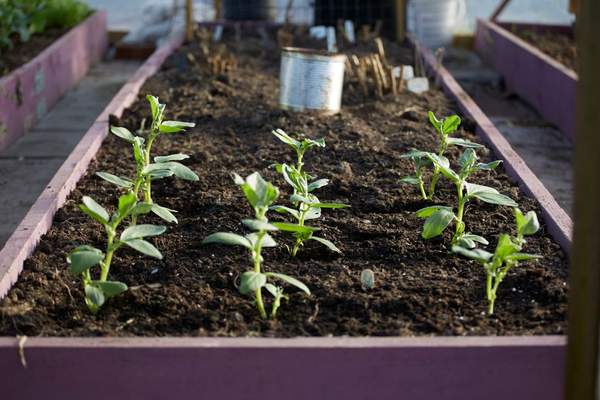
A raised bed can be well built and still underperform if its filling material is too dense, too rich, or too quick to dry. Vegetable roots need a balance of mineral soil, organic matter, pore space, nutrients, and moisture retention. The most reliable starting point is a well-blended mix made from known ingredients.
For most open-bottom vegetable beds, a practical raised bed soil recipe is about 70% good-quality topsoil or garden soil and 30% finished compost by volume. This provides mineral structure while adding organic matter and biological activity. Local conditions may justify small adjustments, but filling the bed with compost alone is rarely a good idea.
The Core Soil Mix and Why It Works
Topsoil supplies sand, silt, clay, and mineral particles that anchor roots and hold nutrients. Compost improves aggregation, water movement, moisture retention, and microbial activity. Blending roughly seven parts soil with three parts compost creates a productive base without making organic matter excessive.
Choose screened topsoil that crumbles when moist rather than forming a sticky lump. Ask where it came from and whether it has been screened or tested. The word “topsoil” does not guarantee quality; some products contain subsoil, debris, weed seeds, or too much clay.
Use mature compost with an earthy smell and no recognisable food scraps. Plant-based compost, finished home compost, and properly composted manure can work, although manure-based products may contain more salts and phosphorus. Mixing more than one compost source can improve texture.
Garden Soil vs Potting Mix
Garden soil and potting mix serve different jobs. Mineral garden soil is heavy enough to form a lasting bed structure. Potting mix is designed for containers and often contains peat, coir, bark, perlite, or vermiculite. It drains well, but filling a large raised bed entirely with potting mix is expensive and can shrink over time.
A small amount of coarse amendment may help when the topsoil is unusually heavy. Fine bark, pumice, rice hulls, or modest perlite can increase air space, but they are optional. Do not add a thin layer of sand to clay soil, because an unbalanced mixture can become denser.
How Much Soil Does Your Bed Need?
Multiply the bed’s length by width by soil depth, using the same unit throughout. A bed measuring 4 feet by 8 feet and 1 foot deep holds 32 cubic feet. Since one cubic yard contains 27 cubic feet, it needs about 1.2 cubic yards before allowing for settling.
Using the 70-to-30 formula, that bed would require roughly 22.4 cubic feet of topsoil and 9.6 cubic feet of compost. Ordering a little extra is sensible because new beds commonly settle.
Filling a Raised Bed Cheaply Without Hurting Growth
For a bed only 10 to 12 inches deep, fill the full rooting area with the soil-and-compost blend. Large logs, rubble, and thick woody layers can remove root space, cause uneven settling, and temporarily tie up nitrogen near the wood.
Tall accessibility beds offer more room for cheaper fill below the main root zone. Clean native soil, excavated uncontaminated soil, or a reputable bulk blend can reduce cost. Small amounts of partly decomposed leaves may go low in a deep bed, but keep the upper 12 to 18 inches as consistent growing mix.
Before filling an open-bottom bed, loosen the ground beneath it with a garden fork. Blend some new material into the native surface rather than creating a sharp boundary. This encourages water and roots to move between layers.
Test Before Adding Fertilizer or Lime
Compost does not automatically provide every nutrient in the right amount. Vegetables may still need nitrogen, while repeated heavy compost applications can create excessive phosphorus or salts. A laboratory soil test is the best guide to pH and fertilizer needs.
Most vegetables grow well in slightly acidic to neutral soil, often around pH 6.0 to 7.0, though crops vary. Add lime, sulfur, or fertilizer only when test results or clear crop needs justify it. Random additions can push the soil out of balance.
Adjusting the Mix for Common Problems
If the Soil Drains Too Slowly
Confirm that the bed has an open drainage path and that nobody walks on the soil. Mix in finished compost and a modest amount of coarse material if the soil is genuinely heavy. Avoid separate layers, which can interfere with water movement.
If the Bed Dries Too Fast
Improve moisture retention with compost, leaf mould, and surface mulch. Drip irrigation or a soaker hose waters more evenly than occasional shallow spraying. Raised beds often dry faster than ground-level gardens in hot or windy weather.
If Plants Are Pale or Stunted
Check moisture first, then use a soil test to investigate nitrogen, pH, salts, and other nutrient issues. More compost is not always the answer; a targeted fertilizer may correct a deficiency more effectively.
Maintaining Raised Bed Soil Each Year
Soil settles and crops remove nutrients, so the bed needs maintenance. Add a thin layer of finished compost, commonly about one-quarter inch to one inch, before planting or after harvest rather than rebuilding the mix. The correct amount depends on soil tests and compost nutrient content.
Cover the surface with straw, shredded leaves, untreated grass clippings, or another suitable mulch. Mulch reduces evaporation, moderates temperature, and limits erosion. Avoid stepping in the bed, and disturb the soil only as needed.
Useful related topics include calculating raised bed soil volume, choosing safe raised bed materials, and using compost correctly in a vegetable garden.
Frequently Asked Questions
Can I fill a raised bed with compost only?
No. Compost is an amendment rather than a complete long-term soil. It lacks the mineral structure of topsoil and can shrink or create excessive nutrient and salt levels when used alone.
Is a one-third topsoil, compost, and aeration mix always best?
No single formula suits every material. A 70% soil and 30% compost blend is a dependable starting point. Add aeration material only when the texture and drainage require it.
Can I use soil from my yard?
Yes, if it is uncontaminated and has workable texture. Test questionable urban soil for lead or other contaminants, and improve heavy native soil with finished compost.
How deep should the soil be for vegetables?
Many vegetables can grow in 8 to 12 inches of good soil, while tomatoes, root crops, and long-lived plants benefit from more depth and loosened ground below.
Build the Mix Around Function, Not Marketing
The best soil mix for a raised bed vegetable garden should hold moisture without becoming waterlogged, drain without drying immediately, and provide a stable mineral base with moderate organic matter. Begin with roughly 70% quality topsoil and 30% finished compost, mix it evenly, test before adding amendments, and improve it gradually each season. Healthy soil is a living system that becomes more reliable through careful maintenance.