
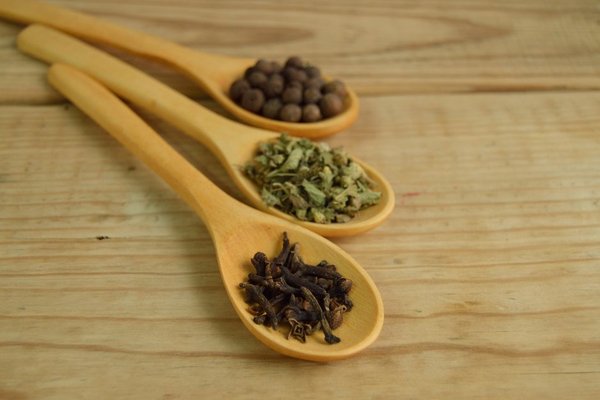
A flourishing herb garden often produces more than you can cook with in a week. One day the thyme looks modest; the next, basil needs another trim and mint is taking over its pot. Learning how to dry herbs at home turns that short-lived surplus into useful seasonings without filling the refrigerator with wilting bunches.
Start With the Right Harvest
For most leafy culinary herbs, harvest in the morning after dew has dried, ideally before the plants flower. Choose healthy, identifiable leaves without mold, pest damage or discoloration. Never dry plants that have been treated with products not approved for edible crops.
Rinse harvested stems gently under cool running water, shake off droplets and pat them with a clean towel. A salad spinner can help with sturdy leaves. Remove damaged material, then allow surface moisture to evaporate before drying. Wet bunches packed tightly together are much more likely to spoil.
Keep varieties separate and label them before you start. A handful of rosemary and a handful of tarragon may look equally easy to preserve, but their moisture content and drying behavior differ. If you need more leaves later in the season, good harvesting basil techniques can also help encourage fresh growth.
Air Drying Herbs Without Special Equipment
Air drying works particularly well for sturdy herbs such as thyme, rosemary and sage. Gather a few clean stems into a small, loose bundle and secure them with string. Hang the bunch upside down in a dry, shaded spot with good airflow, away from the stove, a steamy sink and direct sunlight.
Check the bunch every few days. Depending on humidity and stem thickness, drying may take from several days to a few weeks. Thick, crowded bundles trap moisture, so divide a large harvest rather than making one impressive-looking bouquet. The leaves should become crisp, not limp or leathery.
What About Basil, Mint and Other Tender Leaves?
Basil, mint, tarragon and lemon balm contain more moisture and can mold when they dry too slowly. For small bundles, use a clean paper bag with ventilation holes and hang it where air circulates. The bag catches falling leaves and reduces exposure to dust. In a humid kitchen, however, a dehydrator is often the safer, more predictable choice.
Drying Fresh Herbs in a Dehydrator
A food dehydrator offers the most consistent control, especially when the weather is damp or several varieties are ready at once. Set it around 95–115°F (35–46°C), following the appliance instructions; some guidance allows temperatures up to 125°F (52°C) in humid conditions.
Spread herbs in a single layer without overlapping. Larger leaves can be removed from their stems, while small sprigs may remain intact. Begin checking after an hour and continue until the leaves crumble easily. Many batches take roughly one to four hours, but leaf size, load and humidity matter more than the clock.
Try a practical split-harvest test: dry half your mint in the dehydrator and air dry the other half. Store each batch separately, then compare their aroma in a cup of tea a week later. It is an easy way to discover which method suits your home rather than assuming one technique always wins.
Can You Make Oven-Dried Herbs?
Yes, although an oven is usually less gentle than a dehydrator. Many domestic ovens run hot even on their lowest setting, and high heat can drive off fragrant oils. Use the lowest setting, never above 180°F (82°C), and spread herbs thinly on a baking tray.
Some extension guidance describes drying for about three to four hours with the door slightly open. Only do this if your oven manufacturer permits that operation; otherwise use a suitable dehydrator or air drying. Check frequently and remove leaves as soon as they are crisp. If they brown, toast or smell cooked, the heat is too high.
How to Tell When Herbs Are Fully Dry
Before storing dried herbs, test leaves from several parts of the batch, not just the ones nearest the heat source. Properly dried leaves should crumble between your fingers, and small stems should snap rather than bend. Let heat-dried herbs cool completely before packing them.
If some leaves remain flexible, return those pieces for further drying. Sealing even a small damp pocket in a jar may allow mold to develop. Never try to rescue herbs that have visible mold or a musty odor; discard the affected batch.
Storing Dried Herbs for Better Flavor
Transfer fully dried herbs into clean, completely dry, airtight jars. Store them in a cool, dark cupboard rather than above the cooker or on a sunny windowsill. Light, heat, air and moisture gradually reduce their fragrance. Label each container with the herb and drying date.
Keep leaves whole when possible and crush only what you need for cooking. Whole dried rosemary needles or thyme leaves generally hold their aroma better than a finely crumbled mixture. Use a dry spoon and avoid shaking the jar directly over a steaming saucepan, which can introduce moisture.
Check jars occasionally for condensation, clumping or off smells. Discard anything showing signs of spoilage. Flavor naturally fades over time, so judge older herbs by their aroma rather than assuming they remain equally potent indefinitely. Planning an herb garden with staggered harvests can make it easier to replenish small jars instead of storing oversized batches.
Cooking With Your Home-Dried Harvest
Dried herbs are more concentrated than fresh ones. As a starting point, substitute about one teaspoon of dried leaves for one tablespoon of fresh leaves, then adjust to taste. Rub sturdy dried leaves lightly between your fingers before adding them to soup or sauce to release their fragrance.
Slow-cooked meals make particularly good use of dried thyme, oregano and rosemary. Delicate herbs such as basil may lose some fresh brightness when dried, so freezing a portion is worth considering when you want a greener, fresher flavor later.
Frequently Asked Questions
Should I wash herbs before drying them?
Yes. Rinse in cool water to remove dirt, inspect for insects and pat away as much moisture as possible. Let the surface dry before bundling or placing leaves on trays.
How long does it take to air dry herbs?
It varies with the herb and indoor conditions. Some small sprigs dry relatively quickly, while larger bundles can take weeks. Crisp, crumbly leaves are a better guide than a fixed number of days.
Why did my dried herbs turn brown?
Excess heat, direct sunlight, bruising or slow drying can affect color. Some darkening is normal, but scorched leaves or anything with an unusual odor should not be used.
Can I store different dried herbs in one jar?
You can blend fully dried herbs for a seasoning mix, but separate jars make it easier to identify each harvest, track freshness and adjust recipes. Never combine a dry batch with leaves that still feel flexible.
Make the Most of Every Harvest
Good herb preservation begins with a clean harvest and ends with a dry, well-sealed jar. Choose airy bundles for sturdy sprigs, a dehydrator for moisture-rich leaves, and an oven only when you can control the heat safely. When those details are right, a summer trim can bring familiar garden flavor to meals long after the growing season ends.