
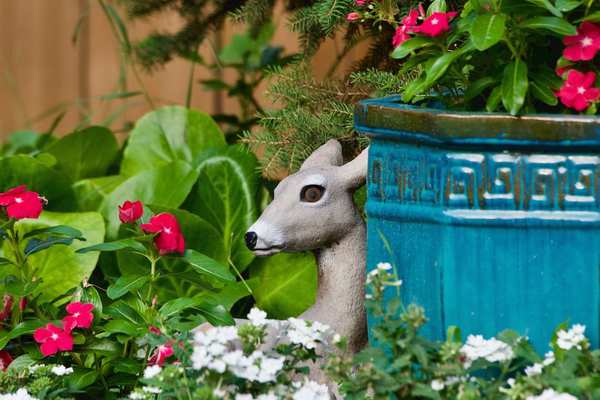
A flower bed can look spectacular in spring and strangely bare by midsummer when deer visit regularly. Tender buds disappear, fresh shoots get clipped, and plants bought for color never quite make it to flowering. The answer is not to give up on flowers. Build your beds around plants deer are less inclined to browse, then protect vulnerable spots.
Deer-resistant flowering plants offer plenty of color, from purple summer spikes to cheerful spring bulbs. The key word is resistant, not immune: hungry deer may sample almost anything. Rutgers Cooperative Extension rates plants by how frequently deer damage them, a useful starting point for choosing flowers that stand a better chance in your garden.
Why Do Deer Avoid Some Flowers?
Deer often favor tender, mild-tasting growth, while strong scents, fuzzy leaves, tough textures, and naturally unpalatable compounds can make other plants less attractive. These traits are clues, not guarantees. Browsing changes with local deer populations, weather, available food, and individual animals’ habits.
A mixed planting is wiser than betting an entire bed on one supposedly deer-proof flower. Select several reliable performers suited to your sunlight and soil, then watch what deer actually leave alone nearby.
Deer-Resistant Perennials for Sunny Beds
Catmint and Lavender
Catmint (Nepeta) produces clouds of blue-violet flowers above aromatic, gray-green foliage. Its relaxed shape softens the front of a border, and many varieties bloom again after trimming. Give it sunshine and free-draining soil.
Lavender brings silvery foliage and fragrant purple spikes. It needs excellent drainage and performs best in relatively dry, sunny conditions. In humid climates or heavy clay, catmint may be the easier option. Both frequently appear on lists of flowers deer avoid.
Perennial Salvia and Russian Sage
Meadow sage types of salvia provide blue, violet, pink, or white spikes that contrast beautifully with rounded plants. Deadheading some varieties encourages more blooms. Check the exact species and cultivar for your region.
Russian sage, commonly classified as Salvia yangii, offers airy lavender-blue flowers and aromatic foliage. It thrives in full sun and well-drained soil. Put it behind shorter plants to create a soft backdrop without hiding the front of the bed.
Yarrow and Anise Hyssop
Yarrow (Achillea) carries flat flower clusters in yellow, coral, pink, and other shades. Its finely divided foliage adds texture, and established plants tolerate relatively dry conditions. Avoid overly rich soil, which can encourage floppy stems.
Anise hyssop (Agastache) contributes upright flower spikes and scented leaves while attracting pollinators. Soil and moisture preferences vary by species, so select carefully. Together, these deer resistant perennials give a sunny border movement and contrasting shapes.
Peonies for a Spring Highlight
Peonies are prized for generous flowers and handsome foliage. They are often relatively deer-resistant, although deer sometimes eat the buds. Give them suitable sun and room for airflow, and avoid burying their crowns too deeply. In areas with repeated browsing, temporarily guard developing buds.
Color for Spring and Partly Shaded Gardens
Daffodils and Ornamental Alliums
Daffodils (Narcissus) are among the stronger choices for early color because their tissues contain toxic compounds and are unpalatable to deer. Plant bulbs in autumn at the depth recommended for your variety, and leave foliage until it yellows naturally.
Ornamental alliums produce globe-shaped flower heads in purple, white, or pink. Many are less attractive to deer because of their onion-family scent. Depending on the variety, they can bridge the gap between spring bulbs and summer perennials.
Hellebores and Bleeding Hearts
Hellebores flower in late winter or spring in many temperate gardens, bringing welcome color to partially shaded beds. Their tough foliage and unpalatable compounds make them a useful choice near deer routes.
Bleeding hearts produce arching stems with dangling heart-shaped flowers in spring. They enjoy cooler conditions and shade or partial shade in many regions. Traditional bleeding hearts may become dormant in summer heat, so position later-emerging plants nearby to cover the gap.
Annual Flowers to Fill the Gaps
Not every bed needs to rely entirely on perennials. Ageratum offers fuzzy blue, lavender, pink, or white flowers, while annual vinca (Catharanthus roseus) provides bright color during warm weather. Rutgers lists both among plants rarely damaged by deer, although regional results vary.
Annual vinca likes heat and good drainage; ageratum generally needs steadier moisture. Annual vinca is toxic if eaten, so consider children and pets when planting it. Use these annuals to fill spaces where earlier flowers have faded.
A Practical Planting Plan for Color and Texture
Imagine a sunny border four feet deep and ten feet long beside a walkway. Plant compact catmint along the front, drifts of salvia and yarrow in the middle, and airy Russian sage or suitably sized anise hyssop toward the back. Tuck daffodil and allium bulbs between them for early-season color.
Repeat plants in small groups rather than scattering one of everything, and allow for their mature width. This approach creates a sequence of blooms instead of one brief display. For more combinations, see our guide to planning flower beds with continuous blooms.
In a shadier bed, use the same layered idea with hellebores and bleeding hearts. Match plants to their growing conditions first and their deer resistance second. A flower struggling in the wrong light or soil will never put on its best show.
Protecting Flowers When Deer Pressure Is High
Plant selection reduces damage, but it does not replace protection where deer browse heavily. Fresh transplants and flower buds are especially vulnerable. Small cages or securely installed netting can protect individual plants while they establish.
For persistent damage, properly constructed fencing is more dependable than scents alone. University extension guidance commonly recommends fences around eight feet high for effective deer exclusion, although suitable designs vary by site.
Commercial repellents can help when used according to the label and reapplied after rain or fresh growth as directed. Do not assume lavender planted next to a favored snack will protect its neighbor. Fragrant flowers are a design choice, not a magical barrier.
Keep notes on which plants deer visit in each season. For additional approaches, see our guide to protecting garden beds from wildlife.
Frequently Asked Questions
What deer resistant flowers grow in full sun?
Catmint, lavender, perennial salvia, yarrow, and Russian sage are useful options for sunny, well-drained beds. Check local hardiness and the needs of individual varieties.
Are any flowering plants completely deer-proof?
No. Even rarely damaged plants may be eaten during food shortages. Deer-resistance ratings are guidance, not a guarantee.
Which choices bloom in spring?
Daffodils, hellebores, bleeding hearts, peonies, and some ornamental alliums provide spring color. Timing varies by region and cultivar.
Do deer-resistant flowers still need fencing?
Not always. Careful plant selection may suffice with occasional browsing. Where deer repeatedly strip buds or leaves, barriers offer more dependable protection.
Keep the Color, Reduce the Browsing
Successful deer-prone gardens combine several less-browsed flowers, different bloom seasons, and sensible protection where needed. Start with plants suited to your conditions, notice which ones local deer ignore, and expand the combinations that keep flowering year after year.