
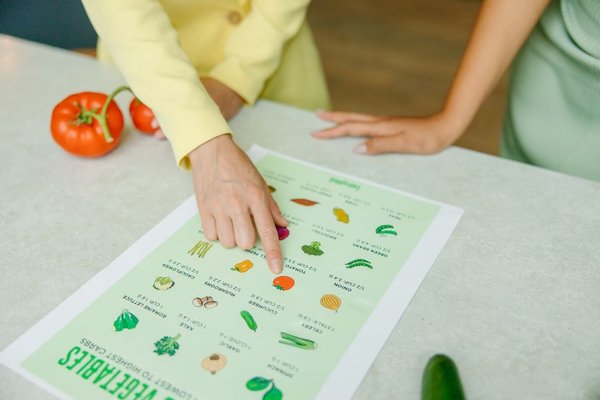
Companion planting works best as practical garden design, not as a set of magical pairings. Useful combinations save space, support beneficial insects, reduce pest pressure, or place crops with compatible needs together. Many popular “never plant these together” rules come from tradition, while stronger evidence supports diversity, trap crops, flowering herbs, sensible spacing, and crop rotation.
How to Use This Companion Planting Guide
Start with the crop you most want to protect or harvest, then choose neighbours that solve a specific problem. Low-growing lettuce can fill bare soil beneath taller plants. Flowering dill or cilantro can feed beneficial insects. Basil and thyme may make it harder for some pests to locate tomatoes. Beans can share vertical space with corn, while squash covers the ground below.
In most gardens, “avoid” does not mean two plants poison each other. Poor pairings usually fail because plants compete for sunlight, moisture, nutrients, root room, or airflow. Crops in the same botanical family may also attract the same pests and diseases, making outbreaks harder to manage.
Vegetable Companion Planting Chart
Tomatoes
Plant with basil, thyme, onions, lettuce, carrots, and flowering sweet alyssum. Basil has shown value in reducing some thrips and moth egg-laying around tomatoes, while lettuce and carrots use space below the canopy early in the season. Avoid placing tomatoes beside potatoes in a tight bed because both are nightshades and share several pest and disease problems. Corn can also be a poor close neighbour in a small plot because it casts shade, competes heavily, and can host corn earworm, also called tomato fruitworm.
Carrots
Carrots fit well with onions, lettuce, radishes, peas, and early greens. These crops have different root depths and growth habits, so they can share a bed efficiently. Radishes germinate quickly and can mark slow carrot rows. Avoid planting carrots where potatoes will later be dug, because harvesting tubers can disturb developing roots. Give mature fennel and large dill plants enough distance so they do not shade a closely spaced row.
Broccoli, Cabbage, Kale, and Other Brassicas
Useful companions include thyme, sage, dill, onions, nasturtiums, marigolds, and flowering cilantro. Diverse plantings and aromatic herbs can reduce damage from cabbage loopers, imported cabbageworms, and diamondback moths in some settings. Mustard, arugula, and napa cabbage can work as trap crops for flea beetles, but they must be monitored and managed before pests move back to the main crop. Avoid crowding large brassicas together without adequate airflow.
Cucumbers, Squash, and Pumpkins
Plant with nasturtiums, dill, alyssum, radishes, beans, and pollinator-friendly flowers. Nasturtiums have evidence behind their use near squash for reducing squash bug pressure, while a steady supply of flowers supports the bees needed for fruit set. Blue Hubbard squash can act as a trap crop for cucumber beetles and squash pests, but it must be treated as a sacrificial crop. Avoid packing several sprawling cucurbits into a small bed, where tangled leaves restrict airflow and hide pests.
Beans and Peas
Beans and peas grow well with corn, cucumbers, radishes, carrots, and leafy greens. Pole beans can climb a trellis or sturdy corn, while bush beans fit between slower-growing crops. Legumes host nitrogen-fixing bacteria, although most of that nitrogen supports the legume during the current season rather than instantly feeding nearby vegetables. Avoid placing vigorous pole beans where they will shade or smother short crops.
Sweet Corn
Corn pairs naturally with pole beans, squash, cowpeas, buckwheat, and other flowering plants. The classic corn-bean-squash arrangement combines height, climbing growth, and ground cover. Flowering companions can also increase predators and parasitoids of corn pests. In a small garden, avoid positioning corn south of sun-loving vegetables, where the stalks may block hours of direct light. Tomatoes are usually easier to manage in a separate bed because both crops are demanding feeders and can share fruitworm pressure.
Lettuce, Spinach, and Other Greens
Leafy greens are among the easiest plants that grow well together with carrots, onions, radishes, peas, cilantro, and dill. Their shallow roots and short harvest window make them useful fillers around slower crops. In warm weather, carefully positioned tomatoes or trellised cucumbers can provide afternoon shade. Avoid burying greens beneath dense squash foliage or placing them where mature crops will block all morning light and airflow.
Potatoes
Potatoes can share a wider garden area with beans, peas, calendula, and low flowers that attract beneficial insects. Leave enough room for hilling and harvest. Keep potatoes separate from tomatoes and eggplants when possible because these related crops share Colorado potato beetles, blights, and other problems. Do not grow potatoes beneath sprawling squash vines, since digging tubers will damage vines and compact their root zone.
Pair Plants for a Clear Purpose
The best pairings are built around functions. Mix plant heights to use sunlight efficiently, but position tall crops where they will not shade shorter sun lovers. Combine shallow-rooted greens with deeper-rooted vegetables. Add flowering herbs as natural pest deterrents through habitat, scent masking, and support for beneficial insects. Match crops with similar irrigation needs, and leave room for mature size rather than spacing seedlings by appearance.
For example, in a 4-by-8-foot raised bed, place two trellised tomatoes along the north edge, basil and thyme around their bases, carrots through the centre, and a short row of lettuce along the south side. The tomatoes receive full sun without shading the bed, herbs increase diversity, carrots occupy deeper soil, and lettuce is harvested before the tomato canopy becomes large.
Vegetables to Avoid Planting Together
Separate crops when they share serious pests, require very different watering, or compete for the same space. Tomatoes, potatoes, and eggplants do not need total isolation, but dividing them between beds makes monitoring and rotation easier. Keep tall corn away from the sunny side of short crops, contain mint in pots, and give pumpkins room to roam. Above all, avoid repeating the same plant family in one bed year after year, since crop rotation often prevents more problems than any companion pairing.
Frequently Asked Questions
Does companion planting really repel pests?
Sometimes, but results depend on the plant, pest, layout, and local conditions. Stronger evidence supports diverse plantings, trap crops, flowering herbs, and combinations that confuse pests or attract natural enemies. No pairing replaces regular inspection.
What vegetables should not be planted next to tomatoes?
Potatoes are the clearest practical separation because they share several pests and diseases with tomatoes. Corn may also be inconvenient in a small bed because of shade, nutrient competition, and shared fruitworm pressure.
Can many companion crops share one raised bed?
Yes, provided every crop has enough mature space, sunlight, water, and airflow. A diverse bed can be productive, but overcrowding cancels many intended benefits.
Are marigolds good companions for every vegetable?
Marigolds add diversity and flowers for beneficial insects, but they are not a universal pest shield. Their effect varies by pest species and planting design, so use them as one part of a broader garden plan.
Build Pairings Around Your Garden
A companion planting chart is a starting point, not a rigid rulebook. Choose pairings that fit your bed size, climate, schedule, and pest concerns. When crops share resources sensibly and the garden includes herbs, flowers, rotation, and airflow, companion planting creates a healthier, easier-to-manage vegetable garden.