
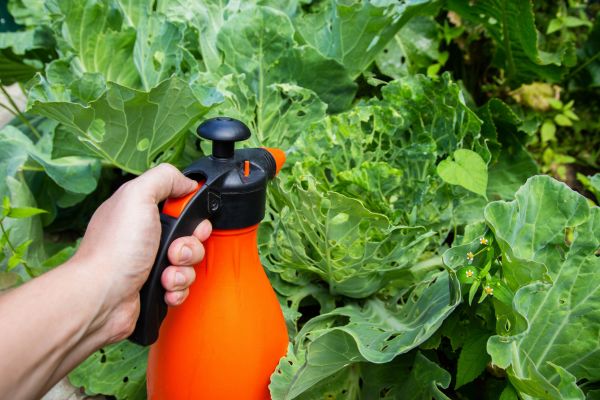
A healthy garden has its own rhythm. Leaves stretch toward the light, flowers open quietly in the morning, and vegetables seem to double in size after a warm rain. Then, almost without warning, something starts chewing the edges of your basil. Rosebuds curl before they bloom. Tomato leaves look tired and speckled. That is often when gardeners discover the less charming side of outdoor growing: pests.
The subject of garden pests and solutions can feel overwhelming at first because every tiny insect seems suspicious. But not every bug is an enemy, and not every damaged leaf means disaster. A good garden is full of life, and part of learning to grow well is learning which visitors to watch, which to welcome, and which to manage before they take over.
Understanding Pest Problems Before They Spread
Garden pests rarely appear out of nowhere. They usually show up when conditions suit them. Tender new growth, overwatered soil, crowded planting, weak plants, or long stretches of warm weather can all create the perfect setting for insects and other pests to settle in.
The first step is observation. A few holes in leaves may not matter much, especially on strong plants. But repeated damage, sticky residue, curled leaves, yellowing patches, or visible clusters of insects deserve attention. Looking closely in the morning or evening often reveals more than a quick midday glance. Many pests hide under leaves, along stems, or near the soil surface.
Good pest control begins before reaching for any treatment. A plant that is watered correctly, spaced well, and grown in healthy soil can handle a surprising amount of stress. Weak plants, on the other hand, attract trouble faster and recover more slowly.
Aphids and the Sticky Clues They Leave Behind
Aphids are among the most common garden pests. They are small, soft-bodied insects that gather on new shoots, flower buds, and the undersides of leaves. They may be green, black, yellow, or even pinkish, depending on the species and plant.
The first sign is often distorted new growth. Leaves may curl, buds may fail to open properly, and the plant may feel slightly sticky. That stickiness comes from honeydew, a sugary waste aphids leave behind. Sometimes ants appear too, because they are drawn to it.
A simple solution is to spray the affected plant with a steady stream of water, especially under the leaves. This knocks aphids loose and often breaks up the colony. For heavier infestations, insecticidal soap can help when used carefully and directly on the pests. Ladybugs and lacewings are natural aphid predators, so planting flowers like dill, fennel, calendula, and yarrow can help invite beneficial insects into the garden.
Slugs and Snails After Rainy Weather
Slugs and snails are nighttime feeders, so gardeners often notice the damage before seeing the culprit. Their work is easy to recognize: ragged holes in leaves, missing seedlings, and shiny slime trails across soil, pots, or paving.
They love damp, shaded areas. Mulch, dense groundcover, old boards, and wet leaves can become hiding places. Seedlings, lettuce, hostas, strawberries, and tender herbs are especially tempting.
One practical method is evening handpicking, unpleasant but effective. Going out with a small container after rain or watering can reduce numbers quickly. Keeping the garden tidy also helps. Remove old plant debris, lift pots occasionally, and avoid creating constantly damp corners. Copper tape around containers can discourage snails, while shallow traps can reduce activity, though they should be used with care so they do not attract more pests than they catch.
Caterpillars on Leaves and Vegetables
Caterpillars can be charming in theory and destructive in practice. They chew leaves quickly and may hide along stems or under foliage. Cabbage worms, tomato hornworms, and other larvae can strip plants faster than expected, especially when they are young and hungry.
The signs are usually obvious: chewed leaves, dark droppings on foliage, and sometimes whole sections of a plant disappearing. On brassicas like cabbage, kale, and broccoli, small green caterpillars blend so well with leaves that they are easy to miss.
Handpicking is one of the simplest solutions for small gardens. Check leaves regularly, especially underneath. Floating row covers can protect vegetables from egg-laying moths and butterflies, particularly early in the season. Encouraging birds, wasps, and other natural predators also helps create balance. For severe outbreaks, gardeners sometimes use biological controls, but these should be chosen carefully and applied only when needed.
Whiteflies and Tiny Clouds Around Plants
Whiteflies are small, pale insects that fly up in little clouds when disturbed. They often gather on the undersides of leaves and feed by sucking plant sap. They are common in warm gardens, greenhouses, and sheltered patios.
Plants affected by whiteflies may develop yellowing leaves, weak growth, and sticky honeydew similar to aphid damage. Because they reproduce quickly, small populations can become frustrating if ignored.
Regular inspection is important. Gently shaking plants can reveal their presence. Yellow sticky traps may help monitor adult whiteflies, especially in greenhouse settings. Removing heavily infested leaves can slow the spread. Insecticidal soap or horticultural oil may also help, but coverage must be thorough because whiteflies hide underneath leaves. As with many garden pests and solutions, consistency matters more than one dramatic treatment.
Spider Mites in Hot, Dry Conditions
Spider mites are tiny, almost dust-like pests that thrive in hot, dry weather. They are not insects, but they can cause serious plant stress. Their feeding leaves fine speckling on leaves, and in heavier infestations, delicate webbing may appear between stems and leaves.
Plants may look faded, dry, or dusty even when watered. Beans, tomatoes, cucumbers, roses, and many indoor-outdoor plants can suffer from spider mite damage.
The first solution is improving moisture around the plant without overwatering the soil. A gentle rinse of the foliage, especially under the leaves, can reduce mite numbers. Avoid letting plants become drought-stressed, because dry conditions make the problem worse. Insecticidal soap or horticultural oil may help when used carefully, but repeated applications are often needed. Removing badly damaged leaves can also give the plant a better chance to recover.
Japanese Beetles and Chewed Flowering Plants
Japanese beetles are easy to recognize by their metallic green bodies and copper-colored wings. They feed on leaves and flowers, often leaving behind a lace-like skeleton of veins. Roses, grapes, beans, and many ornamentals can become targets.
These beetles tend to gather in groups, which means damage can build quickly. Handpicking in the early morning is one of the most effective low-impact approaches because the beetles are slower when temperatures are cool. Drop them into soapy water and repeat daily during peak activity.
Some traps can attract beetles from surrounding areas, so they are not always ideal for small gardens. A more balanced approach is to reduce adults by hand, keep plants healthy, and avoid panic over minor feeding. Strong plants can often outgrow limited damage.
Fungus Gnats and Soil That Stays Too Wet
Fungus gnats are tiny flying insects often seen around pots, seed trays, and houseplants moved outdoors. The adults are annoying, but the larvae live in damp soil and may damage delicate roots, especially in seedlings.
The main cause is overly wet soil. Letting the top layer dry between waterings is often the best solution. Good drainage, clean pots, and fresh potting mix can prevent problems from returning. For seed starting, avoid constantly saturated trays. A light hand with watering does more than many gardeners realize.
This is a good reminder that pest management is not always about killing pests. Sometimes the simplest fix is changing the condition that invited them in.
Keeping Beneficial Insects on Your Side
A garden without insects is not really a healthy garden. Bees, hoverflies, ladybugs, lacewings, ground beetles, parasitic wasps, and spiders all play useful roles. Some pollinate plants. Others eat pests. Many do quiet work that gardeners barely notice.
Using harsh treatments too often can disturb this balance. It may remove the pest for a moment but also reduce the predators that would have helped keep future outbreaks under control. A gentler approach usually works better over time.
Planting a mix of flowers, herbs, vegetables, and shrubs creates a more resilient space. Small flowers are especially useful for attracting beneficial insects. Leaving a little habitat, such as low groundcover or a quiet corner with leaves, can also support natural predators.
Simple Habits That Prevent Pest Trouble
Prevention is rarely dramatic, but it is powerful. Rotate vegetable crops when possible, especially tomatoes, peppers, beans, and brassicas. Clean up diseased or heavily infested plant material instead of leaving it to decay beside healthy plants. Water at the base rather than soaking leaves late in the day. Give plants enough room for air to move.
Checking plants often is perhaps the most underrated habit. A few aphids are easier to remove than a large colony. One caterpillar is easier to spot before it becomes five. When gardeners walk through their plants regularly, they begin to notice small changes before they become real problems.
Healthy soil also matters. Compost, mulch, and steady watering help plants grow stronger roots and better foliage. Strong plants are not pest-proof, but they are less likely to collapse under pressure.
Choosing the Right Solution for the Right Pest
There is no single answer to every garden pest problem. The right solution depends on the pest, the plant, the season, and the level of damage. A light infestation may only need water spray or hand removal. A repeated outbreak may call for pruning, row covers, or a change in watering habits.
The best approach is usually layered. Identify the pest first, reduce the immediate damage, improve plant health, and encourage natural balance. This keeps the garden from becoming dependent on constant treatments.
When looking at garden pests and solutions, it helps to think like a gardener rather than a fighter. The goal is not to defeat every insect. The goal is to protect the plants while keeping the garden alive, diverse, and steady.
A Calmer Way to Grow Through Pest Problems
Every garden has pests. Even experienced gardeners deal with chewed leaves, curled shoots, and mysterious damage now and then. What changes with time is the response. Instead of reacting with worry, you learn to look closer. You notice patterns. You understand which problems need action and which are simply part of the season.
Simple solutions often work best because they support the garden rather than disrupt it. Healthy soil, regular observation, gentle removal, natural predators, and thoughtful planting all make a difference. Pest control becomes less about emergency fixes and more about everyday care.
In the end, a thriving garden is not perfect. It has a few bite marks, a few surprises, and plenty of small lessons tucked between the leaves. With patience and attention, garden pests become manageable, and the solutions become part of the quiet rhythm of growing.