
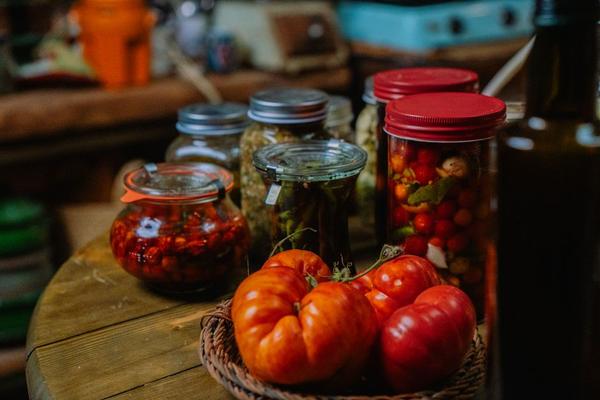
A productive garden can move from exciting to overwhelming in a matter of days. Beans reach picking size together, tomatoes crowd the counter, and root crops are ready before you can use them fresh. Learning how to preserve homegrown vegetables lets you stretch that harvest across months instead of racing to eat everything immediately. The best method depends on the crop, how you plan to cook it later, and the storage space you have.
Choose the Preservation Method Before You Pick
Preservation works best when vegetables are harvested at good eating quality and handled promptly. Overripe, damaged, or diseased produce will not improve in a jar, freezer bag, or cellar. Sort the harvest first, using bruised pieces quickly and saving sound produce for longer storage.
Think about the final use too. Green beans destined for soups and side dishes freeze well. Cucumbers are better suited to tested pickle recipes than plain canning. Potatoes, onions, carrots, beets, and winter squash may keep for weeks or months under suitable storage conditions without being canned or frozen. Matching the method to the crop saves both time and freezer space.
Freezing Garden Vegetables for Everyday Cooking
Freezing is one of the easiest food preservation methods for gardeners because it requires less equipment than canning and preserves the quality of many vegetables well. Peas, green beans, broccoli, cauliflower, corn, spinach, carrots, and other crops are good candidates when prepared correctly.
Blanch Most Vegetables First
For most vegetables, blanching is a key step before freezing. Brief exposure to boiling water or steam slows enzyme activity that can otherwise reduce flavor, color, and texture during storage. Blanching time varies by vegetable and piece size, so use a tested timetable rather than guessing. After blanching, cool the vegetables quickly in cold or ice water, drain well, and package them promptly.
For example, if you pick a large basket of green beans, trim and cut them while a large pot heats. Blanch them for the recommended time, chill them immediately, drain thoroughly, then pack meal-size portions in freezer bags. Remove as much air as practical, label with the date, and freeze. Portioning the harvest for one dinner at a time makes it far easier to use later.
Package for Better Freezer Quality
Air exposure encourages freezer burn and quality loss, so use containers or bags made for freezing. Keep the freezer at 0°F (-18°C) or below for dependable long-term frozen storage. Freezing is also useful for vegetables that are not good candidates for home canning in certain forms. Pureed pumpkin or winter squash, for instance, is better frozen because tested home-canning recommendations do not cover the puree.
Canning Vegetables at Home Safely
Canning is useful when you want shelf-stable food that does not depend on freezer space, but vegetables require careful safety practices. Most fresh vegetables are low-acid foods. They need a tested pressure-canning process because boiling-water temperatures are not sufficient to control the botulism risk in low-acid foods.
Use Tested Recipes and the Correct Canner
When canning vegetables at home, follow current instructions from a trusted home-preservation authority. Use the specified jar size, preparation method, processing time, pressure, and altitude adjustment. Do not shorten processing times, thicken recipes, increase low-acid ingredients, or substitute a small pressure cooker when a pressure canner is required.
Pickled vegetables and properly acidified tomato products are different. They may be suitable for boiling-water canning when a tested recipe says so. The recipe determines the safe method; taste, appearance, or a family tradition cannot confirm that a process is safe.
Store Home-Canned Food Properly
After jars cool and seals are checked, label them with the contents and date. Store sealed jars in a cool, dark, dry place rather than a hot garage, attic, or cabinet beside an appliance. Before opening a jar, discard it if the seal has failed or you see leakage, bulging, spurting liquid, unusual odor, or other signs of spoilage.
Use Root Cellar Storage for Crops That Prefer It
Root cellar storage can be the least labor-intensive option because the vegetables stay whole and uncooked. However, crops have different needs. Many root vegetables keep best in cold, moist surroundings, while onions and garlic prefer drier storage. Winter squash generally stores better in a cool, dry place than in a damp cellar.
A useful storage area should provide stable cool temperatures, appropriate humidity, darkness, ventilation, and protection from rodents. If you do not have a traditional cellar, an unheated basement area, insulated storage room, or refrigerator can work for selected crops, although shelf life may be shorter when conditions are not ideal.
Inspect stored vegetables regularly and remove anything soft, moldy, or decaying before it affects nearby produce. Keep crops with different moisture needs separate. A harvest timing guide, vegetable storage chart, or crop-curing guide can also help you decide what should be stored and what should be used first.
Match Each Crop to Its Best Method
A mixed harvest rarely needs one solution. Freeze broccoli, peas, chopped peppers, and blanched beans for quick meals. Pressure-can only vegetables and combinations covered by tested instructions. Store sound potatoes, carrots, beets, onions, garlic, and winter squash under conditions suited to each crop. Tomatoes can be frozen, dried, or canned using tested acidification and processing directions, depending on how you want to use them.
This approach prevents preservation from becoming an all-day emergency. Instead of trying to can everything, divide the harvest by its best use and by the storage space you actually have. A small freezer, a few shelves for jars, and a cool storage area can work together surprisingly well.
Frequently Asked Questions
What is the easiest way to preserve homegrown vegetables?
Freezing is often the simplest starting point because the equipment is basic and many garden vegetables freeze well. Most vegetables should be blanched first using the recommended time for that specific crop.
Can I can vegetables in a boiling-water canner?
Most plain vegetables are low-acid foods and require pressure canning with a tested process. Boiling-water canning is appropriate for acid foods and properly acidified or pickled products when a tested recipe specifically calls for it.
Which vegetables are best for root cellar storage?
Potatoes, carrots, beets, turnips, and similar storage crops can keep well under suitable cold conditions, while onions and garlic need drier conditions. Winter squash also stores well but generally prefers a cool, dry environment.
Should vegetables be washed before long-term storage?
It depends on the method. Vegetables prepared for freezing or canning are washed as part of processing. For dry or root-cellar storage, excess surface moisture can encourage decay, so many crops are stored after loose soil is gently removed and the produce is properly cured when needed.
Preserve the Harvest in the Form You Will Use
The best preservation plan is the one that turns garden abundance into food you will actually cook. Combine freezing, safe canning, and appropriate cool storage instead of forcing every crop into the same method. Start with high-quality produce, follow tested safety guidance where heat processing is involved, label everything clearly, and note what your household uses most. Next season, that simple record can guide how much you grow, harvest, and preserve.