
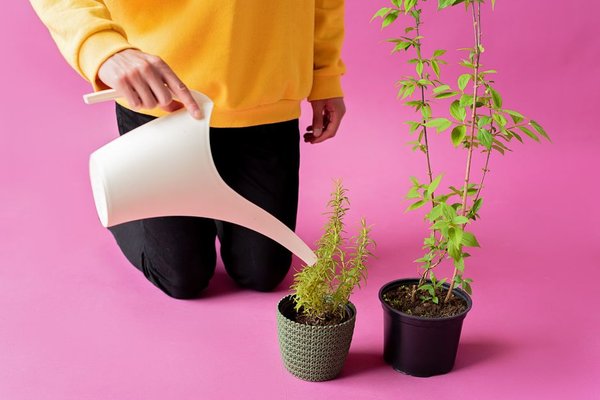
How often to water herbs depends less on the calendar than on what is happening around their roots. A basil plant on a sunny kitchen windowsill may need a drink while the rosemary beside it is still perfectly comfortable in drier compost. Move both outdoors during a heatwave, and their needs change again. The reliable approach is to check the soil, then water according to the herb, its container and the weather.
The quick answer: check before you water
For most potted herbs, check moisture every day or two, especially in warm weather, but do not automatically water every time you check. Leafy herbs such as basil, mint, parsley and coriander generally prefer soil that stays lightly moist. Rosemary, thyme, sage and oregano usually do better when the upper layer dries between waterings. Neither group benefits from sitting in waterlogged soil.
Outdoor herbs planted in garden beds can often be watered deeply about once a week during dry growing-season weather, depending on rainfall, soil and establishment. Containers may dry much faster; on hot, windy days, some need attention daily. These are starting points for observation, not fixed instructions.
How to tell whether an herb actually needs water
Push a finger roughly an inch into the potting mix. For basil or mint, water when the upper layer feels dry and the soil beneath is beginning to lose moisture. For rosemary or thyme, allow more of the upper mix to dry first, while avoiding prolonged, complete drying of the root ball. In a deep pot, a wooden skewer can help you judge moisture below the surface.
Lift smaller pots occasionally. A container that feels noticeably lighter than it did just after watering is often drying out. This simple comparison becomes more useful than a rigid herb watering schedule once you know your plants.
When it is time, pour water slowly onto the soil until it runs from the drainage holes. Let the excess drain away and empty any saucer. Repeated tiny splashes may wet only the surface while leaving deeper roots dry. If the mix has become so dry that water races down the sides, water gradually in several passes to help it absorb moisture.
Indoor herbs: slower drying, but not always
Indoor herbs usually face less wind and rain than outdoor plants, so their pots may stay damp longer. However, a bright south-facing window, radiator or dry indoor air can speed evaporation. Check each pot individually instead of watering the whole windowsill together.
Basil, mint, parsley and coriander
These leafy herbs need fairly consistent moisture to support tender growth. Check the top inch regularly and water when it starts drying. Basil in a small, warm pot may need water every few days, while the same plant in a larger container could go longer. Mint can tolerate more moisture than rosemary, but its roots still need air and drainage.
Rosemary, thyme, sage and oregano
These Mediterranean-style herbs generally prefer well-drained soil with drying time between drinks. A pot that still feels damp below the surface does not need another watering just because three days have passed. Rosemary should not be left bone-dry for extended periods, particularly in a small indoor pot. For setup advice, choosing containers for herbs is worth exploring before changing your watering routine.
Outdoor pots versus herbs in the ground
Outdoor container herbs often need more frequent watering because their roots are confined. Small pots, terracotta containers, strong sunshine and wind all increase drying. During a hot spell, inspect them daily and water whenever the root zone needs it. Large pots with moisture-retentive mix may go longer, especially in milder conditions.
Garden-bed herbs have access to a wider soil volume. Established plants may need a thorough soaking roughly weekly during dry weather, but sandy ground can dry faster and clay-rich soil can stay wet longer. Newly planted herbs need closer monitoring while their roots spread. Rainfall counts as watering only if it has actually moistened the soil around the roots.
Build a herb watering schedule that adapts
Think of your schedule as a reminder to inspect plants, not an appointment to pour water. Begin by checking indoor pots every day or two and exposed outdoor containers daily in summer. If the soil is still moist enough, skip watering and check again later.
For example, imagine a kitchen basil plant and a patio rosemary plant on a Thursday morning. The basil’s top inch feels dry, so you water thoroughly and drain the saucer. The rosemary’s surface looks pale, but a skewer reveals damp compost deeper down, so you leave it alone. By Saturday, hot wind may have dried the outdoor pot enough to water, while the indoor basil might still be moist. Same household, different decisions.
Signs of overwatered and underwatered herbs
Overwatered herbs may yellow, stop growing or wilt despite wet soil. A sour smell, persistently saturated potting mix or soft stems can point to serious root trouble. Reduce unnecessary watering, confirm the pot drains properly and check whether the mix is compacted. Simply moving a struggling herb into stronger sunlight will not solve a waterlogged root zone.
Underwatered herbs often have dry, lightweight soil, drooping leaves and sometimes crisp edges. Water thoroughly and allow time for recovery. Very dry potting mix can repel water at first, so rewet it slowly. Wilting alone is not proof of thirst: check the soil before deciding, because overly wet roots can also cause wilting.
If leaves keep turning yellow even after the watering routine improves, diagnosing yellow leaves on herbs can help distinguish moisture problems from light, temperature or nutrient issues.
Common questions about watering herbs
Should I water my herbs every day?
Not automatically. Check outdoor pots daily in hot weather, but only water when the soil needs it. Indoor herbs and garden-bed plants often need less frequent watering.
Is it better to water herbs in the morning or evening?
Early morning is a useful default outdoors because roots receive moisture before the day’s heat. Early evening also works when necessary. Direct water at the soil rather than soaking leaves.
Do basil and rosemary need the same amount of water?
No. Basil prefers more evenly moist soil, while rosemary needs a well-drained mix that dries somewhat between waterings. Separate pots make their different needs easier to manage.
Can rain replace watering outdoor herbs?
Yes, if enough rain reaches the root zone. Pots beneath roofs, dense foliage or balconies may receive little water, even during a storm. Test the soil before skipping or adding irrigation.
Keep the soil, not the calendar, in charge
The best answer to how often to water herbs is to match each plant’s preferences to its growing conditions. Check below the surface, water deeply when needed, and let excess moisture escape. Once you notice how quickly basil, mint, thyme and rosemary dry in your own space, watering herbs becomes a simple observation rather than a guessing game.