
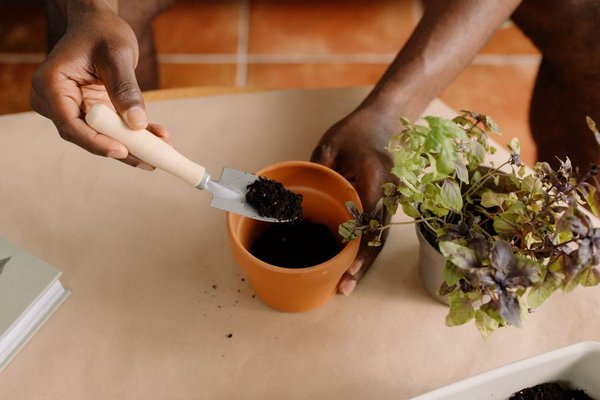
Two pots of basil can receive the same sunlight and water, yet one flourishes while the other develops yellow leaves and tired roots. Often, the difference is beneath the surface. A good herb garden soil mix holds enough moisture for roots to drink, then releases excess water so those roots can breathe.
There is no perfect recipe for every herb. Rosemary and thyme appreciate a faster-drying home than mint or parsley. The useful question is not which bag says “herb soil,” but how a mix behaves after watering.
What Healthy Herb Roots Need From Soil
Healthy roots need air as well as water. Tiny gaps between particles allow oxygen to reach roots and excess water to escape. When a mix compacts or remains saturated, those gaps fill with water. Roots can struggle even when the plant appears to have plenty to drink.
The best soil for herbs balances open texture, moderate moisture retention and enough nutrients for steady growth. It should feel crumbly rather than sticky, and should not turn into a hard brick between waterings. More fertilizer is not automatically better; excessive feeding can produce soft, lush growth, particularly in Mediterranean herbs grown for their aromatic leaves.
Start With the Right Ingredients
Potting mix as the foundation
For containers, begin with a quality, lightweight potting mix, preferably peat-free where suitable products are available. Many contain coir, composted bark or other materials that store moisture while leaving air spaces. Avoid filling ordinary herb pots with straight garden soil: its finer particles often settle densely in a pot, slowing drainage.
Coarse material for aeration
Perlite or horticultural grit can improve the structure of a dense mix. Use coarse, clean material intended for growing plants, not fine construction dust or decorative pebbles. A layer of gravel at the bottom of a pot does not fix poor drainage in the mix above. Drainage holes and the texture throughout the container matter much more.
Compost for gentle nutrition
Finished compost contributes organic matter and nutrients, but large amounts can make a container blend heavy or too moisture-retentive. A commercial potting mix may already contain compost and starter fertilizer, so check its label before adding more. For outdoor beds, compost helps improve soil structure over time.
A Practical Herb Potting Mix for Different Plants
For rosemary, thyme, sage and oregano, try three parts quality potting mix and one part perlite or coarse horticultural grit, measured by volume. This is a starting blend, not a fixed requirement: a potting mix that already drains quickly may need no amendment. Water it once before planting to see whether moisture moves through evenly.
For basil, parsley, chives and mint, start with a standard well-draining potting mix. If it dries unusually fast, a modest amount of finished compost can help retain moisture. These herbs still need drainage; they simply prefer more consistent moisture than rosemary or thyme. Mint is often easiest to manage in its own container because it spreads vigorously.
Here is a useful test. Fill two identical pots with your planned herb potting mix. Water both thoroughly and allow them to drain. The next day, feel the mix a finger’s depth below the surface. If it is soggy and heavy, increase aeration or reconsider the base mix. If it is powder-dry almost immediately, consider a moisture-retaining potting mix or a larger pot. Test before planting a whole windowsill collection.
Adjusting Herb Garden Soil Outdoors
In a garden bed, improve existing soil rather than replace it with potting media. Work finished compost into the planting area where the soil is poor or compacted, without tilling when it is wet. For heavy clay, raised beds can provide a better-drained root zone. Mixing a little sand into clay rarely solves drainage problems and may make the texture worse.
Group herbs by their water needs. A sunny, well-drained spot suits many Mediterranean herbs, while parsley and mint appreciate more moisture. If you are planning a mixed planting, the companion guide to growing herbs in raised beds can help with placement and spacing.
Does Soil pH Matter for Herbs?
Most common culinary herbs perform well in slightly acidic to near-neutral soil; a broad garden guideline is about pH 6.0 to 7.5. Individual species vary, and healthy plants are a better guide than chasing one exact number. If a bed has persistent growth problems, use a reliable soil test before adding lime or sulfur. Do not adjust pH blindly, especially in commercial potting mixes already formulated for container growing.
Let the Mix Guide Your Watering
Even excellent soil for potted herbs can fail under a rigid watering schedule. Check moisture below the surface instead of relying on the calendar. Water thoroughly until excess runs from the drainage holes, then empty the saucer. For rosemary and thyme, allow the mix to dry somewhat before watering again. For basil and parsley, aim for more even moisture without soaking the roots.
Pot size, airflow, sunlight and temperature change how quickly a mix dries. A small terracotta pot on a warm balcony may need attention sooner than a large plastic planter indoors. For help interpreting those differences, see watering herbs in containers. Indoor growers can also benefit from choosing the right pots for kitchen herbs, especially when decorative outer pots conceal standing water.
When the Mix Is Sending a Warning
Persistent wetness, a sour smell or leaves yellowing while soil stays damp can indicate poor drainage or damaged roots. Remove the plant carefully and inspect for dark, mushy roots before repotting in fresh, airy mix. Conversely, water running down the sides of a dry root ball can mean the media has become difficult to rewet. Moisten it gradually and thoroughly instead of adding fertilizer.
Watch the pattern, not one symptom. Yellow leaves can also result from poor light or nutritional problems. The drainage test, pot weight and root condition together reveal more than a single leaf ever will.
Frequently Asked Questions
Can I use regular potting soil for herbs?
Yes. A good quality, well-draining potting mix works for many herbs. For rosemary or thyme, add coarse aeration material if the original mix stays wet too long.
Is garden soil suitable for indoor herb pots?
Usually not by itself. Garden soil can compact in containers and may introduce weeds or pests. A lightweight container mix offers more predictable moisture and airflow around roots.
Should every herb have the same soil mix?
No. Rosemary, thyme and sage generally favor faster drainage, while basil, parsley and mint prefer more consistent moisture. A shared base mix can work if you adjust watering and group compatible plants.
How often should I replace herb potting mix?
Refresh or repot when the mix breaks down, compacts, drains poorly or the plant becomes root-bound. For long-lived potted herbs, inspect roots and media periodically rather than replacing soil on a fixed schedule.
Build for Roots, Not Just Leaves
A reliable herb garden soil mix does not need an elaborate ingredient list. Start with a suitable base, protect its airy structure, and choose amendments according to the herb and container. Once drainage and moisture are balanced, watering becomes easier to judge and herbs have a better foundation for healthy growth.