
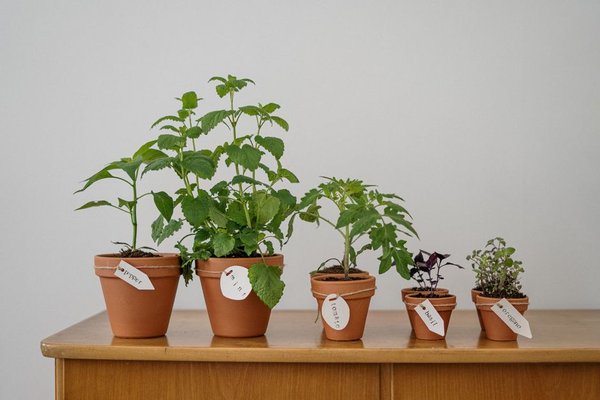
Growing herbs in pots puts fresh flavour within reach, even if your outdoor space is a balcony, doorstep or windowsill. The secret is not squeezing the most plants into one container. It is giving each herb enough root space, light and the right amount of moisture. Get those basics right and a small collection of pots can outperform a crowded garden bed.
Start with the light you have
Before buying plants, watch your chosen spot throughout a clear day. Rosemary, thyme, oregano and sage favour sun and relatively dry conditions once established. Basil likes sun and warmth but needs more consistent moisture. Parsley, chives and mint tolerate some partial shade, especially in hot climates.
A balcony receiving six hours of direct sunlight offers different possibilities from a kitchen window receiving only two. In a dimmer location, parsley or chives may be a more sensible choice than sun-loving rosemary. If indoor plants become pale and stretched, they probably need more light.
Choose herbs that fit your space and cooking
A starter container herb garden could include basil for summer meals, parsley for regular picking, chives for garnishes and thyme for savoury dishes. Each grows well in containers, but their care requirements are not identical.
Keep mint in its own pot: its spreading underground stems can crowd out neighbouring herbs. Give rosemary and sage room as they mature. When combining plants in a trough, group those with similar moisture needs, such as thyme and oregano, rather than pairing thyme with thirsty mint.
Choose pots for roots, not appearances
For many individual young herbs, a container around 20–25 cm (8–10 inches) wide and deep is a practical starting point. Long-lived rosemary generally benefits from a pot at least 30 cm (12 inches) wide and deep. Match the container to the current root ball, increasing its size gradually instead of surrounding a tiny plant with a large mass of wet compost.
Terracotta dries relatively quickly, which can suit drought-tolerant herbs but demands closer attention in summer. Plastic and glazed pots retain moisture longer. Choose stable containers for exposed balconies, where tall foliage can catch the wind.
Make drainage a priority
Every pot must have drainage holes. Water needs to pass through the mix and escape freely. If you use a decorative outer planter, remove any water that collects underneath. Stones at the bottom cannot replace holes and do not fix waterlogged compost. Raising a pot slightly off a solid surface may help keep its holes clear.
Use suitable compost and allow breathing room
Ordinary garden soil can compact inside pots. Use quality multipurpose potting mix instead, preferably peat-free. For Mediterranean herbs such as thyme and rosemary, adding suitable horticultural grit can improve drainage. Mint and parsley generally appreciate a mix that holds moisture without becoming soggy.
When potting herbs, moisten the mix, place each plant at approximately its previous growing depth and leave room below the rim for watering. Firm gently around the roots, then water thoroughly. Avoid burying the stem base or compressing the mix into a hard block.
In shared containers, plan for mature plants rather than their nursery size. Crowded leaves reduce airflow, and crowded roots compete for water. If a trough becomes congested, move a plant to its own pot rather than cutting everything back constantly.
Water according to the plant and weather
A fixed watering schedule rarely works for potted herbs. Push a finger about 2–3 cm (1 inch) into the compost. Basil and parsley may need water when the upper layer feels dry, while established rosemary and thyme generally prefer more drying between waterings. None benefits from remaining waterlogged.
Water slowly until moisture emerges from the drainage holes, then empty any saucer. A quick daily splash may wet the surface without reaching roots. Hot, windy days dry containers rapidly; cool, cloudy weather slows moisture loss. A dedicated herb garden watering guide can help you recognise the difference between dry and overwatered plants.
During active growth, leafy herbs may benefit from occasional balanced fertiliser at the label rate. Feed conservatively, especially with rosemary and thyme. Excess fertiliser can produce soft growth without improving flavour.
Harvest to encourage new leaves
Begin picking once plants have enough growth to recover. On basil, snip a tip just above a leaf pair to encourage side shoots. Cut chive leaves near the base and take outer parsley stems while leaving the centre growing. Remove small leafy sprigs from woody herbs rather than cutting far into old, bare stems.
Frequent, modest harvests work better than stripping a plant nearly bare. If pruning feels uncertain, a guide to pruning herbs for a bigger harvest can show where new shoots develop. Removing developing basil flower tips can also extend the supply of tender leaves.
Adapt as the seasons change
Containers are movable, which makes weather protection easier. Acclimatise indoor-grown herbs gradually to outdoor sunshine and wind. Keep tender basil protected until frost risk has passed and nights are reliably warm. In extreme summer heat, soft-leaved plants may appreciate some afternoon shade.
During cold or persistently wet winters, shift hardy perennial herbs into sheltered, bright positions where their roots will not sit saturated. Roots inside pots freeze more readily than roots in garden soil. Mint may disappear above ground and return in spring; basil usually cannot survive frost outdoors.
Recognise problems before they spread
Yellow leaves with persistently wet compost may signal poor drainage or root trouble. Wilting in dry compost suggests thirst, but wilting in wet compost can indicate damaged roots. Look beneath leaves for aphids, and improve airflow if mildew appears.
For example, if balcony basil droops every afternoon, check the compost before watering again. When it is already moist, intense heat or wind may be the cause. Moving the pot away from harsh afternoon exposure could help more than another soaking.
Frequently asked questions
Can I grow herbs in pots indoors?
Yes, if they receive enough light and airflow. A bright window works for some herbs, but indoor light is often weaker than expected. During darker months, a suitable grow light may help.
Which herbs can share a container?
Thyme and oregano suit similar sunny, well-drained conditions. Basil and parsley can share a larger pot if their water needs are monitored. Mint is usually better grown separately.
How often should I repot my herbs?
Check for tightly circling roots, unusually rapid drying or slowing growth. Fast-growing plants may need attention within a season; perennial herbs may stay longer. Repot or divide when genuinely crowded.
Why do supermarket herbs die so quickly?
Many are densely planted and raised under protected conditions. Sudden outdoor exposure, overcrowded roots and inconsistent watering can stress them. Gradually acclimatise them and divide congested clumps where appropriate.
A manageable garden starts with a few pots
Growing herbs in pots works best when you begin small and observe each plant. Put sun-loving herbs in the brightest spot, give thirsty varieties easier access to water and harvest regularly. With appropriate drainage, spacing and seasonal care, a few potted herbs can provide fresh ingredients without a garden bed.