
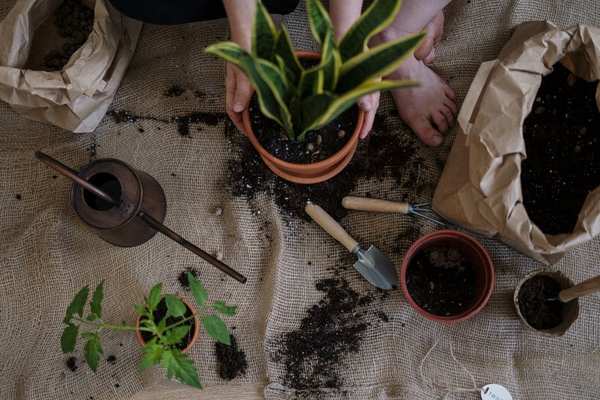
An indoor herb garden for beginners can be as simple as a few pots beside a bright kitchen window. Fresh basil for pasta, parsley for soups and chives for breakfast make everyday meals feel a little more homegrown. The trick is choosing herbs that suit your light and learning when they need water.
Start with two or three plants, rather than an entire shelf. Once you understand their habits, growing more kitchen herbs becomes much easier.
Start With the Light You Have
Before buying plants, watch where sunlight falls in your home. Most culinary herbs perform best with at least six hours of direct sun daily. A window can look bright to your eyes while providing too little light for strong growth, especially during winter.
South-facing windows are often sunniest in the Northern Hemisphere; north-facing windows usually have that advantage in the Southern Hemisphere. Avoid cold draughts, radiators and leaves pressed against freezing glass. The brightest room is more important than keeping every pot in the kitchen.
Should You Buy a Grow Light?
If natural light is limited, a small full-spectrum LED grow light can help. Follow its placement instructions and try around 12 to 14 hours daily on a timer, adjusting to the plant’s response. Allow a dark period too. Thin stems leaning toward the window often signal insufficient light.
Choose Herbs That Fit Your Cooking
Basil offers fragrant leaves for salads and tomato dishes but needs warmth and strong light. Chives stay fairly compact and work well with eggs and potatoes. Parsley is versatile and likes steady moisture without soggy roots. Mint grows vigorously and suits drinks, sauces and salads.
Thyme prefers bright light and soil that dries somewhat between waterings. Rosemary can be more challenging indoors because it needs strong light and excellent drainage. For beginner herb gardening, basil, chives and parsley make a useful starting trio in a sunny spot.
Give mint a separate pot because its spreading roots can crowd neighbours. If your windows are dim, try mint or parsley under supplemental lighting rather than expecting basil to thrive in a shady corner.
Choose Pots and Potting Mix Carefully
Every container needs drainage holes. Place a plain nursery pot inside a decorative cover if you prefer, but empty trapped water after watering. Pebbles at the bottom are no substitute for drainage.
Use a light, good-quality container potting mix instead of dense garden soil. Small established herbs often do well in pots roughly 15 to 20 cm wide, although the right size depends on their roots. Oversized pots may stay wet for too long.
Separate pots let you give moisture-loving parsley different care from thyme. For more ideas, see our guide to choosing pots for indoor plants.
Plant Your First Indoor Herbs
Seeds or Starter Plants?
Young nursery plants provide the quickest route to a modest harvest. Look for healthy leaves, firm stems and no visible pests. Seeds are inexpensive and offer more varieties, but they require patience. Basil and chives can be started from seed; parsley may germinate slowly.
Pot Them Up
Moisten the potting mix slightly, set each plant at about its previous depth and gently fill around the roots. Water until some drains from the holes, then empty the saucer. Place pots in their chosen spot and let them settle before harvesting heavily.
For example, position basil nearest a bright window, parsley alongside it and mint where harsh afternoon sun is less intense. Rotate pots if growth leans toward the glass. Our guide to starting herbs from seed is a useful next step if you prefer sowing.
Water the Soil, Not the Calendar
Check moisture before watering herbs indoors. Push a finger about 1 cm into the mix. If it feels dry, many herbs are ready for water; if damp, check again later. Temperature, light and pot size affect how quickly soil dries, so a fixed daily schedule rarely works.
Water thoroughly and let the excess drain away. Mint and parsley generally prefer more even moisture, while thyme and rosemary should dry further between drinks. Basil likes consistent moisture but not waterlogged roots.
Feed lightly during active growth if container nutrients become depleted. A diluted balanced fertilizer, used according to its label, is usually enough. Too much fertilizer does not automatically mean better flavour.
Harvest Without Weakening the Plant
Regular, modest harvesting can encourage fresh growth. Pinch basil stems just above a pair of leaves to promote branching. Cut chives near their base rather than pulling them out, and take mature outer parsley stalks while preserving the centre.
Let newly repotted herbs establish first, and never strip a small plant bare. Remove forming basil flower buds if you want more tender foliage. Our guide to pruning basil for bushier growth explains the technique further.
Fix Common Indoor Herb Problems
Yellow leaves with constantly wet soil may mean overwatering or poor drainage. Crispy foliage can suggest prolonged dryness, though heat and other stresses can contribute. Long, weak stems often mean insufficient light. Check conditions before adding fertilizer.
Inspect leaf undersides for aphids or spider mites if you see curling, speckles or sticky residue. Isolate affected plants and use only treatments labelled for edible crops, following directions. Space containers apart for airflow.
Follow a Simple First-Month Routine
During week one, focus on light and checking soil moisture. In week two, look for fresh leaves and notice which pot dries fastest. In week three, take small harvests from thriving plants. By week four, adjust any poor lighting or watering habits.
A quick phone note is surprisingly useful. Parsley might need a drink while thyme remains damp after several cloudy days. Observe each pot rather than treating them identically.
Frequently Asked Questions
Can I grow herbs indoors all year?
Many herbs can grow year-round with suitable light, warmth and watering. Growth often slows in winter, and some plants, including basil, eventually need replacing.
Which herbs are easiest for beginners?
Chives, parsley and mint are approachable with proper care. Basil is also rewarding when you can provide a warm, sunny location.
Can multiple herbs share a container?
Yes, if they have similar moisture needs and enough space. Separate containers are easier initially, particularly for vigorous mint.
How soon can I harvest?
Healthy starter plants may supply a little foliage after settling in. Seed-grown herbs take longer. Wait for substantial new growth before cutting.
Keep Your First Garden Manageable
Successful beginner herb gardening comes from a handful of repeatable habits: provide good light, allow drainage, check the soil and harvest gently. Start small, notice how each plant responds and enjoy adding genuinely fresh flavour to everyday cooking.