
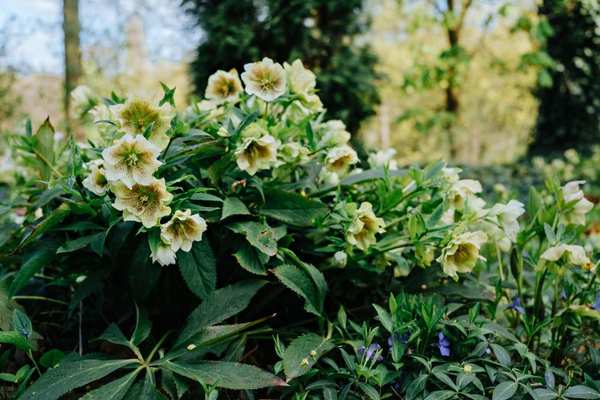
Clay soil can make a flower border feel like two different gardens. In spring, the ground stays cold, sticky and slow to drain. By midsummer, the same soil may crack into hard blocks. The trick is not simply finding flowers labelled “clay tolerant.” It is choosing plants for the particular combination of moisture, sunlight and seasonal changes in your bed.
Many flowering plants for heavy soil perform beautifully once established. Some enjoy moisture-retentive ground, while others handle firm clay provided their crowns are not left underwater. Watch how your soil behaves after rain, then build the planting scheme around what you find.
First, Work Out How Wet Your Clay Really Gets
Clay particles hold water and nutrients, but tightly packed soil contains fewer air spaces. Roots need oxygen as well as moisture, so ground that remains saturated can cause poor growth or rot even in plants described as suitable for clay.
Check the bed a day after substantial rain. Does water still sit on the surface? Is the soil merely damp beneath the top layer? Also check conditions during a dry spell: some clay beds become surprisingly dry near trees, walls or paving.
Think of your garden in three zones: clay that drains slowly but eventually dries, reliably damp clay, and spots that stay waterlogged for extended periods. The third category needs drainage improvements, a raised planting area or plants genuinely adapted to wet conditions.
Best Perennials for Clay Soil in Sunny Borders
Black-Eyed Susan
Rudbeckia, especially established varieties such as ‘Goldsturm’, brings golden, dark-centred flowers to a sunny border in late summer. It is a reliable choice for moisture-retentive clay that does not remain flooded. Leave the seedheads standing for winter interest.
Sneezeweed
Helenium produces warm yellow, orange and copper-toned daisies in summer and early autumn. It appreciates fertile soil that holds some moisture, making it useful where lighter-soil flowers struggle in dry weather. Give it plenty of sun and avoid planting into a permanently saturated hollow.
Hardy Geranium
Hardy cranesbills are useful lower-growing clay soil flowers, especially where you need plants to cover bare earth between taller perennials. Choose a variety suited to your light levels; not every geranium has identical moisture requirements. Once established, many can manage ordinary clay without constant attention.
Flowers for Damp Clay and Partial Shade
Astilbe
Astilbe’s soft plumes look particularly effective in partial shade, where its roots can stay consistently moist. It may struggle in clay that bakes dry each summer, so mulch the surrounding ground and water during prolonged dry periods. Moist does not mean submerged: drainage still matters.
Siberian Iris
Siberian iris produces elegant blooms above upright, narrow leaves, usually in late spring or early summer. It tolerates heavier, moisture-retentive soil better than many bearded irises. A bright position with consistent moisture is ideal, though established clumps can handle some variation.
Primulas and Ligularia
For naturally damp sites, consider moisture-loving primulas or ligularia. Primulas provide spring or early-summer colour, depending on the species, while ligularia brings bold foliage and yellow summer flowers. Both need care during dry spells; ligularia leaves may wilt in hot sunshine.
What About Annuals for Clay Soil?
Annuals can brighten gaps quickly, but they often need finer, warmer seedbeds than clay provides early in the season. Instead of forcing seeds into cold, sticky ground, raise young plants in modules or wait until the soil becomes workable.
Busy Lizzies, or impatiens, can work in sheltered, partially shaded clay if it stays moist but drains. In brighter spots, consider sunflowers on slightly raised, improved ground with good drainage. Calendula can fill sunny gaps, but it prefers free-draining conditions and is a better choice for a raised strip than a soggy low point.
For annuals for clay soil, the planting position often matters more than the flower’s reputation. A raised pocket may grow a seasonal display while the adjoining lower area remains too wet.
Prepare the Ground Without Making Clay Worse
The most damaging time to dig clay is when it is wet enough to smear. Working it then can compress the soil into dense clods. Wait until a handful crumbles under gentle pressure instead of forming a shiny, sticky lump.
Spread well-rotted compost or other bulky organic matter across the bed. Where digging is appropriate, incorporate it through a broad area rather than creating one soft planting hole surrounded by dense clay. Over time, organic matter can improve structure and make the surface easier to manage.
Do not assume a few bags of sand will solve drainage. Small amounts rarely change heavy clay enough to justify the effort. A raised bed or modestly mounded border is often more practical, especially for flowers that cannot tolerate water around their crowns.
Planting, Watering and Preventing Root Problems
Set plants at the correct depth, with the top of the root ball generally level with the surrounding soil. Avoid burying crowns deeply. Water after planting to settle soil around the roots, then check moisture below the surface before watering again. Clay may look dry on top while staying damp underneath.
Apply an organic mulch around established plants, keeping it clear of stems and crowns. This helps moderate moisture swings and reduces surface crusting. Use stepping stones or a permanent path to avoid compacting beds whenever the soil is wet.
Imagine a border where rain collects beside a downpipe but the far end dries under a fence. Put moisture-loving primulas or Siberian iris near the damp section, if it does not remain flooded, and rudbeckia or hardy geranium in the firmer, sunnier area. That adjustment is often more effective than treating every square metre alike.
Related reading on improving clay garden soil, watering perennial flower beds and flowers for partial shade can help you fine-tune the rest of the border.
Frequently Asked Questions
What flowers grow best in clay soil?
Rudbeckia, helenium, hardy geraniums, Siberian iris and astilbe are useful options, depending on sun exposure and how wet the ground remains. Match each plant to actual drainage conditions, not just soil texture.
Can flowers survive waterlogged clay?
Some species tolerate consistently wet ground, but few common border flowers thrive with roots submerged for long periods. Improve drainage or raise planting areas where puddles persist, and reserve genuinely wet zones for suitable moisture-loving plants.
Should I add sand before planting flowers in clay?
Usually not. Meaningful changes to clay texture require far more coarse material than most gardeners can practically add. Organic matter, reduced compaction and raised planting areas are generally more useful first steps.
How often should I water flowers growing in clay?
There is no fixed schedule. Check moisture at root depth, especially after rain. Newly planted flowers need closer monitoring, while established plants often require less frequent watering than those growing in fast-draining sand.
A Better Border Starts With the Right Match
Choosing flowers for clay soil is less about battling the ground and more about noticing its patterns. Use tough sun-loving perennials where clay eventually drains, moisture lovers in reliably damp pockets, and raised planting areas where water lingers. Improve the soil gradually, protect it from compaction and give each plant the conditions it needs. Heavy ground can support a colourful flower garden without pretending it is light, sandy soil.