
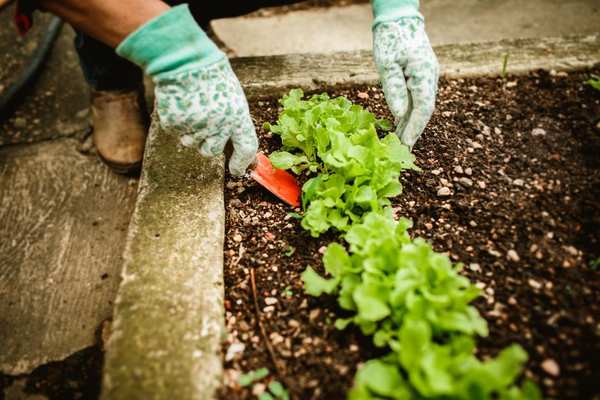
Succession planting turns a fixed amount of garden space into a longer harvest window. Instead of sowing an entire crop at once, plant smaller batches at carefully timed intervals. As one planting reaches its peak, the next approaches maturity. In raised beds or compact plots, that rhythm can mean steady vegetables from spring into autumn rather than a brief glut followed by empty beds.
Plan Around Harvest Windows
The most useful way to plan a succession planting vegetable garden is to work backward from the harvest. Seed packets list days to maturity, but those numbers are estimates. Temperature, day length, soil moisture, variety, and transplant shock all affect growth. A radish advertised at 30 days may take longer in cold spring soil and mature faster once conditions improve.
Use the calendar as a framework, not a rigid rule. Quick crops such as radishes and salad greens often suit intervals of one to three weeks. Longer-producing crops such as bush beans or cucumbers may need wider gaps. The aim is to avoid one large harvest followed by several unproductive weeks.
Use Three Succession Planting Methods
Repeat the Same Crop in Smaller Batches
Instead of sowing a full row of lettuce, carrots, beets, radishes, cilantro, or bush beans at once, divide the space into smaller sections. Sow each section on a different date. A simple succession planting schedule might include a short row of radishes every 10 to 14 days in spring or a small patch of bush beans every few weeks in early summer.
Replace Finished Crops With New Ones
Succession planting also means handing the same patch of soil from one vegetable to another as the season changes. Early spinach or peas may be followed by beans. Spring radishes can make room for cucumbers. Early potatoes can be followed by autumn greens. This approach is especially useful in a small garden because productive space does not sit empty for long.
Overlap Crops Carefully
You can also start the next crop while the current one is still producing. Young plants initially need less room, so seedlings can sometimes be placed where space will soon open. For example, fall kale can be raised in modules while summer beans finish, then transplanted when the beans decline. Keep the overlap brief so young plants are not starved of light, water, or airflow.
Build a Practical Succession Planting Schedule
Start with your average last spring frost and first autumn frost, then focus on vegetables you actually eat. Estimate how long each crop occupies its space, including germination, growth, harvest, and any productive period after the first picking. A crop that matures in 55 days but keeps producing for another three weeks ties up the bed longer than the packet number suggests.
Next, mark the gaps that will appear through the season. A continuous harvest garden works better when you reserve room for future sowings instead of filling every square metre on the first warm weekend.
For a practical example, imagine a 1.2-metre raised bed used partly for salads. Sow a small section of radishes and loose-leaf lettuce in early spring, a second section about two weeks later, and a third after another two weeks. When the first radishes are pulled, reuse that space. As summer heat arrives, stop repeating heat-sensitive lettuce and switch to vegetables that prefer warmth. Later, restart cool-season greens early enough to establish before short autumn days slow growth.
Adjust for Temperature and Day Length
Calendar spacing alone is not enough. Lettuce, spinach, peas, radishes, and many brassicas prefer cool conditions, while beans, cucumbers, squash, and basil need warmth. If you keep sowing spinach every two weeks into hot weather, later batches may bolt quickly or germinate poorly. A smarter plan pauses cool-season sowings during the hottest period and resumes them for autumn.
Late-season crops also need extra time because growth slows as daylight decreases. A vegetable that matures quickly in spring may need longer in autumn. Add a buffer rather than relying on the fastest maturity estimate. In colder climates, row covers, cold frames, or low tunnels can help protect later crops and extend the harvest window.
Keep Soil Productive Between Successions
After removing a finished crop, clear weeds and diseased debris, add mature compost when needed, and maintain consistent moisture. Heavy feeders may require additional fertility, but fertilizer should match the crop and, ideally, soil-test results rather than being applied automatically after every harvest.
Crop rotation for vegetables can also reduce repeated pest and disease pressure. In a compact garden, a perfect multi-year rotation is often unrealistic, but changing plant families where practical is still useful. Following peas with carrots, for example, changes both the root pattern and plant family. Repeatedly planting a problem-prone family in the same spot can allow soil-borne issues to persist.
Choose Varieties That Extend the Season
Variety selection can stretch production without adding more space. Mix early, midseason, and later varieties, or choose cultivars bred for heat tolerance, cold tolerance, slow bolting, or disease resistance. Harvest style matters too. Loose-leaf lettuce, chard, kale, and some herbs can be picked gradually, so a good plan often combines repeat sowing with cut-and-come-again harvesting.
Track What Really Happens
The best schedule is built from your own records. Note sowing dates, transplant dates, first harvest, final harvest, and unusual weather. After one season, you may discover that your second bean sowing should happen earlier or that autumn carrots need an extra couple of weeks. A simple notebook or spreadsheet is enough.
Frequently Asked Questions
What vegetables are best for succession planting?
Fast crops such as radishes, lettuce, spinach, arugula, baby beets, turnips, and herbs are excellent choices. Bush beans, carrots, peas, cucumbers, and some summer squash can also work well when timing and climate are suitable.
How often should I plant for a continuous harvest?
There is no single interval for every vegetable. Quick greens and radishes may be sown every one to three weeks, while beans or cucumbers usually need wider spacing between sowings. Use maturity time, expected harvest duration, and local weather to set the interval.
Can succession planting work in raised beds?
Yes. It is especially useful in raised beds and small gardens because the same space can produce several crops during one growing season. Reserve some room for later sowings and avoid excessive overlap between mature and young plants.
Do I need to rotate crops between every succession?
No, but changing plant families when practical can support soil health and reduce repeated pest or disease pressure. In very small beds, prioritize healthy soil, sanitation, resistant varieties, and avoiding the same disease-prone crop family in one spot year after year.
Make Every Bed Work Through the Season
Succession planting is less about squeezing plants into every gap and more about managing the garden as a sequence. When sowing dates, harvest windows, weather preferences, and crop replacement are planned together, a small plot can remain productive far longer than a one-time spring planting allows. Start with two or three vegetables you use often, record how long they actually occupy the bed, and refine the timing each season. That steady adjustment is what turns a busy vegetable patch into a reliable continuous harvest garden.