
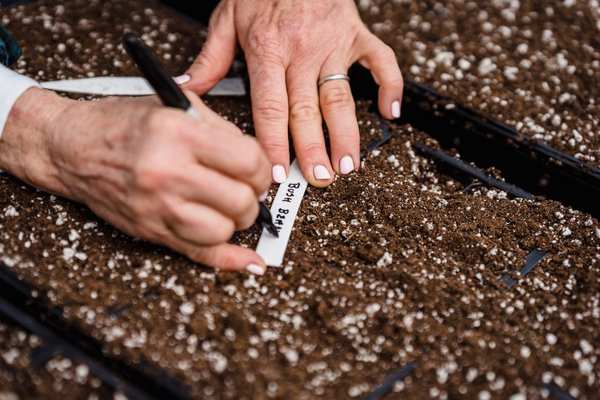
Choosing between direct sowing and transplanting can look like a small technical decision, but it often determines how smoothly a vegetable garden gets started. Sow the wrong crop in a tray and you may end up with tangled roots, stalled growth, or seedlings that never recover after planting out. Direct sow a slow, heat-loving crop too late and you may lose valuable weeks of the growing season. The best method depends on how each vegetable grows, how sensitive its roots are, and how much time it needs before harvest. That choice can save seed, time, space, and frustration through the busiest spring weeks.
Direct sow vs transplant vegetables: the simplest rule
Direct sowing means placing seed in the garden where the plant will complete its life cycle. Transplanting means starting seed in a container, cell tray, or protected nursery area, then moving the young plant into its final outdoor position later.
A useful rule is to direct sow crops that grow quickly, dislike root disturbance, or produce an edible root that can be damaged by moving. Transplant crops that benefit from a head start, need warm conditions for germination, or take a long time to reach harvest.
When direct sowing works best
Direct sowing is usually better when a crop germinates readily outdoors and gains little from being started early indoors. It also avoids transplant shock because the roots develop in place from the beginning.
Vegetables commonly suited to direct sowing
A practical direct sow vegetable list includes carrots, radishes, turnips, beetroot, peas, beans, sweetcorn, spinach, and many salad greens. Carrots and radishes are especially good examples because their developing roots can become forked, twisted, or misshapen if disturbed.
Peas and beans can be started in containers, but direct sowing is often simpler once soil conditions are suitable. Sweetcorn is also commonly direct sown, although short-season gardeners sometimes start it in modules.
Among seeds that shouldn’t be transplanted casually, root crops deserve the most caution. Parsnips, carrots, and radishes are poor candidates for routine transplanting because the edible root itself is sensitive to disturbance.
When transplanting gives you an advantage
Transplanting is valuable when the outdoor growing season is shorter than the crop’s natural timetable. Starting seedlings under cover lets them develop while soil is still cold or weather is unsettled.
Tomatoes, peppers, aubergines, broccoli, cabbage, cauliflower, kale, and many lettuces are commonly transplanted successfully. Warm-season crops such as tomatoes and peppers benefit especially from protected early growth because they need warmth and a relatively long season.
Transplants can also use bed space efficiently because the next crop can develop in trays while another finishes outdoors. A seed starting calendar is a natural internal reference for matching indoor sowing dates to planting windows.
Root disturbance sensitive plants need a different approach
Not every crop fits neatly into a direct-sow-only or transplant-only category. Cucumbers, courgettes, pumpkins, squash, melons, and other cucurbits are often treated as root disturbance sensitive plants. They can be transplanted, but they do best when moved young and with minimal disruption to the root ball.
If you want an early start, sow individual seeds in small pots or modules rather than crowded communal trays. Plant them out before they become root-bound, and avoid pulling roots apart. In warm conditions, direct sowing may be easier and can produce equally strong plants.
A real-world example: carrots and tomatoes
Imagine a beginner preparing one bed for carrots and another for tomatoes. Starting both indoors may seem efficient, but it creates unnecessary problems for the carrots. Their taproots begin developing almost immediately, so moving them later risks distortion. Direct sowing carrot seed into finely prepared soil is the safer choice.
The tomatoes are different. If they are direct sown outdoors only after warm weather arrives, they may start several weeks behind transplants. Starting tomato seedlings indoors, then planting them out after frost risk has passed and conditions are warm, gives them more time to flower and ripen fruit.
Transplanting seedlings outdoors without losing momentum
A common mistake is moving protected seedlings straight into full outdoor conditions. Indoor-grown plants have not yet adapted to strong sun, wind, cooler nights, and faster moisture loss. A gradual hardening-off period helps them adjust.
When transplanting seedlings outdoors, introduce them to outside conditions progressively over several days, increasing exposure as they become tougher. Keep the root ball moist, transplant during mild weather when possible, and water after planting so soil settles around the roots. A hardening off seedlings guide is another useful internal linking opportunity for readers at this stage.
Which method is easier and more economical?
Direct sowing usually needs less equipment and labour. The trade-off is that seeds face outdoor hazards immediately, including heavy rain, drying soil, birds, slugs, and variable temperatures.
Transplanting takes more preparation but gives greater control during germination and early growth. The downside is root restriction, transplant shock, and seedlings becoming too large if planting is delayed.
For most gardens, the best answer is a mixed strategy rather than choosing one method for everything. A succession planting guide can also help coordinate direct-sown crops and transplants across the season.
Common beginner mistakes to avoid
Do not start every vegetable indoors simply because you have seed trays available. Match the method to the crop. Avoid keeping transplants in small cells for too long because crowded roots can slow establishment. With direct-sown crops, pay close attention to seed depth and soil moisture, as the surface can dry quickly during germination.
Also avoid planting warm-season transplants into cold soil simply because the calendar says it is time. Weather, soil conditions, and local frost risk matter more than a fixed date.
Frequently asked questions
Is direct sowing better than transplanting?
Neither method is universally better. Direct sowing suits many fast-growing and root-sensitive crops, while transplanting is better for vegetables that benefit from a protected head start or need a longer growing season.
Which vegetables should not normally be transplanted?
Carrots, parsnips, and radishes are among the clearest examples because disturbing their developing roots can affect shape and growth. Peas and beans are also commonly direct sown, although they can be transplanted carefully in some situations.
Can cucumbers and squash be transplanted?
Yes. They are sensitive to root disturbance but can be transplanted successfully when started individually and moved while young, with the root ball kept intact.
How large should seedlings be before transplanting?
There is no single ideal size for every vegetable. Seedlings should be sturdy, actively growing, properly hardened off, and not root-bound. Younger, well-established plants often recover more quickly than oversized seedlings held too long in small containers.
Choose the method crop by crop
The most reliable planting plan uses direct sowing and transplanting as complementary tools. Sow carrots, radishes, peas, beans, and other disturbance-sensitive crops where they will grow. Give tomatoes, peppers, brassicas, and similar long-season vegetables a head start when your climate makes that useful. For cucumbers and squash, either method can work if you protect the roots.
Once you stop treating seed starting as a one-method-fits-all job, early-season decisions become much easier. The goal is not to transplant more plants or direct sow more seed. It is to give each vegetable the start that matches the way it naturally grows.