
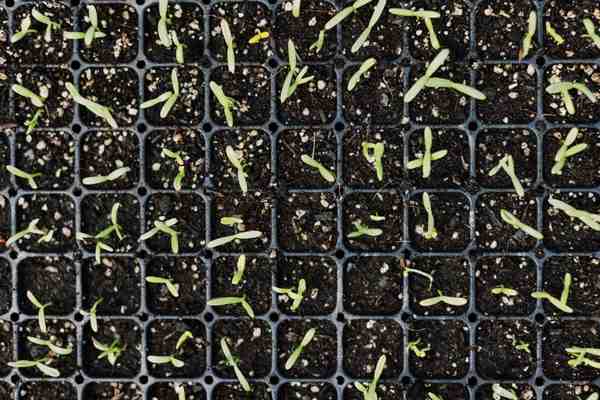
Starting vegetable seeds indoors is less about memorizing a date on the calendar and more about working backward from the right outdoor planting time. For most U.S. gardeners, the key reference point is the average last spring frost date. Seed packets then tell you how many weeks before that date a crop should be started indoors.
USDA hardiness zones describe typical winter minimum temperatures, but they do not directly give your last frost date. Two gardens in the same zone can have different spring timing because of elevation and local geography. Use your zone as broad context, then build your seed starting schedule around local frost data.
Start with your average last spring frost date
Find the average last frost date for your town or county using a reliable local extension service or climate resource. Once you have it, count backward by the number of weeks each crop needs indoors. This creates a much more dependable indoor seed starting guide than planting every vegetable on the same weekend.
For example, if your average last frost is May 10 and tomatoes need six weeks indoors, a late-March sowing date is sensible. Peppers and eggplants usually need longer, while cucumbers and squash are started much later or direct-sown.
Typical indoor starting times by vegetable
Onions and leeks
Onions and leeks are among the earliest vegetables commonly started indoors. Many gardeners begin them roughly 10 to 12 weeks before the expected last spring frost. They grow slowly at first, so the extra indoor time helps produce sturdy transplants.
Peppers and eggplants
Peppers and eggplants are warm-season crops with relatively slow early growth. Starting them about 8 to 10 weeks before the last frost is common. They also need warm germination conditions and should not be rushed outdoors simply because the calendar says spring has arrived.
Broccoli, cabbage and related crops
Broccoli, cabbage and cauliflower are cool-season vegetables and are often started about 6 to 8 weeks before their intended transplant date. Because they tolerate cooler conditions better than tomatoes or peppers, they may be transplanted before warm-season crops, depending on local conditions and the variety.
Tomatoes
Tomatoes usually need about 5 to 8 weeks indoors before transplanting. University of Minnesota Extension recommends starting tomatoes around five to six weeks before planting outside. Starting them too early can produce tall, root-bound plants before outdoor conditions are suitable.
Cucumbers, squash and melons
These fast-growing crops generally need much less indoor time. If you start them inside at all, about 3 to 4 weeks before transplanting is often enough. Their roots dislike disturbance, so many gardeners either use individual containers or direct-sow them after soil and air temperatures warm.
A practical zone-by-zone planning guide
A USDA zone planting calendar should be treated as a rough seasonal guide, not a substitute for local frost data. The colder the region, the later spring usually settles in, but frost dates can vary greatly even within a single zone.
Zones 3 and 4
Gardeners in colder northern regions often have late spring frosts and shorter growing seasons. Long-season crops such as onions, peppers and eggplants may need an early indoor start, while tomatoes are usually started later so they are ready near the local transplant window. In many areas, warm-season crops cannot safely go outside until May or even early June.
Zones 5 and 6
Indoor sowing often runs from February through April, depending on the crop and local frost date. Onions and slow-growing peppers tend to come first, followed by brassicas and tomatoes.
Zones 7 and 8
Spring usually arrives earlier, so the seed-starting calendar shifts forward. Gardeners may begin some crops in January or February, but local conditions still matter. Southern Zone 8 can have a very different last frost date from a higher-elevation Zone 8 location elsewhere.
Zones 9 and 10
In warm regions, the traditional late-winter schedule may not fit. Cool-season vegetables may grow through fall and winter, while warm-season transplants start much earlier. Later, summer heat can become the bigger limitation.
Do not start every crop indoors
Some vegetables perform better when sown directly in the garden. Carrots, radishes, beets and many peas are commonly direct-sown because transplanting can be unnecessary or disruptive. Beans and corn also grow quickly from seed once the soil is warm enough.
Build a seed starting schedule that actually works
Write your average last frost date at the top of a page or spreadsheet. Then list each crop and count backward according to its recommended indoor growing time. Add a separate transplant date because seed-starting time and outdoor planting time are not always the same thing.
Allow about one to two weeks for hardening off, gradually exposing seedlings to outdoor light, wind and temperature changes. Moving tender seedlings straight from a warm indoor setup to full sun and cool nights can stress them badly.
Avoid the most common timing mistake
Starting too early often feels productive, but it can create weak seedlings. Plants kept indoors too long may become leggy, crowded or root-bound. They can also outgrow the available light and container space before the garden is ready.
If you are unsure, it is usually better to start fast-growing crops slightly later rather than dramatically earlier. Healthy compact seedlings often establish more quickly than oversized transplants that have spent too long indoors.
Useful related topics to explore next include how to harden off seedlings, the best seed-starting mix for vegetables, and how to transplant seedlings without shock.
FAQ
Can I use my USDA zone to find my exact seed-starting date?
No. USDA hardiness zones describe average annual extreme minimum winter temperatures. They do not provide an exact last frost date. Use your zone for broad planning and local frost data for actual spring timing.
How many weeks before the last frost should I start seeds?
It depends on the crop. Tomatoes often need about 5 to 8 weeks, peppers and eggplants around 8 to 10 weeks, and onions or leeks about 10 to 12 weeks. Always check the seed packet for variety-specific guidance.
What happens if I start vegetable seeds too early?
Seedlings may become tall, crowded or root-bound before they can be planted outside. They can also require more potting-up, lighting and indoor space than expected.
Should I use the average last frost or the latest frost ever recorded?
Most planting schedules use the average last frost as a planning reference, but it is not a guarantee. Watch the short-term weather forecast and protect or delay tender transplants if unusually cold conditions are expected.
Let frost timing lead the calendar
The best answer to when to start seeds indoors begins with your local last spring frost date, not your hardiness zone alone. Use that date, count backward for each vegetable, and leave time for hardening off before transplanting. USDA zones help describe your broader climate, but local frost timing turns that climate information into a practical planting schedule. Once you build the habit of working backward from outdoor planting dates, seed starting becomes far more predictable from year to year.