
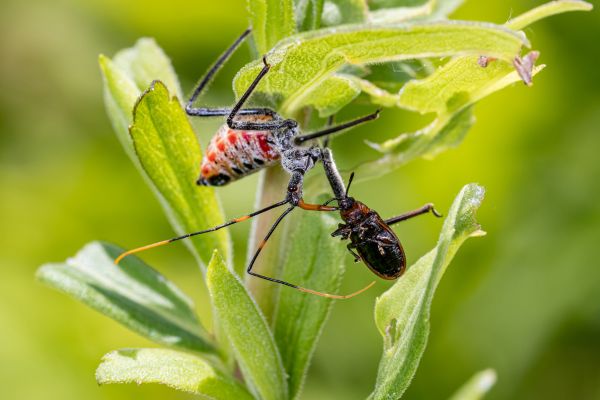
A healthy garden is never truly quiet. Look closely on a warm morning and you will see tiny wings moving between flowers, beetles crawling beneath leaves, and slender insects patrolling stems as if they have been given a job. In many ways, they have. Beneficial insects in gardens play a quiet but powerful role in keeping plants productive, balanced, and resilient.
For a long time, many gardeners were taught to see insects as the enemy. If something had six legs, it was treated as a problem. But gardens are living systems, not spotless showrooms. Some insects chew leaves or weaken plants, yes. Others pollinate flowers, eat pests, improve soil health, and help keep the whole garden from tipping into chaos. Learning the difference changes the way you garden.
Instead of reaching for sprays at the first sign of trouble, it helps to ask a better question: which insects do I want to invite in?
Why Beneficial Insects Matter in a Garden
Beneficial insects are the garden’s natural workforce. Some are pollinators, moving pollen from flower to flower so fruits, vegetables, and seeds can form. Others are predators, feeding on aphids, mites, caterpillars, and other pests that can quickly overwhelm tender plants. A few act as decomposers, breaking down organic matter and helping nutrients return to the soil.
Their value is not just practical. A garden filled with helpful insects often feels more alive. There is movement, balance, and a sense that nature is participating rather than being controlled from the outside. When beneficial insects in gardens are encouraged, pest problems often become less dramatic because there is already a natural response in place.
That does not mean every plant will be perfect. A few nibbled leaves are part of the deal. But the goal is not perfection. The goal is a garden that can recover, adapt, and keep growing without constant intervention.
Ladybugs and Their Appetite for Aphids
Ladybugs are probably the most familiar beneficial insect, and for good reason. Both adult ladybugs and their larvae feed on soft-bodied pests, especially aphids. Aphids gather on new growth, flower buds, and the undersides of leaves, where they suck plant juices and leave behind sticky residue. If left unchecked, they can weaken plants quickly.
The larvae of ladybugs look very different from the bright red adults people usually recognize. They are small, dark, and almost alligator-like in shape, which sometimes causes gardeners to mistake them for pests. That is unfortunate, because ladybug larvae are often even hungrier than the adults.
To attract ladybugs, grow small-flowered plants such as dill, fennel, cilantro, alyssum, and yarrow. These plants provide nectar and pollen when pest populations are low. Avoid broad insect sprays, even organic ones, because they can harm the very insects you are trying to protect.
Lacewings, the Delicate Garden Hunters
Green lacewings look almost too fragile to be useful, with their pale green bodies and transparent wings. But their larvae are serious predators. Sometimes called aphid lions, lacewing larvae feed on aphids, whiteflies, thrips, mites, and small caterpillars.
They are especially helpful in vegetable gardens, rose beds, and areas where tender new growth attracts pests. Adult lacewings feed mostly on nectar, pollen, and honeydew, so they need flowering plants nearby to stay in the garden.
Plants with umbrella-shaped or clustered flowers are particularly attractive to lacewings. Dill, Queen Anne’s lace, cosmos, coriander, and sweet alyssum can all help create the kind of habitat they prefer. A garden with continuous blooms through the season gives them a reason to remain rather than pass through.
Bees and the Work of Pollination
No conversation about beneficial insects in gardens feels complete without bees. Honeybees get much of the attention, but native bees are just as important, and in some gardens, even more effective. Bumblebees, mason bees, leafcutter bees, and many tiny solitary bees visit flowers in search of nectar and pollen.
Their work directly affects harvests. Tomatoes, squash, cucumbers, berries, herbs, fruit trees, and many ornamentals depend on pollination to produce well. A garden with poor pollinator activity may still grow green and leafy, but fruiting plants often disappoint.
To support bees, plant flowers in groups rather than scattering single plants everywhere. Bees are more likely to visit a visible patch of blooms. Choose a mix of early, midseason, and late-season flowers so food is available for months, not just a few weeks. Lavender, borage, salvia, sunflowers, thyme, catmint, and native wildflowers are all strong choices.
It also helps to leave some bare soil in a quiet part of the garden, since many native bees nest underground. Not every helpful insect lives in a hive.
Hoverflies That Look Like Tiny Bees
Hoverflies are easy to overlook. They often resemble small bees or wasps, but they do not sting. You may notice them hovering in place near flowers, almost like tiny helicopters. Adult hoverflies feed on nectar and pollen, while their larvae feed on aphids and other soft-bodied pests.
This combination makes them especially valuable. They help with pollination while also reducing pest pressure. In gardens where aphids appear every spring, hoverflies can make a noticeable difference.
They are drawn to shallow flowers where nectar is easy to reach. Calendula, alyssum, dill, parsley, fennel, and chamomile are excellent choices. If you allow a few herbs to flower instead of harvesting every stem, you may find hoverflies arriving naturally.
Ground Beetles and Nighttime Pest Control
Not all beneficial insects are found on flowers. Some do their work near the soil. Ground beetles are strong, fast-moving insects that often hide during the day and hunt at night. They feed on slugs, cutworms, caterpillars, beetle larvae, and other pests that damage plants from below or at soil level.
Ground beetles prefer gardens with shelter. Bare, constantly disturbed soil gives them few places to hide. Mulch, stones, leaf litter, perennial borders, and low-growing plants create the cool, protected spaces they need.
This is where a slightly less tidy garden can become a healthier garden. Leaving a few natural edges or undisturbed corners does not mean neglect. It means giving helpful insects a place to live.
Parasitic Wasps and Invisible Garden Balance
The word wasp makes some people nervous, but many beneficial wasps are tiny and harmless to humans. Parasitic wasps help control caterpillars, aphids, whiteflies, and other pests by laying eggs in or on them. It sounds a little dramatic, and honestly, it is. But in the garden, it is one of nature’s most effective pest-control systems.
You may never notice these wasps at work because many are extremely small. What you might notice instead is a drop in pest numbers or aphids that appear swollen and tan-colored, a sign they have been parasitized.
To attract these wasps, grow nectar-rich plants with small flowers. Dill, fennel, parsley, yarrow, alyssum, and cilantro are all useful. Letting some herbs bolt and flower is one of the simplest ways to support them.
How to Make Your Garden More Welcoming
Attracting beneficial insects is less about buying them and more about building the right environment. Released insects often leave if the garden does not provide food, shelter, and water. A welcoming garden gives them reasons to stay.
Diversity is the biggest secret. Grow herbs, vegetables, flowers, shrubs, and native plants together where possible. Different insects prefer different flower shapes, bloom times, and shelter types. A mixed garden is far more inviting than a single row of one plant.
Water also matters. A shallow dish with stones, damp soil near plantings, or dew-catching groundcover can help small insects drink safely. Deep open water is not useful for tiny insects because they can drown.
Most importantly, reduce pesticide use. Even sprays labeled as natural can harm pollinators and predators if used carelessly. If treatment is truly needed, apply it selectively, avoid open flowers, and use the least disruptive method possible.
A Garden That Learns to Balance Itself
When beneficial insects settle into a garden, the change is often gradual. You may still see aphids. You may still lose a leaf here and there. But over time, the garden begins to feel less fragile. Pest outbreaks become shorter. Flowers receive more visits. Soil life improves. Plants seem to exist in better company.
The beauty of beneficial insects in gardens is that they remind us gardening is not only about what we plant. It is also about what we allow. By making space for ladybugs, lacewings, bees, hoverflies, ground beetles, and tiny wasps, we invite a more natural kind of order.
A thriving garden does not need to be perfectly controlled. It needs relationships. The more thoughtfully we support those relationships, the more the garden gives back in quiet, steady ways.