
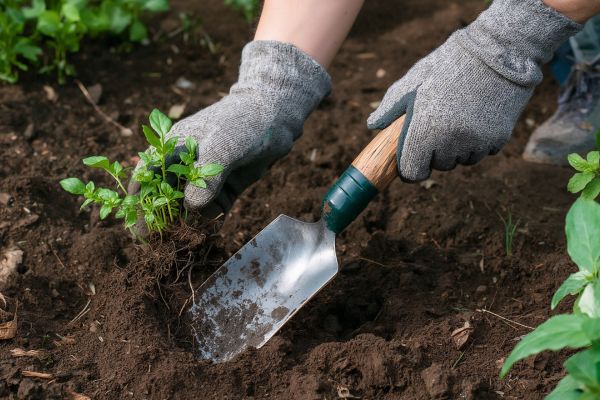
Gardening has always been a hands-on pursuit. Whether you’re digging into spring soil, pruning unruly rose bushes, or hauling compost in the heat of late summer, your hands do the real work. And by 2026, gardeners have become far more selective about what protects them. The conversation isn’t just about durability anymore. It’s about comfort, breathability, dexterity, sustainability—and yes, style too.
If you’ve been searching for the Best Garden Gloves 2026 has to offer, you’ve likely noticed how much the category has evolved. Gloves are no longer an afterthought tossed in the shed. They’re tools in their own right, designed to match the type of gardening you actually do.
Let’s dig into what makes this year’s gloves stand out, and how to choose a pair that truly earns its place in your gardening routine.
Why Garden Gloves Matter More Than Ever
It’s easy to underestimate the role of gloves until you’ve spent an afternoon pulling brambles with bare hands. Cuts, blisters, splinters, and soil-borne irritants can quickly turn a relaxing hobby into a sore reminder of what you forgot to wear.
But protection isn’t the only reason gloves have become essential. Comfort has taken center stage. In 2026, gardeners are looking for gloves that feel like a second skin—flexible enough to transplant seedlings yet tough enough to handle thorny stems and rough tools.
The modern gardener often moves between tasks: weeding, potting, pruning, edging. One pair of gloves needs to keep up without constant removal and readjustment. That’s where new materials and better design come into play.
The Shift Toward Smarter Materials
One of the biggest developments behind the Best Garden Gloves 2026 trend is material innovation. Traditional thick leather gloves still have their place, especially for heavy-duty work. But they’re no longer the default.
Synthetic blends with breathable mesh panels are now common. Nitrile-coated palms offer impressive grip while remaining thin enough to maintain finger sensitivity. Bamboo-based fabrics are increasingly popular for their softness and natural moisture-wicking properties.
Some gloves even incorporate recycled plastics or plant-based fibers, reflecting a broader shift toward sustainable gardening practices. It’s a subtle but meaningful change. After all, protecting your hands shouldn’t come at the expense of the environment you’re tending.
The result is a new generation of gloves that feel lighter, cooler, and more responsive—without sacrificing durability.
Comfort That Lasts Beyond the First Hour
Comfort used to mean “not too stiff.” In 2026, it means something much more nuanced.
Ergonomic shaping has improved dramatically. Instead of flat-cut patterns that bunch at the knuckles, many gloves are now pre-curved to follow the natural position of your hand. This reduces strain and fatigue during longer sessions in the garden.
Padding has also become more strategic. Rather than thick, bulky cushioning everywhere, manufacturers are placing reinforcement only where it’s needed—along the palm, between thumb and forefinger, or at pressure points from tool handles.
And breathability? That’s no longer optional. Ventilated backs, moisture-wicking linings, and stretch panels help prevent that clammy, overheated feeling that used to send gloves flying halfway through a task.
When evaluating the Best Garden Gloves 2026 offers, pay attention to how they feel after 20 minutes—not just when you first slip them on.
Protection Without Sacrificing Dexterity
There’s a delicate balance between protection and precision. Too thick, and you can’t feel what you’re doing. Too thin, and every thorn becomes a problem.
This year’s best gloves strike that balance beautifully. Many use reinforced fingertips that resist punctures while keeping the rest of the glove flexible. Some feature textured coatings that improve grip on wet tools or slick ceramic pots.
For rose gardeners or anyone working with thorny shrubs, extended cuffs have become increasingly common. These longer gauntlet-style gloves shield wrists and lower arms without feeling overly rigid.
At the same time, seed planters and herb growers often prefer ultra-light gloves that allow near-bare-hand sensitivity. The beauty of 2026’s options is that you no longer have to compromise entirely in one direction.
The “best” glove is no longer a universal label—it’s specific to the job at hand.
Seasonal Versatility and Weather Awareness
Gardening doesn’t happen in one temperature range. Early spring can be cold and damp; midsummer can feel relentless.
The Best Garden Gloves 2026 lineup reflects this seasonal awareness. Lightweight summer gloves focus on airflow and sweat control. Cooler-weather gloves add soft thermal linings without becoming bulky. Water-resistant coatings help during rainy planting days.
Some gloves even include subtle touchscreen compatibility. It sounds minor, but being able to check a gardening app or respond to a message without stripping off muddy gloves has become surprisingly convenient.
The small details matter. They reflect how gardening intersects with modern life.
Fit: The Quiet Game-Changer
You can have the most advanced materials in the world, but if the fit is off, the glove won’t work.
Proper fit has become a central focus this year. Expanded sizing ranges—including options tailored specifically for smaller or larger hands—are more common. Adjustable wrist closures help keep dirt out while preventing the glove from slipping during heavy work.
A well-fitting glove reduces blisters and improves grip. It allows you to work longer and more confidently. It might sound obvious, yet many gardeners still settle for “close enough.”
When considering the Best Garden Gloves 2026 brings to the market, sizing and fit deserve as much attention as durability ratings.
Durability That Matches Real-World Use
Not all gloves need to survive hauling stone or chopping woody stems. But they should withstand repeated washing and consistent use.
The difference in 2026 is smarter reinforcement rather than simply thicker material. Double stitching at stress points, abrasion-resistant palm patches, and improved seam construction all contribute to longer lifespan.
At the same time, gardeners are more realistic about usage. A lightweight glove for delicate tasks isn’t expected to last through heavy landscaping. Instead, many enthusiasts now keep two or three types on hand, rotating depending on the job.
This layered approach makes more sense—and ultimately extends the life of each pair.
Sustainability and Conscious Design
Sustainability isn’t a trend; it’s a shift in mindset. Gardeners are increasingly aware of the environmental footprint of their tools and accessories.
Gloves made with recycled materials, biodegradable components, or low-impact dyes are gaining traction. Packaging has become simpler and more minimal. Even manufacturing transparency is something buyers are beginning to notice.
While performance still leads the conversation, ethical production practices are part of what defines the Best Garden Gloves 2026 conversation. It’s no longer just about how gloves treat your hands, but how they treat the planet.
Style Finds Its Place in the Garden
Function always comes first, but there’s no denying that style has crept into the equation.
Patterns, color options, and thoughtfully designed trims make gloves feel personal. They no longer resemble generic hardware-store accessories. For many gardeners, the look of their tools is part of the joy of tending a space they’ve cultivated.
A well-designed glove can feel like an extension of your gardening identity—practical, yes, but also expressive.
It’s a small detail, yet it adds a sense of intention to the experience.
Choosing the Right Pair for Your Garden
So how do you narrow it down?
Start by thinking about your most common tasks. Are you primarily weeding raised beds? Pruning roses? Managing a vegetable patch? Moving heavy pots?
Consider climate, hand sensitivity, and how long you typically work in one session. If your hands sweat easily, prioritize breathability. If you struggle with wrist scratches, look for extended cuffs. If you value sustainability, explore eco-conscious materials.
The Best Garden Gloves 2026 aren’t defined by one brand or model. They’re defined by alignment—between glove design and your real-life gardening habits.
The right pair should disappear on your hands, letting you focus on soil, growth, and the quiet satisfaction of tending something living.
A Final Word on Comfort and Protection
Gardening is deeply tactile. It’s about texture, temperature, and touch. Gloves should enhance that connection, not block it.
In 2026, we’ve reached a point where comfort and protection no longer compete. Modern materials, thoughtful design, and a broader understanding of gardeners’ needs have elevated gloves from simple accessories to essential tools.
Finding the Best Garden Gloves 2026 has to offer isn’t about chasing trends. It’s about choosing something that supports your rhythm in the garden—protecting your hands while preserving the pleasure of working the soil.
After all, the best gardening days are the ones when you forget about your gloves entirely—until you take them off and realize your hands are still clean, uncut, and ready for tomorrow’s work.