
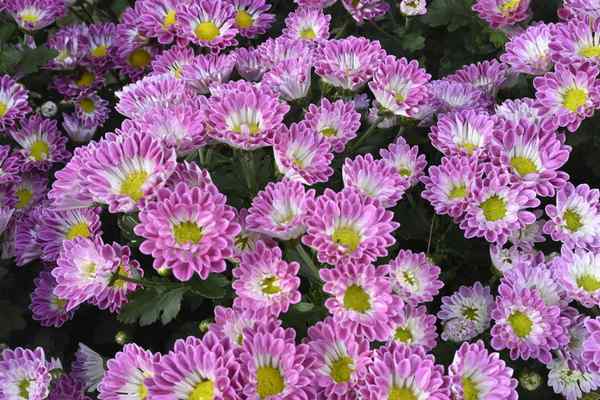
A flower can look spectacular in the border yet disappoint in a vase. Its stem may bend, petals may drop quickly, or the plant may take weeks to bloom again. The best flowers for cut flower gardens earn their space twice: they look beautiful outdoors and provide dependable stems for arrangements indoors.
Think beyond colour when planning a cutting patch. Stem length, branching habit, harvest stage and the speed of new blooms matter just as much as appearance. A few well-chosen varieties can supply bouquets without leaving the garden looking stripped.
What Makes a Flower Good for Cutting?
Ask three questions: Will the stem sit comfortably above a vase rim? Will the flower hold its shape after picking? Will the plant produce more stems? Tall cutting cultivars usually offer more usable length than compact bedding types, even within the same species.
Combine bold focal blooms, upright spikes and light fillers. Check seed packets for mature height and flowering season, remembering that actual performance depends on climate, sunlight and watering.
Best Cutting Garden Flowers for Strong Stems and Repeat Blooms
Zinnias: Bright Blooms That Keep Coming
Tall zinnias are excellent repeat bloom cut flowers in warm, sunny gardens. Their upright flowers offer countless colours, and regular cutting encourages more buds. Choose cutting varieties instead of dwarf edging types.
Pick when flower heads are mature and the stems just below them feel firm, not floppy. Plant after frost danger passes, allow air to circulate and avoid routinely soaking foliage.
Cosmos: Light, Airy Bouquet Fillers
Cosmos lends arrangements an informal, meadow-like feel. Tall plants send out delicate flowers on branching stems; cutting and deadheading help them continue blooming. They make excellent companions to heavier flowers for bouquets.
Harvest as flowers begin opening. Avoid excessive nitrogen fertiliser, which can favour leafy growth over blooms, and support tall varieties in windy sites.
Snapdragons: Upright Spires
Snapdragons provide the vertical shape missing from many mixed bouquets. Tall cutting strains produce useful long stem garden flowers, especially in cooler growing conditions. Dwarf bedding selections lack the same reach.
Cut when lower florets open while upper buds remain closed. Support tall stems early to prevent bending. Plants may send up smaller secondary spikes after their main harvest.
Dahlias: Dramatic Focal Flowers
Dahlias bring generous colour from summer into autumn, and productive varieties continue flowering with regular harvesting and deadheading until frost. Stake taller plants before heavy blooms develop.
Choose small or medium blooms for manageable arrangements. Unlike some flowers harvested in bud, dahlias need to be nearly or fully open when cut; tight buds generally fail to open properly in a vase.
Sweet Peas: Fragrance for Smaller Vases
Sweet peas offer a fragrance few cutting flowers can match. Give them a trellis, harvest often and remove seed pods to prolong flowering. They prefer suitable cool-season conditions and may slow in intense heat.
Their delicate stems are typically shorter than those of snapdragons or tall zinnias. Place them in small arrangements or near the front of larger bouquets.
Celosia, Yarrow and Sunflowers: Texture and Variety
Celosia adds velvety plumes or crested shapes, while perennial yarrow supplies flatter clusters and may rebloom after cutting. Both offer contrast to rounded zinnias and dahlias.
For sunflowers, choose carefully: branching cultivars can provide several flowers, but many single-stem types produce only one harvest. Sow single-stem varieties in successive small batches for a continuing supply.
Design a Cutting Bed You Can Actually Harvest
Most summer cutting flowers thrive in generous sunlight and fertile, well-drained soil. Use narrow beds or accessible rows so you can reach stems without stepping on neighbours. Leave room for mature plants; overcrowding causes tangled growth and makes harvesting harder.
Picture a 4-by-8-foot raised bed with tall zinnias as the main crop and a smaller section of celosia for texture. Grow climbing sweet peas on a nearby trellis instead of cramming everything together. This gives a small garden three distinct ingredients for arranging.
Follow each cultivar’s spacing instructions. Install stakes or horizontal support netting early, particularly for snapdragons, dahlias and tall cosmos. A simple guide to starting annual flowers from seed can help you match sowing dates to your climate and last expected frost.
Keep Plants Productive After the First Harvest
Pinching the growing tip of young, established zinnias and certain other branching annuals encourages side shoots. You may wait longer for the first flowers, but often gain more cutting stems later. Do not automatically pinch single-stem sunflower varieties.
Cut back to a suitable leaf pair or branching point, not just below the flower head, so new shoots have space to develop. Deadhead spent blooms before they set seed on plants grown mainly for cutting.
Water deeply when soil becomes dry, especially during hot spells. Moisture stress may reduce stem length. Compost and moderate feeding support growth, but excessive fertiliser cannot replace good light and spacing. Adapt your flower bed watering schedule to local rainfall rather than watering by the calendar alone.
Pick at the Right Time for Longer Vase Life
Harvest during the cool morning when plants are well hydrated. Bring a clean water-filled bucket, use sharp snips and move cut stems out of direct sun immediately. Strip away leaves that would be submerged in the vase.
Harvest stage matters. Snapdragons can be picked with lower flowers open, dahlias should be well open, and zinnias need mature, sturdy stems. Cutting every species in a tight bud is a common mistake.
Indoors, use a clean vase and fresh water. Recut stems when appropriate, change cloudy water and remove fading flowers. Keep arrangements away from strong heat. Learning how to keep cut flowers fresh helps make the most of every harvest.
Frequently Asked Questions
Which flowers are easiest for beginner cutting gardens?
Tall zinnias and cosmos are good starting points in warm, sunny climates. Snapdragons suit cooler flowering periods, while sweet peas work well where temperatures and climbing support are suitable.
Which cut flowers bloom again after picking?
Zinnias, cosmos, sweet peas and many dahlias generally keep producing when regularly harvested or deadheaded. The results depend on variety, plant health and the length of the growing season.
How do I get longer, straighter flower stems?
Choose tall cultivars, provide adequate sunlight, allow proper spacing, maintain steady moisture and install support before stems start leaning.
Should I harvest flowers every day?
Check plants frequently during peak flowering, but cut individual stems only when ready. Remove old flowers regularly without sacrificing immature blooms merely to follow a daily schedule.
Grow for the Bouquet and the Garden
A productive cutting garden is not about collecting every beautiful variety. Start with reliable tall growers, include contrasting shapes, support plants before they flop and learn each flower’s ideal harvest stage. With regular picking and sensible care, a modest bed can keep both the garden and your vases colourful throughout much of the flowering season.