
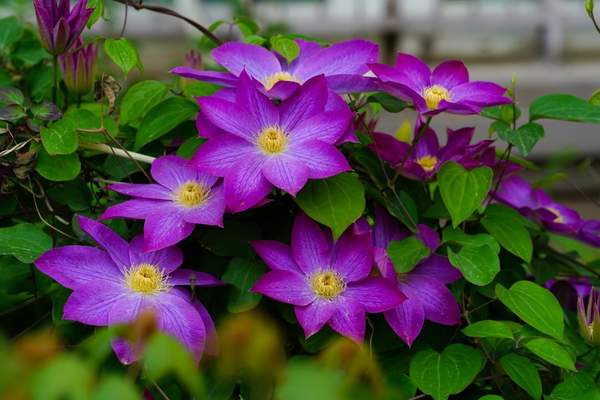
A perennial border is easier to enjoy when its color does not vanish after a two-week burst. Long blooming perennial flowers help solve that problem by staying in flower for an extended stretch, producing repeat flushes after trimming, or handing off the display from one cultivar to the next. The result is a garden that needs less seasonal replanting while still looking lively from late spring through fall.
The key is to be realistic about what “long blooming” means. Few perennials flower nonstop for an entire growing season in every climate. Heat, rainfall, day length, soil, and cultivar all affect bloom time. A better strategy is to combine naturally long flowering perennials with plants that rebloom after deadheading and others that peak later in the season.
What Makes a Perennial Bloom for Longer?
Extended bloom perennials usually keep producing buds for weeks, rebloom after trimming, or carry so many buds that color continues even though individual flowers are short-lived. Site conditions matter too. Many heavy-flowering perennials prefer generous sun and good drainage, so match the plant to the site before relying on pruning or feeding to improve bloom.
Reliable Long-Blooming Perennials to Consider
Coreopsis
Coreopsis is a strong choice for sunny beds, with yellow, gold, or bicolored flowers through much of summer. Many cultivars bloom for weeks, and removing faded flowers can encourage further flowering. Give it well-drained soil and avoid excessive feeding.
Catmint
Catmint produces soft mounds of aromatic foliage topped with blue-violet flowers. Many types respond well to a light shearing after the first flush, often producing fresh foliage and more flowers. It works especially well along paths and at the front of sunny borders.
Perennial Salvia
Perennial salvias form upright flower spikes that add structure as well as color. Many bloom in late spring or early summer and can flower again when spent spikes are cut back. They prefer sun and soil that does not stay waterlogged.
Blanket Flower
Blanket flower, or Gaillardia, brings warm red, orange, and yellow tones to sunny, well-drained beds. It handles heat well once established, and removing old blooms can keep the plant tidy while supporting continued flowering.
Coneflower
Coneflowers bring daisy-like flowers to the garden from summer into the later part of the season, depending on the cultivar and climate. They are reliable perennial flowers for mixed borders and are also valuable to pollinators. You can deadhead some stems to prolong a neat floral display while leaving others later in the year for attractive seed heads.
Yarrow
Yarrow produces broad, flat flower clusters in many colors. It thrives in full sun and well-drained soil. Cutting back faded stems can improve appearance and may bring additional bloom. Check mature width before placing vigorous varieties in a tight border.
Pincushion Flower
Scabiosa, commonly called pincushion flower, can flower over a long season when conditions suit it. Its delicate blooms work well near the front or middle of a bed, and frequent deadheading helps keep new buds coming. It is a useful choice when you want perennial flowers that bloom all summer without relying only on large, coarse-textured plants.
Hardy Geranium
Hardy geraniums are different from the tender geraniums often grown in containers. Long-flowering cultivars can produce blue, purple, or pink flowers for an extended period, while their spreading mounds make useful fillers between taller perennials.
Daylily
Each daylily flower lasts only a day, but a mature plant can carry many buds that open in sequence. Early, midseason, late, and repeat-blooming cultivars let you stretch the display considerably. Daylilies flower best with generous sun, and choosing several bloom periods is more dependable than expecting one cultivar to carry the whole summer.
Design a Border for Months of Color, Not One Peak Week
The most effective garden does not depend on a single “all-summer” plant. Instead, layer several dependable performers so their strongest periods overlap. For a sunny border, you might place catmint or hardy geranium toward the front, coreopsis and salvia through the middle, and coneflower or taller yarrow behind them. Follow the mature spacing on plant labels rather than crowding young plants for instant fullness.
For a practical example, imagine a bed that looks great in June but becomes mostly green by late July. Rather than replacing everything, keep the best early bloomer and add two repeat performers plus one later-flowering perennial. That small change creates three overlapping waves of color and reduces the need to fill gaps with annuals every year. A perennial garden spacing guide is a useful internal reference when planning this kind of layered planting.
Simple Care That Helps Flowers Keep Coming
Deadheading is useful for extending display, but it is not universal. Coreopsis, salvia, pincushion flower, and some yarrows often respond well when faded flowers are removed. A how to deadhead flowers guide can help readers identify where to cut without removing developing buds.
Water deeply during dry periods while plants establish, then adjust irrigation to the species and soil. Mulch helps limit moisture swings and weed competition. Avoid heavy fertilizing unless it is needed, because excessive nitrogen can encourage foliage at the expense of flowers.
Finally, pay attention to cultivar names. Bloom length can differ dramatically within the same species. If pollinator value is also a goal, combine long-season choices with locally appropriate flowers for pollinators so the bed provides both color and forage.
Frequently Asked Questions
Which perennials bloom the longest?
Coreopsis, catmint, pincushion flower, selected hardy geraniums, blanket flower, and repeat-blooming salvias are commonly chosen for extended flowering. Exact performance varies by cultivar, climate, sunlight, and maintenance.
Are there perennial flowers that bloom all summer?
Some can flower through much of summer under good conditions, but very few bloom continuously everywhere. The most reliable approach is to combine several long bloomers and stagger their peak seasons so the garden always has something in flower.
Does deadheading make every perennial rebloom?
No. Deadheading can extend or repeat bloom on certain plants, but others will not produce a major second flush. Even when rebloom is limited, removing spent flowers can improve the plant’s appearance.
How much sun do long-blooming perennials need?
Many of the strongest summer bloomers prefer full sun, often around six or more hours of direct light. Some hardy geraniums and other selections tolerate partial shade, so match each plant to its specific light requirements.
Build a Garden That Keeps Working
Long blooming perennial flowers are most useful when they are treated as part of a season-long plan rather than as miracle plants expected to flower forever. Choose cultivars suited to your light, soil, and climate, mix early and late performers, and use simple pruning where it genuinely encourages more blooms. With that approach, a perennial bed can deliver months of changing color while demanding far less replanting from year to year.