
A shady garden bed does not have to settle for foliage alone. The key is choosing plants that can flower with limited direct sun rather than expecting sun-loving annuals to adapt. Most shade-loving annuals still perform best with bright, filtered light, a few hours of gentle morning sun, or consistent dappled shade. In very dark corners beneath dense evergreens or deep roof overhangs, even shade-tolerant flowers may produce fewer blooms.
Start by Reading the Light in Your Garden
Before buying plants, watch the bed for a full day. Partial shade commonly means several hours of sun with shade for the rest of the day, while full shade usually means little or no direct sun but still some ambient light. Morning sun with afternoon shade is especially forgiving because plants get light without taking the hottest part of the day.
Also notice why the site is shady. A north-facing wall may stay cool and evenly moist, while a bed beneath mature trees can be surprisingly dry because roots compete for water. That difference matters just as much as light when choosing flowers for shady beds.
Reliable Annual Flowers for Shade
Impatiens
Common impatiens are classic shade plants, forming mounds of color in pink, red, coral, lavender, orange, and white. They work well along paths, at the front of beds, and in containers. Keep the soil evenly moist but not waterlogged. Where impatiens downy mildew has been a problem, look for modern disease-resistant series rather than older susceptible varieties.
Wax Begonias
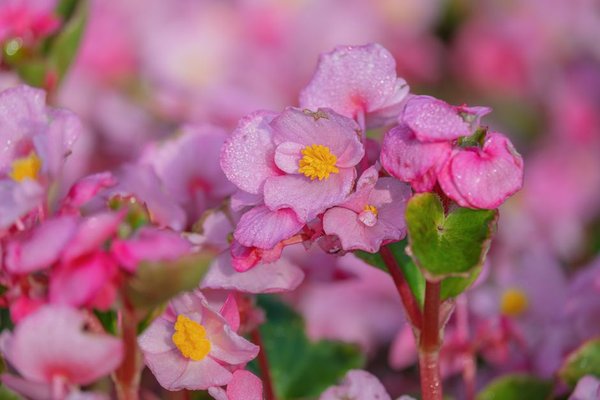
Wax begonias combine flowers with glossy green or bronze foliage, so the bed still looks finished between bloom flushes. They tolerate partial shade well and make tidy edging plants. Begonias prefer good drainage; constantly saturated soil can cause more trouble than a short dry spell.
Tuberous Begonias
For bigger flowers, tuberous begonias are a strong option for bright shade. Their blooms come in white, yellow, orange, salmon, pink, and red. They are especially effective in porch containers, hanging baskets, and sheltered beds away from harsh afternoon sun. In cold-winter regions they are commonly grown as annuals, although the tubers can be stored indoors.
Torenia
Torenia, often called wishbone flower, is one of the most useful low light flowers for summer containers and bed edges. It produces small, snapdragon-like blooms and generally handles warm weather better than cool-season shade plants. Trailing forms are particularly good for window boxes and mixed pots.
Lobelia
Lobelia brings fine texture and blue, violet, white, or pink flowers to shady plantings. It is best in cooler conditions and may slow down during intense summer heat. Use it in spring and early summer containers, as edging, or where afternoon shade keeps temperatures moderate. Consistent moisture can help extend its display.
Browallia
Browallia is less common in garden centers, but its blue-violet or white flowers make it useful in shade. Its rounded habit fits neatly into containers and smaller beds, and it can flower where many standard bedding plants become sparse. It prefers evenly moist, well-drained soil and protection from strong midday sun.
Pansies and Violas for Cool Seasons
Pansies and violas are excellent annuals for partial shade when temperatures are cool. In many regions they shine in spring and fall rather than midsummer. Their flowers work especially well near entryways, patios, and paths. When sustained heat arrives, replace them with warm-season shade performers such as impatiens, begonias, or torenia.
Build a Shade Bed That Keeps Blooming
A practical approach is to combine plants by height and season instead of filling the whole bed with one species. In a bed receiving two hours of morning sun and bright shade afterward, place wax begonias along the front, mound impatiens through the middle, and add torenia near the edge where it can trail. Tuck lobelia between them for early color, then remove it if summer heat causes it to fade.
Spacing matters in shade because leaves stay wet longer after rain or irrigation. Give plants enough room for air movement and water at soil level when possible. A two-inch layer of mulch can reduce moisture swings, but keep it away from stems to avoid a constantly damp crown.
Feed lightly rather than aggressively. Excess nitrogen can create lush leaves at the expense of flowers. For containers, use a balanced fertilizer according to the label; for garden beds, improve poor soil with compost and avoid repeated feeding if plants are already growing vigorously.
Moisture, Containers, and Dry Shade
Shade reduces evaporation, but the soil may still dry quickly under established trees because feeder roots pull moisture from the surface. Check the soil before watering instead of following a fixed schedule. If the top inch feels dry, water deeply enough to moisten the root zone.
Containers are often easier to manage in difficult shade because you control the soil and drainage. Use a quality potting mix and a container with drainage holes. A combination of tuberous begonia, torenia, and a compact foliage plant can brighten a covered porch or shaded patio without all-day sun.
Natural internal topics to explore next include shade garden design ideas, container gardening for small spaces, and how to improve garden soil.
Common Mistakes to Avoid
Do not confuse shade tolerant with darkness tolerant. Flowering annuals still need usable light for steady bloom. Avoid planting sun-demanding species such as zinnias or most marigolds in deep shade and expecting the same performance they give in open beds. Also resist overwatering simply because a location looks cool; poor drainage can damage roots.
Frequently Asked Questions
What annual flowers bloom best in full shade?
Common impatiens, begonias, torenia, browallia, and some lobelias are among the better choices for bright full shade. Flowering will usually improve if the site receives filtered light or a little morning sun rather than dense, all-day darkness.
Which shade annuals are best for containers?
Tuberous begonias, impatiens, torenia, lobelia, and browallia adapt well to containers. Match the pot size to the mature plant, provide drainage holes, and check moisture more often than you would in an in-ground bed.
Can annual flowers grow under trees?
Yes, but root competition can make tree shade dry. Choose shade-tolerant plants, avoid damaging major roots when planting, and monitor moisture carefully. Containers beneath the canopy can be a good alternative where digging is difficult.
Do shade-loving annuals need fertilizer?
They can benefit from moderate feeding, especially in containers, but more fertilizer does not automatically mean more blooms. Follow label rates and avoid excessive nitrogen, which can encourage leafy growth.
Bring Color Into the Shady Parts of the Garden
The most successful shade planting starts with realistic expectations about light and moisture. Choose annual flowers for shade that match the actual conditions, then give them good drainage, sensible spacing, and steady care. With impatiens, begonias, torenia, lobelia, browallia, and cool-season violas in the mix, low-light beds can carry color through much of the growing season instead of becoming forgotten corners.