
A sunny flower bed can look glorious in June and exhausted by August. The difference often comes down to plant choice, not constant fussing. The best annual flowers for full sun are suited to long days of direct light, warm soil, and repeated blooming. Mix heat-loving plants with different heights and flower forms, and you can keep color moving through the bed instead of depending on one short flush.
For most warm-season annuals, full sun means at least six hours of direct sunlight each day. Some, including zinnias and marigolds, often perform even better with longer exposure when the soil drains well and plants receive enough water while establishing. The goal is to choose flowers that genuinely enjoy heat rather than merely tolerate it.
Reliable annual flowers for hot, sunny beds
Zinnias
Zinnias grow quickly, bloom heavily, and come in a wide range of heights and colors. They prefer full sun and well-drained soil, and many varieties keep flowering until frost. Taller types work well toward the back of a border, while compact series can fill the front or middle. Give plants enough room for air circulation and water at soil level when possible, since crowding and wet foliage can encourage powdery mildew.
Marigolds
Marigolds bring dependable yellow, gold, orange, copper, and red tones to sunny beds. French marigolds stay relatively compact, while African marigolds can create taller blocks of color. They thrive in full sun and cope well with summer heat once established. Removing faded flowers can help keep plants tidy and blooming.
Annual vinca
Annual vinca is especially useful where summer heat becomes intense. It prefers warm soil, full sun, and good drainage, and it can flower through conditions that make less heat-tolerant annuals struggle. Its rounded habit and steady flowers make it useful along paths or in broad drifts. Avoid planting it into cold, wet spring soil, which can encourage root and stem diseases.
Lantana
Lantana is a perennial in warm climates but is widely grown as an annual where winters are cold. It thrives in hot weather, flowers over a long season, and attracts butterflies. Mounding and trailing forms work in beds and containers. Once established, lantana handles dry spells well, but new plants still need regular moisture while roots spread.
Cosmos
Cosmos gives a border a looser, more natural look. Its daisy-like flowers rise above fine foliage and suit cottage-style or pollinator-friendly plantings. These sun loving annuals cope well with warm, relatively dry conditions once established. Avoid overfeeding, because very rich soil can produce extra foliage with fewer flowers.
Globe amaranth
Globe amaranth produces rounded, clover-like flower heads in purple, pink, white, red, and related shades. The blooms hold their color well and can also be cut for drying. It is one of the more dependable heat tolerant annual flowers for hot, bright positions and usually needs less grooming than plants that rely on constant deadheading.
Moss rose
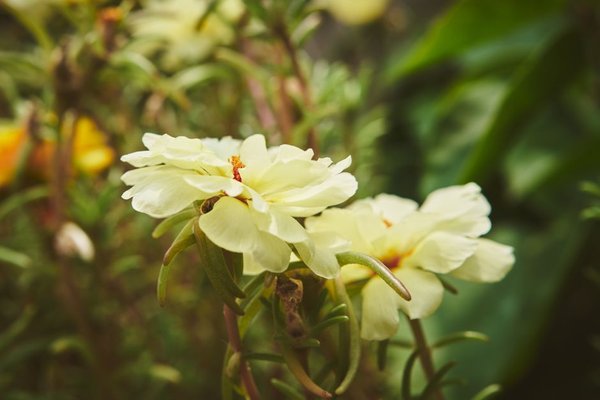
Moss rose, or portulaca, is ideal for hot, dry edges where other annuals may wilt. Its succulent foliage stores moisture, and its low, spreading habit works along walkways, rock gardens, and sunny slopes. Flowers come in bright shades including pink, orange, yellow, red, and white. Give it sharply drained soil because consistently wet ground is a bigger problem than summer heat.
Celosia and angelonia
For stronger vertical texture, celosia and angelonia are useful additions. Celosia offers feathery plumes or crested flower heads, while angelonia produces upright spikes. Both are widely used as summer annual flowers in hot conditions and pair well with rounded plants such as vinca and marigolds.
Build a bed that stays colorful
The easiest way to get lasting color is to combine plants with different growth habits. In a sunny 8-by-4-foot border, place taller zinnias or angelonia toward the back, mid-height vinca or marigolds through the center, and moss rose along the front edge. Add several globe amaranth plants between the groups for rounded flower texture. The result is a layered bed with color at several heights instead of one flat band.
This mix also gives you insurance. If one plant slows during an unusually wet or dry spell, the rest of the planting can still carry the display. Related guides on flower bed color combinations, summer container flowers, and drought-tolerant garden plants are natural next steps when planning sunny spaces.
Care tips for summer-long performance
Even colorful annuals that love heat need help during establishment. Water newly planted flowers deeply enough to moisten the root zone, then use soil moisture rather than a rigid daily schedule to decide when to water again. Once established, drought-tolerant choices such as lantana, globe amaranth, vinca, and moss rose can usually handle short dry periods better than new transplants.
Spacing matters too. Crowding traps humidity around foliage and can increase disease problems, especially on zinnias. Follow the mature width on the plant label rather than the size of the transplant at purchase. A small spring plant may become much wider by midsummer.
Fertilizer should support growth, not force it. Excess nitrogen can create lush foliage at the expense of flowers. In average garden soil, a modest feeding at planting followed by additional fertilizer only when needed is usually more useful than a heavy weekly routine. Deadhead varieties that respond to it and trim plants when they begin to cover their neighbors.
FAQ
What annual flowers bloom longest in full sun?
Zinnias, marigolds, annual vinca, lantana, globe amaranth, and angelonia can all provide color for much of the warm season when planted in suitable conditions. Exact bloom duration depends on climate, planting time, variety, watering, and frost dates.
Which annuals handle the most heat?
Annual vinca, lantana, moss rose, globe amaranth, zinnias, and celosia are strong choices for hot locations. Good drainage still matters because heat-tolerant plants can decline in waterlogged soil.
Do full-sun annuals need watering every day?
Not necessarily. New annuals may need frequent watering while roots establish, especially during hot weather, but established plants are usually better served by deeper watering based on soil moisture rather than a fixed daily schedule.
Can I grow full-sun annuals in containers?
Yes. Compact zinnias, marigolds, vinca, lantana, angelonia, and moss rose work well in containers. Pots dry faster than garden beds, so check moisture often during hot weather and make sure drainage holes remain open.
Keep the color going through summer
A sunny bed does not have to fade when temperatures rise. Start with genuinely heat-loving annuals, layer different heights and flower shapes, and give each plant enough space to mature. Zinnias and marigolds bring classic color, vinca and lantana stay reliable in heat, while globe amaranth, moss rose, celosia, and angelonia add texture and resilience. With thoughtful spacing, sensible watering, and light maintenance, a full-sun planting can stay bright until cool weather ends the season.