
A healthy garden has movement everywhere. Bees visit flowers, earthworms improve the soil, birds search for seeds, and leaves sway in the breeze. Not every insect or creature is a problem. In fact, many are helpful. The challenge for gardeners is knowing when natural activity becomes genuine damage.
Learning to identify garden pests quickly can save plants, reduce stress, and prevent unnecessary treatments. Many people react the moment they see a bug, but that often leads to misdiagnosis. A ladybird beetle may be protecting your roses, while tiny aphids quietly multiply unnoticed beneath the leaves.
Good pest control starts with observation, not panic. When you know what to look for, your garden begins to tell you exactly what is happening.
Why Correct Identification Matters
Different pests cause different problems. Chewed leaves may come from caterpillars, beetles, or slugs. Yellowing foliage might be pests, but it could also be watering issues or nutrient imbalance. Sticky residue on stems may point toward sap-sucking insects rather than disease.
If you treat the wrong issue, the real problem continues while helpful insects may be harmed in the process.
That is why experienced gardeners often pause before acting. They inspect leaves, stems, soil, and patterns of damage first.
Start With the Damage, Not the Insect
You may not always catch the pest itself. Many feed at night, hide under leaves, or disappear when disturbed. Often, the first clue is the damage left behind.
Small holes scattered across leaves can suggest flea beetles or young caterpillars. Large ragged bites may indicate slugs, snails, or chewing beetles. Leaves curled inward often point toward aphids hiding inside. Fine stippling or pale specks may be caused by spider mites.
When you identify garden pests, the plant’s symptoms are often the best detective trail.
Aphids and Their Telltale Clusters
Aphids are among the most common garden pests. These tiny soft-bodied insects gather in groups on new growth, flower buds, and the undersides of leaves. They may appear green, black, yellow, brown, or pink depending on species.
Plants attacked by aphids often show curling leaves, distorted shoots, or sticky honeydew residue. Ants are sometimes seen nearby because they are attracted to that sugary substance.
A few aphids are common. Large colonies can weaken tender plants quickly.
Slugs and Snails After Dark
If seedlings vanish overnight or leaves appear shredded with irregular holes, slugs or snails may be involved. They are especially active in damp weather and often feed after sunset.
Shiny slime trails on pots, paths, or foliage are classic signs. Young lettuce, hostas, basil, and many tender plants are frequent targets.
Sometimes gardeners blame insects when the true culprits are slow-moving nighttime feeders hiding by day.
Caterpillars on Brassicas and Ornamentals
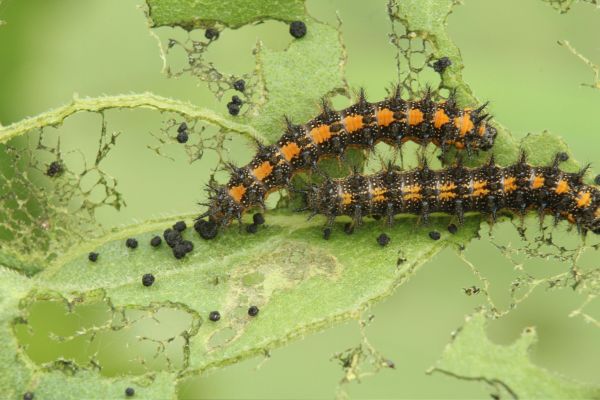
Butterflies and moths lay eggs that hatch into hungry caterpillars. While butterflies are welcome visitors, their larvae can be heavy feeders.
Look for chewed leaves, dark droppings, and visible caterpillars along stems or beneath foliage. Cabbage family plants such as kale, broccoli, and cauliflower are especially vulnerable, though many ornamentals can be affected too.
Damage often appears suddenly because small caterpillars grow fast.
Whiteflies Around Warm Weather Crops
Whiteflies resemble tiny white moths and often rise in a cloud when disturbed. They gather on leaf undersides and suck plant sap, weakening tomatoes, peppers, herbs, and greenhouse plants.
Leaves may yellow, become sticky, or decline gradually. Because adults fly away quickly, gently shaking the plant can reveal them.
When trying to identify garden pests, movement can be a useful clue as much as appearance.
Spider Mites and Fine Webbing
Spider mites are extremely small and easy to miss at first. They prefer hot, dry conditions and commonly affect beans, cucumbers, houseplants, and ornamentals.
Symptoms include pale speckling, dusty-looking leaves, and fine webbing between stems or beneath foliage. Heavy infestations can cause leaves to bronze and drop.
Many gardeners assume drought stress before realizing mites are involved.
Beetles That Chew Fast
Several beetle species damage gardens. Flea beetles create many tiny holes, making leaves look peppered with shot marks. Japanese beetles skeletonize foliage between veins. Other beetles chew edges or flowers.
Because beetles vary widely, the feeding pattern helps narrow the suspect list. Some are active during the day and easy to spot, while others hide near the soil.
Watching the plant at different times can reveal more than a quick glance ever will.
Mealybugs and Scale on Stems
Not every pest looks like a moving insect. Mealybugs appear as cottony white masses tucked into leaf joints or stems. Scale insects look like small bumps attached to branches or leaves, often mistaken for part of the plant itself.
Both feed on sap and may cause sticky residue, yellowing, and slow decline. Houseplants and sheltered outdoor plants are common hosts.
These pests remind gardeners that stillness can be deceptive.
Root Pests Hidden Below Ground
Sometimes plants wilt despite watering, fail to grow, or collapse without obvious leaf damage. The issue may lie below the soil surface.
Root maggots, grubs, nematodes, or vine weevil larvae can attack roots. A plant that lifts easily from the ground or shows damaged roots deserves closer inspection.
When you cannot find answers above ground, look beneath it.
Beneficial Insects You Should Not Mistake for Pests
Part of learning to identify garden pests is learning what not to remove. Ladybird beetles and their larvae eat aphids. Lacewing larvae are useful predators. Ground beetles help control many unwanted insects. Hoverflies pollinate flowers and their larvae may feed on pests.
Killing helpful species by mistake can worsen problems later.
A busy garden is not automatically an unhealthy one.
Best Times to Inspect Plants
Morning and evening are ideal for many inspections. Slugs and snails are easier to catch early or late. Midday may reveal beetles and flying pests. Checking the undersides of leaves weekly helps spot trouble before it spreads.
Look closely at new growth, stressed plants, crowded areas, and anything recently transplanted.
Small issues are always easier to manage early.
Keep Notes and Learn Patterns
Experienced gardeners often remember where problems happened last season. Aphids may return to roses each spring. Slugs may thrive in one damp corner. Whiteflies may revisit greenhouse tomatoes.
Simple notes help build local knowledge. Gardens have patterns, and paying attention turns experience into confidence.
Conclusion
To identify garden pests quickly, begin with patience and observation rather than immediate action. Look at the type of damage, where it appears, when it happens, and whether the insect is truly harmful. Aphids cluster, slugs leave trails, caterpillars chew boldly, mites speckle leaves, and some helpful insects quietly solve problems for you.
Gardening always involves surprises. Leaves will curl, holes will appear, and something mysterious may nibble your seedlings overnight. Yet with time, those puzzles become familiar. The garden starts speaking in clues, and you learn how to listen.